
Cuts and Projects
What Can You Make with a Miter Saw and a Drill?
Unlock your DIY potential! Discover creative projects you can build with a miter saw and a drill, from furniture to home decor.
Find miter saw buying guides, comparisons, and practical advice on blades, stands, dust collection, cutting trim, flooring, molding, and common setup questions.
Unlock your DIY potential! Discover creative projects you can build with a miter saw and a drill, from furniture to home decor.
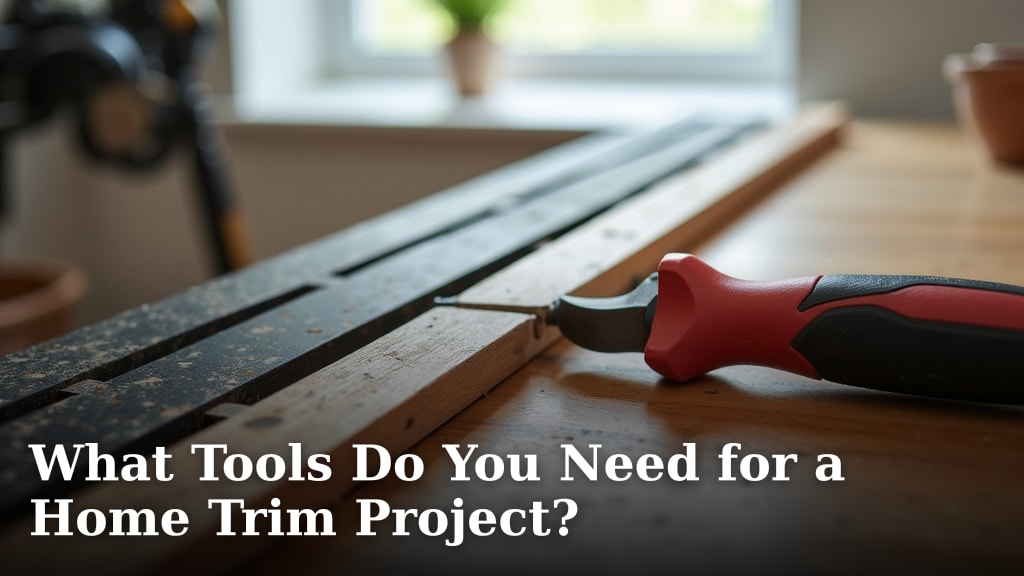
Gather the right tools for your home trim project. Learn essential items for measuring, cutting, and installing trim for a professional finish.

Discover the essential accessories professional trim carpenters rely on for precision and efficiency. Enhance your toolkit with these must-have items.

Discover the top 7 best miter saw for cutting oak trim. Our fresh, hands-on guide helps you find the perfect saw for your project.
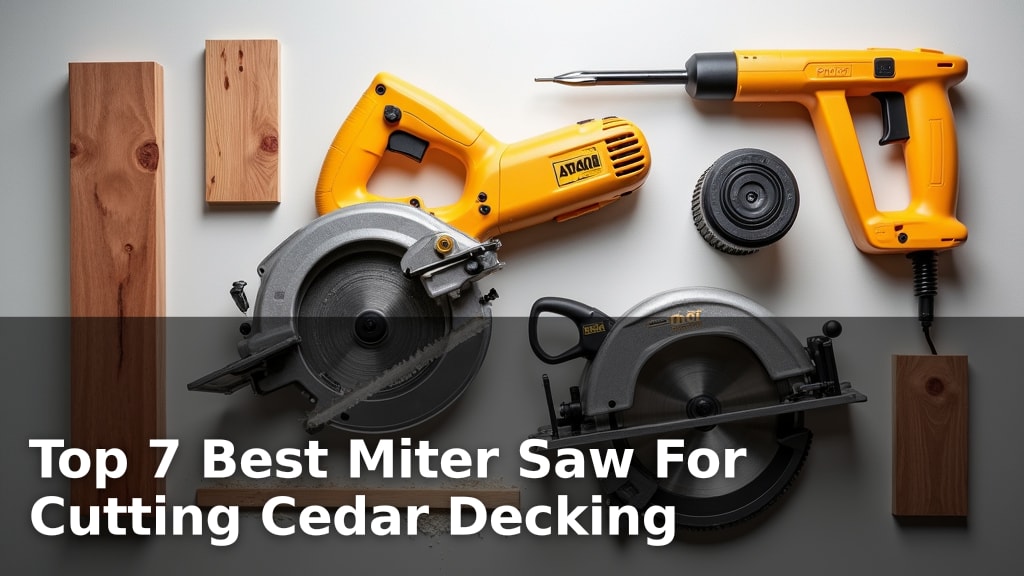
Discover the top 7 miter saws for cutting cedar decking. Our hands-on review helps you find the perfect saw for your project.

Learn if you need a stop block for repeat cuts. Discover when it's essential for accuracy and safety in your woodworking projects.

Is a dust collection system essential for your indoor woodworking? Discover the benefits and decide if it's the right fit for your workshop safety and health.
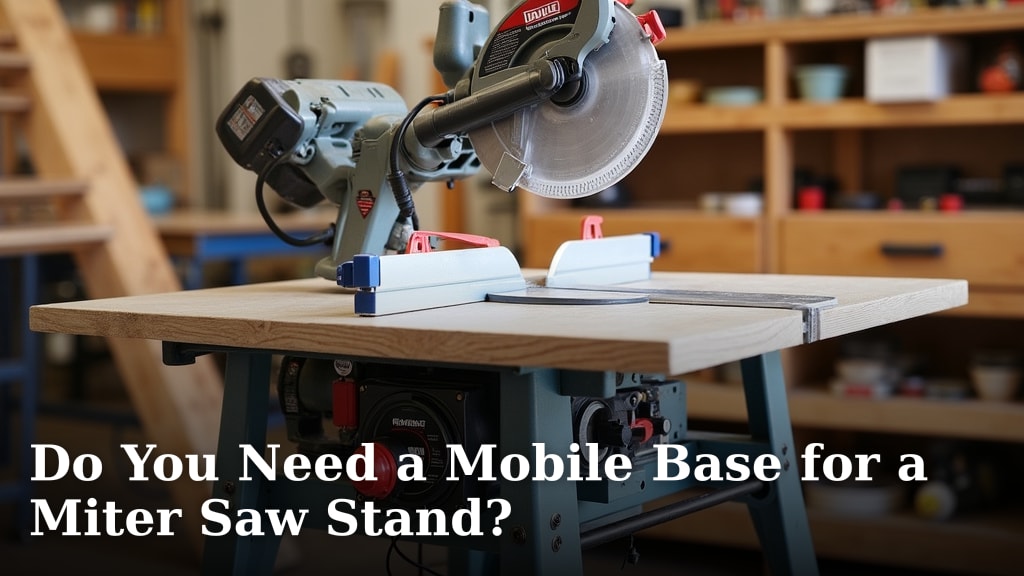
Decide if a mobile base for your miter saw stand is right for your workshop needs. Learn the pros and cons to make the best decision for your space.
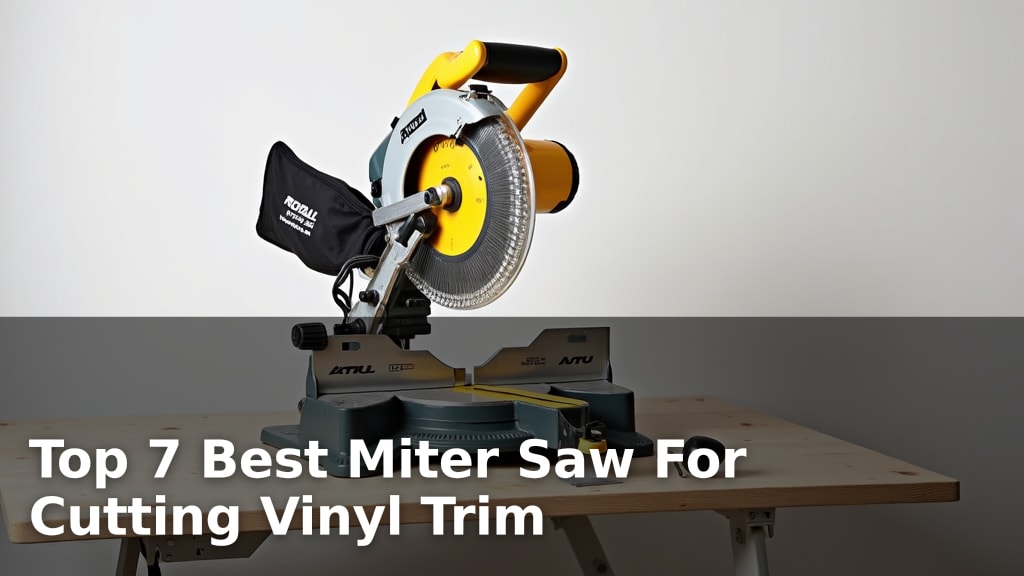
Discover the top 7 best miter saw for cutting vinyl trim. Our fresh, hands-on picks help you find the perfect saw for your project.