
How Much Does a Miter Saw Cost?
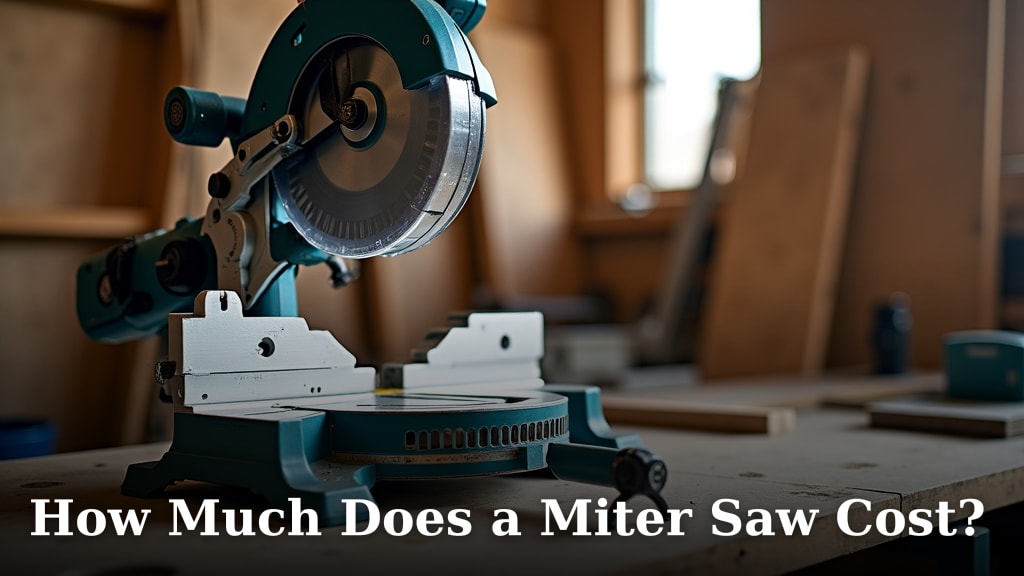
A good miter saw can cost anywhere from $150 to over $800, depending on its features and brand. Most folks find a perfectly capable saw in the $200-$400 range for home projects. The price mainly changes with power, size, and added bells and whistles.
When you’re looking for a miter saw, you’ll see a big range in prices. Factors like whether it’s a corded or cordless model, if it slides, and its blade size all play a part. Higher-end saws often offer more precision and durability for serious work.
- Miter saws generally cost between $150 and $800+.
- Average home-use saws are often $200-$400.
- Price depends on power, sliding features, and brand.
- Cordless options are usually more expensive.
Let’s break down exactly what influences the price of a miter saw and help you find the perfect one for your budget and projects.
Understanding Miter Saw Pricing
The cost of a miter saw can vary widely, from budget-friendly options to professional-grade machines. Your specific needs and desired features will largely determine what you end up paying.
Let’s really dig into what makes one miter saw more expensive than another. We’ll look at the different levels and what you get for your money.
Entry-Level Miter Saws: Under $200
If you’re just starting your DIY journey or need a saw for occasional, light-duty projects, the entry-level options are perfect. These saws are generally less powerful but still get the job done for basic tasks.
You’ll find many corded models in this price bracket. They are usually single-bevel, meaning the blade tilts only one way. This is fine for most common cuts.
- Good for basic trim work.
- Ideal for infrequent use.
- Often have smaller 7¼-inch or 10-inch blades.
- Lack advanced features like lasers or dust collection.
Think of these as your reliable starter saw. They’re often compact and lightweight, making them easy to move around your garage or workshop.
Mid-Range Miter Saws: $200 – $500
This is where most homeowners and serious DIY enthusiasts find their sweet spot. Mid-range saws offer a great balance of features, power, and price. We’ve found that this category provides the best value for a wide range of projects.
You’ll start seeing sliding miter saws in this category, which greatly increases your cutting capacity. Many models will also be dual-bevel, allowing the blade to tilt both left and right without flipping your workpiece.
What can you expect from a mid-range saw?
- More powerful motors for tougher materials.
- Larger 10-inch or 12-inch blades are common.
- Often include laser guides for better accuracy.
- Improved dust collection systems.
- Better build quality and more durable components (Consumer Reports).
These saws are perfect for deck building, framing, and more intricate woodworking. They give you the flexibility to tackle bigger and more varied tasks.
Professional-Grade Miter Saws: Over $500
When you step into this price tier, you’re looking at tools designed for daily, heavy-duty use by professionals. These saws boast the highest levels of durability, precision, and advanced features.
Expect top-tier brands and innovations. You’ll often find powerful 15-amp motors, advanced gearing, and exceptionally smooth sliding mechanisms. Precision is the name of the game here.
What sets these saws apart?
- Superior accuracy and repeatability.
- Robust construction for job site durability.
- Advanced features like digital readouts and LED work lights.
- Many cordless options with powerful battery systems.
- Often include larger capacity and specialized fences.
If your livelihood depends on your tools, investing in a professional-grade miter saw makes sense. They are built to last and perform flawlessly day after day.
Many contractors tell us the initial higher cost is offset by their longevity and consistent performance over time.
Key Factors Influencing Miter Saw Prices
Several distinct characteristics directly impact how much you’ll pay for a miter saw. Understanding these can help you decide which features are truly essential for you.
It’s not just about the brand badge; it’s about the engineering behind the tool. Let’s break down the individual components that drive up the cost.
Blade Size and Cutting Capacity
The diameter of the saw blade is a primary cost driver. Common sizes are 7¼-inch, 8½-inch, 10-inch, and 12-inch. Generally, larger blades mean higher prices.
Why? Larger blades allow for deeper and wider cuts. A 12-inch miter saw can cut much thicker stock or wider boards than a 7¼-inch model. This enhanced capability requires a larger motor and a more robust saw body, both of which add to the manufacturing cost.
If you’re only cutting small trim, a 10-inch might be plenty. For framing 2x10s or 4x4s, a 12-inch saw or a sliding model will be necessary.
Power Source: Corded vs. Cordless
This is a big one. Cordless miter saws almost always cost more than their corded counterparts. The convenience of portability comes at a premium.
Cordless saws require powerful, often proprietary, battery packs and chargers. These components add significantly to the overall price. The battery technology itself is complex and expensive to produce.
- Corded: Generally more affordable, consistent power, unlimited runtime.
- Cordless: Higher upfront cost, ultimate portability, limited runtime per charge.
We’ve found that users prioritize cordless saws for job site work or when they need to move the saw frequently without worrying about power outlets.
Sliding vs. Non-Sliding (Standard)
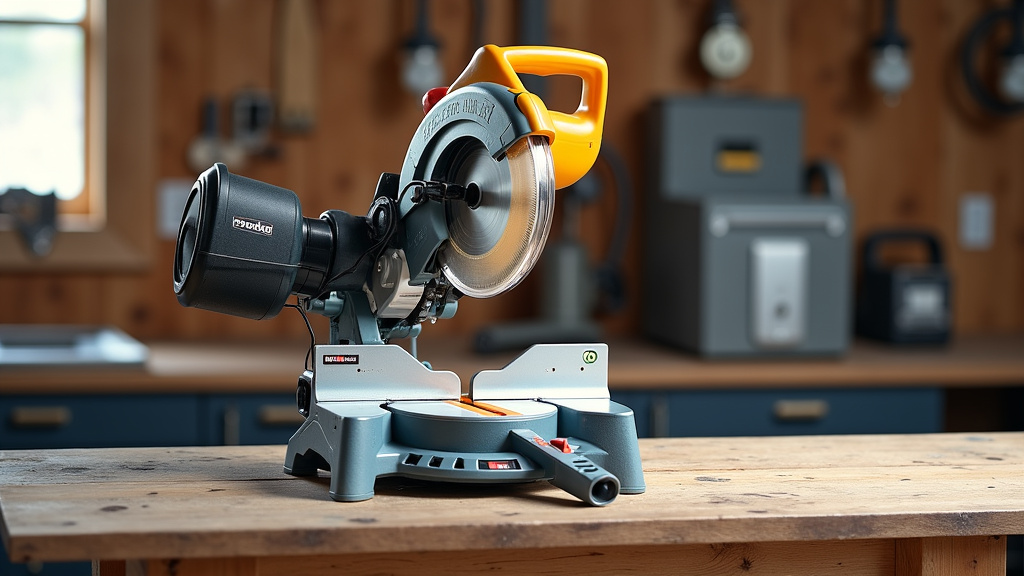
A sliding miter saw allows the blade to move forward and backward on rails, effectively increasing its cross-cutting capacity. This is an extremely popular feature for wider boards.
A standard (non-sliding) miter saw only pivots the blade up and down. While perfectly capable for many projects, its cutting width is limited by the blade’s diameter.
The extra engineering for the sliding mechanism – precision rails, bearings, and a more complex head assembly – adds to the cost. Sliding saws are always pricier than non-sliding ones of the same blade size.
Bevel Capacity: Single vs. Dual
A single-bevel miter saw tilts in only one direction (usually left). For angled cuts going the other way, you have to flip your workpiece over.
A dual-bevel miter saw can tilt both left and right. This saves time and effort, as you don’t need to reposition your material for opposite-angled cuts. This convenience and added engineering naturally increase the price.
For crown molding or complex trim work, a dual-bevel saw is a huge time-saver and often worth the extra expense. For simple picture frames, a single-bevel is fine.
Brand Reputation and Quality
Just like cars or appliances, power tools from well-known, reputable brands often come with a higher price tag. Brands like Festool, Makita, Bosch, and DeWalt have built their reputations on quality, durability, and innovation.
These brands often use higher-grade materials, more precise manufacturing processes, and offer better warranties and customer support. You’re paying for reliability and performance that has been refined over many years.
Lesser-known brands or generic models might be cheaper upfront. However, we’ve observed that they might lack precision, longevity, or robust safety features compared to established names.
Comparing Miter Saw Features and Costs
To give you a clearer picture, here’s a quick comparison of how common features stack up across different price points:
| Feature | Budget (Under $200) | Mid-Range ($200-$500) | Pro-Grade (Over $500) |
|---|---|---|---|
| Blade Size | 7¼” – 10″ | 10″ – 12″ | 12″ + |
| Type | Standard, Single-Bevel | Sliding, Dual-Bevel | Sliding, Dual-Bevel |
| Power | Corded, 9-12 Amps | Corded/Cordless, 12-15 Amps | Corded/Cordless, 15+ Amps |
| Build Quality | Basic, Functional | Good, Durable | Heavy-Duty, Precision |
| Extra Features | None | Laser, Dust Bag | LED, Digital Readout, Stand |
This table gives you a general idea. Remember, there can be overlap, especially as new models are released.
Making Your Miter Saw Purchase Decision
Choosing the right miter saw is about matching the tool to your individual needs and budget. Don’t overspend on features you won’t use, but don’t underspend if your projects demand more capabilities.
Here’s a small checklist to guide your decision-making process:
- What types of projects will you primarily use the saw for? (e.g., trim, decking, framing)
- How wide or thick are the materials you typically cut?
- Do you need portability, or will the saw stay in one place?
- How often do you plan to use the saw?
- Is precision critical for your work, or is “close enough” acceptable?
- What is your absolute maximum budget for the tool?
Think about these questions carefully. They will lead you to the right balance of features and cost. We’ve seen many people buy an expensive saw and not use its full potential, or buy a cheap one and quickly regret its limitations.
Sometimes, buying a mid-range saw with a few specific features you need is more economical than splurging on a top-tier model with many unnecessary bells and whistles. Consider your future projects too. Will your needs grow?
Conclusion
As you’ve seen, the cost of a miter saw really boils down to your specific needs. From basic trim to heavy-duty framing, there’s a saw designed for your project and budget. We’ve found that planning your typical tasks helps avoid overspending or under-buying.
Whether you land on an entry-level model or invest in a professional-grade machine, choose what genuinely fits your work. Take the information you’ve learned here, consider your projects, and confidently select the miter saw that’s right for you. Happy cutting!
Frequently Asked Questions
Is a $100 miter saw worth it?
A miter saw under $100 can be useful for very light, occasional projects like small picture frames or thin trim. However, it will likely lack power, precision, and durability for anything more demanding. We generally recommend aiming for at least the $150-$200 range for better quality.
Do more expensive miter saws cut better?
Yes, generally more expensive miter saws offer better cutting performance, precision, and durability. They often feature more powerful motors, higher quality blades, smoother sliding mechanisms, and tighter tolerances for consistently accurate cuts. Professional models are built for repeatable accuracy.
What’s the difference between a compound miter saw and a sliding miter saw?
A compound miter saw can make both miter (angle) and bevel (tilt) cuts, allowing for complex angles. A sliding miter saw adds rails that let the blade move forward and backward, greatly increasing the width of material it can cut. Most sliding saws are also compound, so they combine both features.
Why are cordless miter saws so much more expensive?
Cordless miter saws cost more primarily due to the advanced battery technology and charging systems required. Powerful lithium-ion batteries and their chargers represent a significant portion of the tool’s cost to develop and produce. The convenience of portability justifies this extra expense for many users.
When should I consider buying a used miter saw?
Buying a used miter saw can save you money, especially for brands known for durability. Inspect the saw carefully for damage, blade wobble, and motor function. Make sure all safety features work. We suggest testing it if possible and considering a reputable seller to ensure you’re getting a good deal.
