
Can You Cut Aluminum with a Miter Saw?
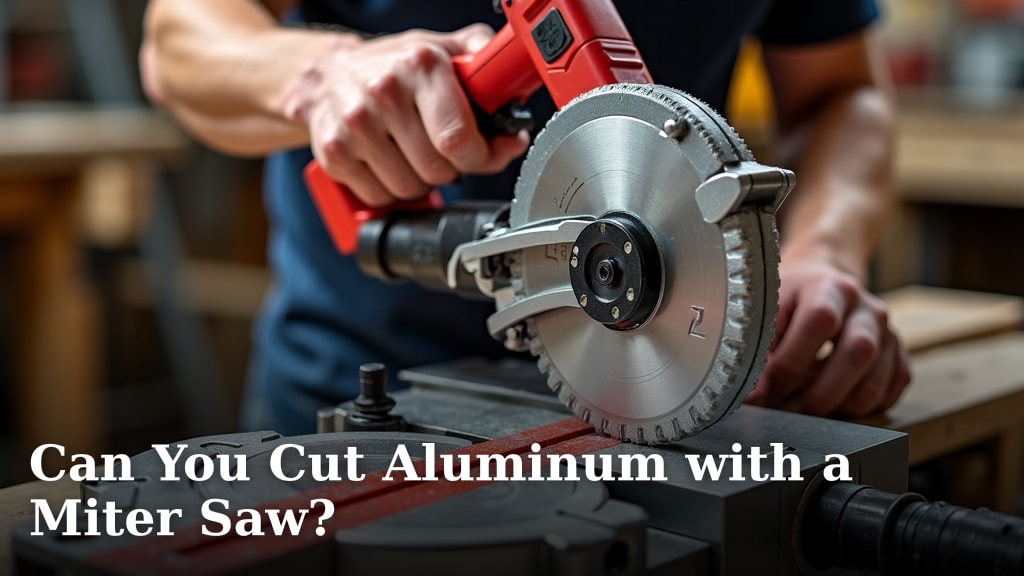
Yes, you can cut aluminum with a miter saw, but it requires the right approach and specific safety measures. You can’t just use any blade you have lying around. Using the wrong blade can be dangerous and damage your material.
Many people wonder if their standard miter saw is up to the task. We found that most miter saws can handle aluminum, provided you equip them properly. It’s all about choosing the correct blade and understanding the right techniques for a clean, safe cut.
- You can cut aluminum with a miter saw.
- Always use a carbide-tipped, non-ferrous metal cutting blade.
- Safety gear like eye protection is a must.
- Go slow and use a lubricant for best results.
- Secure your material tightly before cutting.
Ready to tackle your aluminum cutting project? Let’s walk through exactly how to safely and effectively cut aluminum with your miter saw, step by step.
Equipping Your Miter Saw for Aluminum Cuts
To safely and effectively cut aluminum with your miter saw, the right setup is essential. It’s not just about the saw; it’s mostly about the blade.
Choosing the Right Blade for Aluminum
This is arguably the most important decision you’ll make. You cannot use a standard wood-cutting blade for aluminum. It’s unsafe and will ruin your material.
Understanding Blade Specifications
When you’re looking for an aluminum-cutting blade, pay close attention to a few key terms. These ensure you get the best performance and safety.
- Carbide-Tipped: This is non-negotiable. Carbide tips are much harder than steel and can handle the abrasion of cutting metal.
- Non-Ferrous Metal Cutting: Look for blades specifically labeled for “non-ferrous metals.” Aluminum is a non-ferrous metal.
- High Tooth Count: We found that blades with 80 teeth or more for a 10-inch blade, or 100 teeth or more for a 12-inch blade, provide cleaner cuts. More teeth mean smaller bites and less chance of tearing the aluminum.
- Triple Chip Grind (TCG) or Modified Triple Chip Grind (MTCG): These tooth geometries are designed for cutting metal. They help manage heat and reduce chipping.
- Negative Hook Angle: A negative hook angle means the teeth lean backward slightly. This is safer for cutting metal on a miter saw, as it helps prevent the blade from “grabbing” the material.
Why Standard Wood Blades Won’t Work
You might be tempted to use a spare wood blade. Please don’t. Wood blades have fewer teeth and a positive hook angle. This combination can cause the blade to grab the aluminum, leading to kickback (where the material is violently thrown back at you). It’s a serious safety risk.
Essential Safety Measures for Cutting Aluminum
Your safety should always be the top priority. Cutting metal introduces different hazards than cutting wood, so be prepared.
Personal Protective Equipment (PPE)
Before you even think about plugging in your saw, gear up. This isn’t optional; it’s critical.
- Eye Protection: Always wear safety glasses or a face shield. Aluminum chips fly around at high speed and can cause serious eye injury.
- Hearing Protection: Cutting aluminum can be loud. Earplugs or earmuffs will protect your hearing.
- Gloves: Work gloves can protect your hands from sharp edges and hot metal chips. Just be sure they aren’t so bulky that they interfere with your grip or control.
- Long Sleeves and Pants: These protect your skin from flying chips and sparks. Avoid loose clothing that could get caught in the saw.
Work Area Preparation
A clean, organized, and well-lit workspace is crucial for safety and accuracy.
- Clear your work area of clutter.
- Ensure adequate lighting to see your cut line clearly.
- Position your saw on a stable surface.
- Consider a shop vacuum to collect chips as you cut, but keep it away from moving parts.
Setting Up Your Miter Saw for the Cut
Once you have the right blade and your safety gear on, it’s time to set up your saw and material.
Securing the Aluminum Material
This step is vital. Unlike wood, aluminum can be slippery, and any movement during the cut can be dangerous or lead to a bad result.
- Clamps are Your Friends: Use C-clamps or specialized material clamps to hold the aluminum firmly against the fence and the saw’s base. Do not rely on your hands alone.
- Support Long Pieces: If you’re cutting a long piece of aluminum, use outfeed supports or roller stands. This prevents the material from tipping or flexing, which can cause binding or an uneven cut.
- Minimize Vibration: A well-secured piece of aluminum vibrates less, resulting in a cleaner cut and reducing the risk of the blade grabbing.
Applying Lubricant (Cut Wax or Oil)
Lubrication is a game-changer when cutting aluminum. It makes a significant difference in cut quality and blade life.
- Reduces Heat: Cutting metal generates a lot of heat. Lubricant dissipates heat, preventing the aluminum from melting and welding itself to the blade teeth. This is often called “galling.”
- Improves Cut Quality: A lubricated blade cuts smoother and cleaner, reducing burrs and rough edges.
- Extends Blade Life: Less heat and friction mean less wear and tear on your expensive carbide blade.
You can use cutting wax, stick lubricant, or a light cutting oil. Apply it directly to the blade teeth before each cut, or periodically during longer cuts.
The Cutting Process: Step-by-Step
With everything set up, you’re ready to make the cut. Patience and a steady hand are key here.
Marking Your Cut Line Clearly
Use a fine-tip marker or a pencil to clearly mark your cut line. Double-check your measurements. “Measure twice, cut once” is a mantra for a reason.
Making the Cut Safely and Effectively
This is where technique comes into play. Don’t rush it.
- Start Slow: Engage the saw’s motor to full speed before it touches the material.
- Controlled Descent: Bring the blade down very slowly and steadily through the aluminum. Do not force it. Let the blade do the work.
- Maintain Speed: Keep the saw running at a consistent speed throughout the cut. Fluctuating speeds can lead to issues.
- Retract Slowly: Once the cut is complete, allow the blade to spin down slightly before raising it out of the material. This helps prevent burring.
Managing Chips and Burrs
After each cut, you’ll likely have some aluminum chips and burrs (sharp, rough edges). These need careful handling.
- Clean Up: Use a brush, air compressor, or shop vac to clear chips from your work area. Do not use your bare hands.
- Deburr Edges: A file or deburring tool can quickly smooth out any sharp edges left on the aluminum. This makes the material safer to handle.
Troubleshooting Common Aluminum Cutting Issues
Even with the best setup, you might run into a few snags. Here’s how to address them.
| Issue | Possible Cause | Solution |
|---|---|---|
| Excessive heat/melting | No lubricant, dull blade, forcing the cut | Apply lubricant, replace blade, slow down the feed rate |
| Rough, jagged cut | Wrong blade type, dull blade, material vibrating | Use TCG/high tooth count blade, replace blade, clamp material tighter |
| Blade jamming or kickback | Wrong hook angle, material not clamped, forcing the cut | Use negative hook angle blade, secure material firmly, reduce pressure |
| Loud noise/vibration | Dull blade, loose blade, material not supported | Replace/tighten blade, ensure full material support |
| Excessive burrs | Dull blade, wrong tooth geometry, no lubricant | Replace blade, use TCG blade, apply lubricant |
Maintenance After Cutting Aluminum
A little care after your project will keep your saw and blades in good shape for future use.
Cleaning Your Miter Saw
Aluminum chips are sticky and can get into all sorts of places. We found that thorough cleaning helps maintain saw performance.
- Unplug the saw before cleaning.
- Use a shop vacuum to remove all chips from the saw base, fence, and motor housing.
- Wipe down surfaces with a damp cloth to remove any residue.
- Check the blade guard for free movement; aluminum dust can sometimes gum it up.
Blade Care and Storage
Your specialty aluminum-cutting blade is an investment. Treat it well.
- Clean the blade after use to remove any aluminum residue. A non-abrasive cleaner designed for saw blades works well.
- Inspect the blade for damaged or dull teeth. If you see damage, it might be time for a new blade or professional sharpening.
- Store the blade in its original packaging or a protective sleeve to prevent damage to the teeth.
- Keep it dry to prevent rust, even on carbide tips.
By following these steps, you’ll find that cutting aluminum with your miter saw can be a safe and straightforward process, yielding clean, professional results for your projects.
Conclusion
Cutting aluminum with your miter saw is definitely achievable. The key to success lies in proper preparation and using the right tools for the job. We found that a carbide-tipped, non-ferrous blade with a negative hook angle is essential. Always prioritize your safety with appropriate PPE and secure your material firmly before making any cuts. Take your time, apply lubricant, and let the blade do the work for clean, professional results.
With these guidelines, you’re ready to confidently tackle your next aluminum project. Go ahead and start planning those precise cuts!
Frequently Asked Questions
Can a regular miter saw blade cut aluminum?
No, a regular wood-cutting miter saw blade is not suitable for aluminum. It can be very dangerous, leading to kickback and potential injury. Always use a specialized carbide-tipped, non-ferrous metal cutting blade designed for aluminum.
What kind of lubricant should I use when cutting aluminum?
You should use a cutting wax, a stick lubricant, or a light cutting oil specifically formulated for metals. These lubricants help reduce heat buildup, prevent the aluminum from galling to the blade, and result in a smoother, cleaner cut.
Why is a negative hook angle important for aluminum blades?
A negative hook angle on your blade’s teeth helps prevent the blade from “grabbing” the aluminum. This design is much safer for cutting metal on a miter saw, reducing the risk of kickback and giving you more control during the cut.
How do I prevent burrs when cutting aluminum with a miter saw?
To minimize burrs, ensure your blade is sharp, clean, and specifically designed for non-ferrous metals (like a TCG blade). Also, always use a lubricant and make a slow, steady cut without forcing the blade through the material. Deburring tools can finish any remaining rough edges.
What’s the biggest safety concern when cutting aluminum?
The biggest safety concern is kickback, which happens when the blade grabs the material and violently throws it back. This can be caused by using the wrong blade, not securing the material properly, or forcing the cut. Always wear eye protection and ensure your setup is correct.
