
Why Is My Miter Saw Burning Wood?
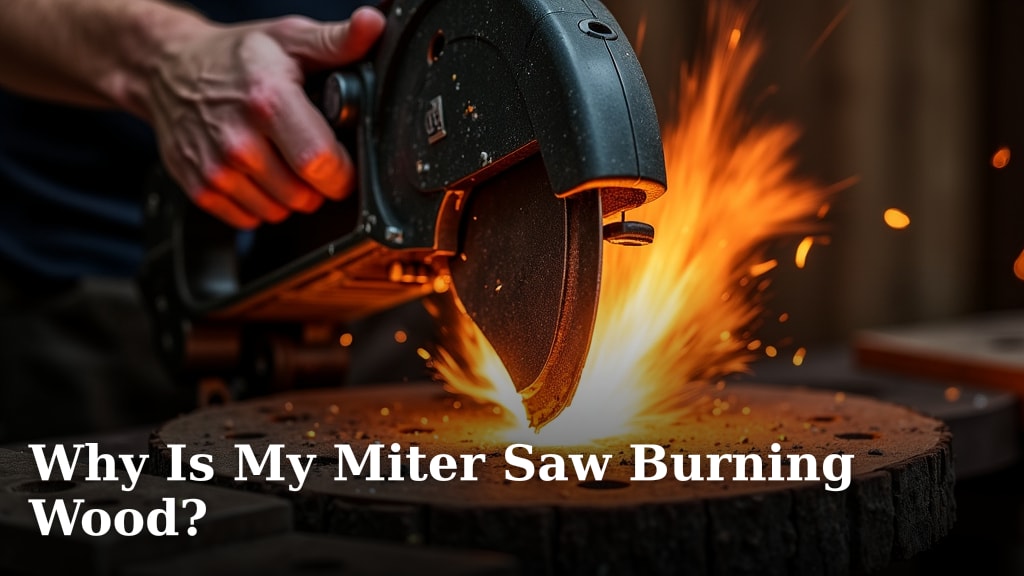
Your miter saw is burning wood likely because of a dull blade, improper blade type, or an incorrect cutting technique. These issues cause excessive friction and heat, leading to that tell-tale burn mark on your workpiece. It’s a common problem, but thankfully, it’s also one with straightforward solutions.
Ever pull your miter saw away only to see a scorched line where a clean cut should be? It’s frustrating, right? We found that this burning often means your saw isn’t working as efficiently as it could be, potentially impacting both your project’s finish and your saw’s longevity. Addressing these issues can save you a lot of headache and keep your cuts clean and smooth, just how you like them.
TL;DR:
- Dull blades cause friction and burn marks.
- Using the wrong blade type can overheat the wood.
- Poor cutting technique leads to charring.
- Check your saw’s alignment and speed.
- Proper dust collection helps reduce heat build-up.
Let’s dive into why your miter saw might be burning wood and what simple steps you can take to fix it, getting you back to perfectly clean cuts.
Understanding Why Your Miter Saw Leaves Burn Marks
The main reason your miter saw burns wood is excessive friction and heat. When the blade struggles to cut cleanly, it rubs against the wood rather than slicing through it. This friction generates enough heat to char the wood fibers, leaving behind those unsightly burn marks. It’s a common issue, but one that points to specific problems you can usually fix easily.
The Usual Suspects: Blade Problems
Often, the culprit behind burning wood isn’t your technique, but the blade itself. Think of your saw blade as the primary tool interacting with the wood. If it’s not performing optimally, you’re bound to see issues.
Dull Blade Syndrome
Is your blade still sharp? A dull blade is like trying to cut steak with a butter knife; it just tears and rips instead of slicing. When your miter saw blade loses its keen edge, it pushes and scrapes the wood, creating a lot of friction and heat. This resistance causes the wood to burn, especially on harder materials or during longer cuts. We found that even a slightly dull blade can make a big difference.
Wrong Blade Type for the Job
Just as you wouldn’t use a screwdriver to hammer a nail, you shouldn’t use the wrong blade for certain wood types. Different blades are designed for different materials. A low tooth count blade (like 24T) is great for rough cuts and quickly ripping through softwood, but it will likely burn hardwoods or leave a ragged edge on fine trim. Conversely, a high tooth count blade (60T or 80T) is perfect for clean crosscuts on hardwoods and plywood, but it might get too hot if forced through thick, soft lumber too quickly. We found that matching the blade to the material is crucial.
Resin and Pitch Buildup
Over time, sap and resin from wood can accumulate on your blade. This sticky residue makes the blade thicker and less able to pass through the wood smoothly. It acts like glue, increasing friction and making the blade work harder, leading to heat and burning. You might not even see it at first, but it dramatically impacts performance.
Technique and Setup Troubles
Even with the perfect blade, your cutting technique and saw setup play a significant role. Small adjustments here can make a world of difference in preventing burn marks.
Feed Rate and Saw Speed
Are you moving too fast or too slow? A feed rate that’s too slow means the blade spends more time in contact with the wood, allowing heat to build up. On the other hand, forcing the blade too quickly can cause the motor to bog down, increasing friction and potentially burning the wood. The ideal feed rate is a smooth, consistent pace that allows the blade to do its work without resistance. Many experts suggest letting the saw’s motor dictate the pace, rather than pushing it too hard.
Incorrect Blade Alignment
Your miter saw blade should be perfectly aligned with the fence and the path of the cut. If the blade is even slightly out of alignment, it can cause it to “drag” or “bind” in the cut. This misaligned contact creates extra friction on the sides of the blade, generating heat and burning the wood. We found that a small alignment check can often solve persistent burning issues.
Dust Collection Efficiency
Dust isn’t just messy; it’s also a significant factor in heat buildup. When your dust collection isn’t working well, fine sawdust can pack into the kerf (the cut slot) and around the blade. This accumulation prevents heat from dissipating and increases friction. It’s like trying to run through deep sand; the resistance is much higher. Keeping the cut clear helps the blade move freely and stay cooler.
Your Miter Saw’s Health
Sometimes, the issue isn’t with the blade or your technique, but with the saw itself. Regular maintenance and checks can prevent many problems.
Underpowered Motor
Is your miter saw struggling to cut through thicker or harder materials? An underpowered motor will bog down under load. When the motor loses RPMs, the blade effectively slows down, increasing contact time and friction, which then leads to burning. This is particularly noticeable with larger, less powerful saws trying to cut dense hardwoods.
Bearing Issues
Worn or damaged bearings in your saw can cause the blade to wobble or vibrate. This instability means the blade isn’t cutting a consistent kerf, leading to excessive friction and burning. If you hear unusual noises or feel excessive vibration, it might be a bearing issue. A well-maintained saw runs smoothly and quietly.
Quick Checklist for Preventing Burn Marks
Feeling overwhelmed? Here’s a quick checklist to help you diagnose and prevent those frustrating burn marks on your projects. Go through these steps one by one.
- Check your blade’s sharpness: Is it clean and sharp? Replace or sharpen if dull.
- Verify blade type: Is it appropriate for the material you’re cutting (e.g., high TPI for fine cuts)?
- Clean the blade: Remove any resin or pitch buildup with a blade cleaner.
- Adjust feed rate: Maintain a steady, consistent push, neither too fast nor too slow.
- Inspect alignment: Ensure your blade is square to the fence and table.
- Improve dust collection: Make sure your vacuum or dust bag is clearing debris effectively.
Blade Type Comparison: A Quick Guide
Choosing the right blade can feel like a maze, but it’s one of the most important decisions you’ll make for clean cuts. Here’s a simple table to guide your choice and help prevent burning.
| Blade Type (Tooth Count) | Best For | Risk of Burning (if used incorrectly) |
|---|---|---|
| 24-40 teeth (Low TPI) | Rough cuts, ripping softwoods, construction lumber | High on hardwoods, plywood, fine cuts |
| 60-80 teeth (Medium TPI) | General purpose, crosscutting softwoods, some hardwoods | Medium on very dense hardwoods, thin materials |
| 80-100+ teeth (High TPI) | Fine crosscuts, plywood, laminates, hardwoods, delicate trim | Low if used correctly, but can heat up if forced too fast |
Remember, this is a general guide. Always refer to your blade’s packaging for its specific recommended uses. Investing in a few different blades for various tasks will save you a lot of headache and burnt wood in the long run.
Conclusion
Dealing with a miter saw that burns wood can be annoying, but you now have the tools to fix it. We found that most issues boil down to a dull blade, the wrong blade for the job, or a technique that needs a little tweaking. By systematically checking your blade, your saw’s alignment, and your cutting habits, you can eliminate those unsightly scorch marks. Your projects will look better, and your saw will thank you for the proper care. Take these steps, and get back to making perfect, burn-free cuts every time.
Frequently Asked Questions
Can a miter saw burn wood even with a new blade?
Yes, even a new blade can burn wood if it’s the wrong type for the material, if you’re pushing too hard (incorrect feed rate), or if your saw’s alignment is off. Always match the blade’s tooth count to the wood you’re cutting.
How do I clean pitch and resin off my saw blade?
You can clean pitch and resin using a specialized blade cleaner solution or even oven cleaner. Apply it, let it soak briefly, then scrub with a brass brush and rinse. Make sure the blade is completely dry before reattaching it.
Does the type of wood affect how easily it burns?
Absolutely. Denser woods like oak or maple are more prone to burning because they create more friction. Softer woods might burn if the blade is very dull or the technique is poor, but it’s less common.
Is it normal for a miter saw motor to get hot?
Some warmth from the motor is normal, especially during prolonged use. However, if your motor is excessively hot to the touch or smells burnt, it could indicate it’s being overworked, possibly due to a dull blade or too much resistance.
Can extension cords cause my miter saw to burn wood?
An undersized or very long extension cord can cause a voltage drop to your saw. This can make the motor work harder and lose power, leading to a bogged-down blade and increased friction, which can result in burning.
