
Do You Need Safety Glasses for a Miter Saw?
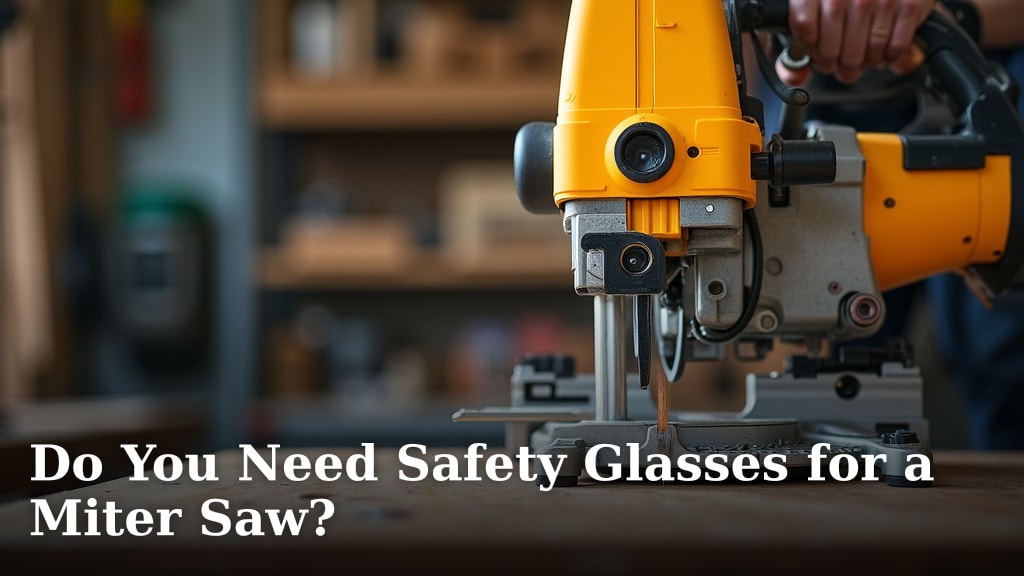
Yes, you absolutely need safety glasses for a miter saw. Protecting your eyes from flying debris is non-negotiable when operating this powerful tool. We found that even a small splinter can cause serious eye injury.
When you use a miter saw, wood chips, sawdust, and even blade fragments can become high-speed projectiles. Your vision is priceless, and taking shortcuts with safety gear is simply not worth the risk. Always make sure your protective eyewear is in good condition.
- Always wear safety glasses with a miter saw.
- Flying debris can cause serious eye injury.
- Standard eyeglasses are not sufficient protection.
- Choose safety glasses that meet ANSI Z87.1 standards.
- Regularly inspect your safety glasses for damage.
Let’s walk through everything you need to know about protecting your eyes when using a miter saw, and why this simple step is so incredibly important.
Why Eye Protection for Miter Saws is Non-Negotiable
When you power on a miter saw, you’re creating a high-speed environment. The saw blade spins incredibly fast, designed to cut through wood with ease. But this power also creates a lot of debris. Small particles become dangerous projectiles. We found that even tiny wood chips can travel at surprising speeds.
Your eyes are delicate. They don’t have the same protection as other parts of your body. Think about it: your skin can heal from a scratch, but a deep scratch on your cornea can lead to permanent vision loss. That’s why eye safety is paramount when using a miter saw.
The Hidden Dangers: What Can Go Wrong?
You might think, “It’s just wood dust, right?” Unfortunately, it’s much more than that. The dangers from a miter saw are varied, and many aren’t immediately obvious. Understanding these risks helps you appreciate why safety glasses are so vital.
Flying Wood Chips and Splinters
Every cut with a miter saw generates wood chips. Depending on the type of wood and the cut, these chips can range from fine dust to sizable splinters. We found that these pieces can be propelled with surprising force directly towards your face. Imagine a tiny, sharp dart heading straight for your eye. Even a small splinter can cause a painful corneal abrasion or, worse, penetrate the eye.
Sawdust and Fine Particles
Beyond the larger chips, there’s the pervasive sawdust. This fine dust can irritate your eyes, causing redness and discomfort. Over time, constant exposure to sawdust without protection can lead to chronic eye irritation or even more serious issues. It’s not just about immediate injury; it’s about long-term eye health too. (OSHA)
Blade Fragments and Kickback
This is perhaps the most frightening risk. While rare, a miter saw blade can fracture or a piece can break off, especially if it hits a knot or an embedded foreign object in the wood. These fragments can become extremely dangerous projectiles. Additionally, if the wood kicks back, it can throw debris or even strike you directly. Safety glasses provide a crucial barrier in these unexpected, high-impact scenarios.
Standard Eyeglasses vs. Certified Safety Glasses
You might wear prescription eyeglasses every day. Are they enough? The simple answer is no. Standard eyeglasses are designed for vision correction, not impact protection. There’s a big difference, and understanding it could save your eyesight.
Why Regular Glasses Fall Short
Regular eyeglasses have lenses made from various materials, but they are generally not impact-rated. A high-speed wood chip or fragment can easily shatter them. When they shatter, the broken glass or plastic itself can become an additional hazard, causing further eye injury. Also, standard glasses often lack side shields, leaving your eyes exposed from the sides, which is a common entry point for debris.
The Power of ANSI Z87.1 Certification
This is where certified safety glasses come in. Look for the “ANSI Z87.1” mark on your safety glasses. What does it mean? The American National Standards Institute (ANSI) sets standards for personal protective equipment. The Z87.1 standard specifically addresses occupational and educational eye and face protection devices. It ensures the eyewear has passed rigorous testing for:
- High Mass Impact: A heavy pointed projectile is dropped onto the lens.
- High Velocity Impact: A small steel ball is shot at the lens at high speed.
- Penetration: A pointed object is dropped onto the lens.
- Chemical Resistance: Protection against splashes.
- Dust Protection: Ability to seal out fine particles.
When you see Z87.1, you know those glasses are built to withstand significant impact and protect your eyes from common workshop hazards. This certification is your assurance of proven protection.
Choosing the Right Safety Glasses for Miter Saw Use
Now that you know why you need them, how do you pick the best pair? It’s not just about grabbing the first pair you see. Comfort, fit, and specific features matter for optimal protection and usability.
Key Features to Look For
When you’re shopping for safety glasses, keep these features in mind. They make a real difference in how well the glasses protect you and how comfortable they are to wear for extended periods.
- Full Side Protection: Ensure the glasses have integrated side shields or wrap-around styling to protect against debris coming from the sides. This is critical for miter saw work.
- Anti-Fog Coating: Nothing is more frustrating (and dangerous) than glasses that fog up, forcing you to take them off. An anti-fog coating keeps your vision clear.
- Scratch-Resistant Lenses: Your glasses will take a beating. A scratch-resistant coating helps prolong their life and keeps your vision unobstructed.
- UV Protection: If you’re working outdoors or near a window, UV protection is a good bonus for long-term eye health.
- Comfortable Fit: Look for adjustable temples, soft nose pads, or lightweight designs. If they aren’t comfortable, you’re less likely to wear them consistently.
Safety Goggles vs. Safety Glasses
Is there a difference? Yes, and for miter saw work, it’s worth considering. Safety glasses look more like regular eyewear, often with side shields. Safety goggles, however, form a tighter seal around your eyes, offering a higher level of protection, especially against fine dust and splashes.
For miter saw use, safety glasses with good side protection are generally sufficient. However, if you are generating a lot of very fine dust, or if you also plan to do other tasks like grinding or working with chemicals, goggles might be a better choice for enhanced sealing around the eyes. We recommend evaluating your specific workshop conditions.
| Feature | Standard Eyeglasses | ANSI Z87.1 Safety Glasses | ANSI Z87.1 Safety Goggles |
|---|---|---|---|
| Impact Protection | Minimal (can shatter) | High (impact-rated lenses) | Very High (impact-rated lenses & frame) |
| Side Protection | None | Required (side shields/wrap-around) | Full seal around eyes |
| Dust/Particle Seal | None | Limited (some gaps) | Excellent (forms tight seal) |
| Comfort/Style | High (designed for daily wear) | Good (many styles available) | Varies (can be bulkier) |
| Prescription Options | Yes | Yes (prescription safety glasses available) | Yes (over-glasses fit or Rx inserts) |
Maintaining Your Eye Protection: A Small Effort for Big Safety
Having the right safety glasses is only half the battle. To ensure they continue to protect you effectively, you need to take care of them. A damaged pair of safety glasses is a compromised pair.
Regular Inspection and Cleaning
Before every use of your miter saw, take a moment to inspect your safety glasses. Look for:
- Cracks or Scratches: Even a hairline crack can weaken the lens. Deep scratches can obscure your vision and compromise impact resistance.
- Loose Frames: Make sure the arms are tight and the lenses are securely seated in the frame.
- Distortion: Lenses should be clear and not cause visual distortion.
- Cleanliness: Always clean your lenses with a soft cloth and appropriate cleaner. Sawdust and grime can reduce visibility, leading to potential accidents.
If you find significant damage, it’s time for a new pair. Don’t try to “make do” with damaged protection. Your eyes are worth replacing a $15 pair of glasses.
Proper Storage Habits
Where do you keep your safety glasses when you’re not using them? Just tossing them into a toolbox with other tools is a recipe for scratches and damage. We found that storing them correctly significantly extends their lifespan.
Consider using a dedicated hard case or a soft pouch. This protects the lenses from scratches from other tools. Keep them in a clean, dry place, away from extreme temperatures. Treat your safety glasses with the same care you would your regular eyeglasses. They are an investment in your safety.
The Habit of Safety: Making Eye Protection Automatic
The best safety glasses in the world won’t help if they’re sitting on a shelf. Developing the habit of always wearing them is crucial. How do you make it second nature?
Your Pre-Saw Checklist
Before you even think about plugging in your miter saw, run through a quick mental (or physical) checklist. Make putting on your safety glasses the very first step. Treat it like buckling your seatbelt in a car – you don’t even think about driving until it’s done.
- Is the workpiece clamped securely?
- Are the blade and guards in good condition?
- Is the work area clear of clutter?
- Are your safety glasses on and clear?
- Are your hearing protection and dust mask ready?
By making eye protection a non-negotiable part of your setup routine, you drastically reduce the chance of accidentally forgetting them. It’s about building a positive safety culture in your own workshop.
Leading by Example
If you work with others, or if you have kids who watch you in the workshop, your habits set an example. Always wearing your safety glasses teaches others the importance of eye protection. It reinforces the idea that safety isn’t optional; it’s just how things are done. Be the person who always wears their safety gear, and you might just encourage someone else to do the same.
Conclusion
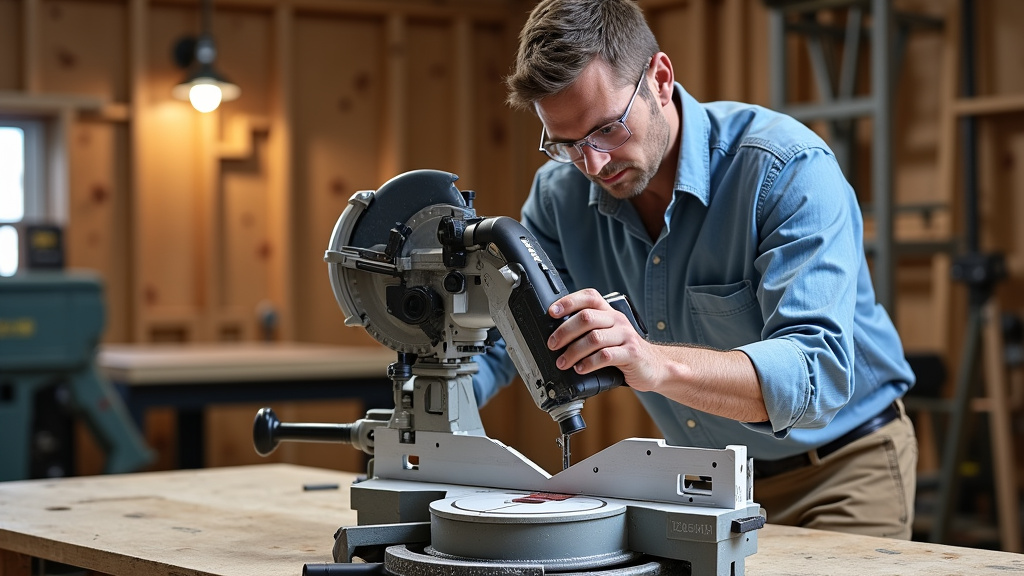
Protecting your eyes when using a miter saw is a fundamental safety practice. You’ve seen how easily flying debris, from fine sawdust to dangerous blade fragments, can cause serious harm. Standard eyeglasses offer little defense, highlighting the critical need for ANSI Z87.1 certified safety glasses.
Make eye protection an automatic part of your workshop routine. Invest in comfortable, well-fitting safety glasses with side protection. Inspect and maintain them regularly. Your vision is irreplaceable, so make the commitment now to always prioritize your eye safety.
Frequently Asked Questions
Can I use prescription safety glasses with a miter saw?
Yes, you absolutely can and should use prescription safety glasses if you need vision correction. Many manufacturers offer prescription safety eyewear that meets ANSI Z87.1 standards, ensuring both clear vision and impact protection. Alternatively, you can wear safety goggles designed to fit comfortably over your regular prescription glasses.
How often should I replace my safety glasses?
You should replace your safety glasses immediately if you notice any cracks, deep scratches, or distortion in the lenses. Even minor damage can compromise their impact resistance and clarity. Regularly inspect them before each use; a new pair is a small investment for continuous eye safety.
Are anti-fog safety glasses really effective?
Yes, anti-fog coatings can be very effective, especially when you’re working in varying temperatures or generating heat during activity. Fogging lenses can dangerously obscure your vision, tempting you to remove your protection. Look for glasses with a good anti-fog treatment to maintain clear sightlines throughout your work.
What’s the difference between safety glasses and safety goggles for dust protection?
Safety glasses typically offer side shields or a wrap-around design, providing good protection against most flying debris. Safety goggles, however, form a tighter seal around your eyes. This seal offers superior protection against very fine dust and airborne particles, which can irritate or enter your eyes through small gaps in glasses.
Where should I store my safety glasses to keep them in good condition?
Always store your safety glasses in a dedicated hard case or a soft pouch when not in use. Avoid tossing them unprotected into a toolbox where they can get scratched or damaged by other tools. Keeping them clean and protected from abrasions will extend their lifespan and ensure they’re ready for the next job.
