
Is a Miter Saw Worth It for a Homeowner?
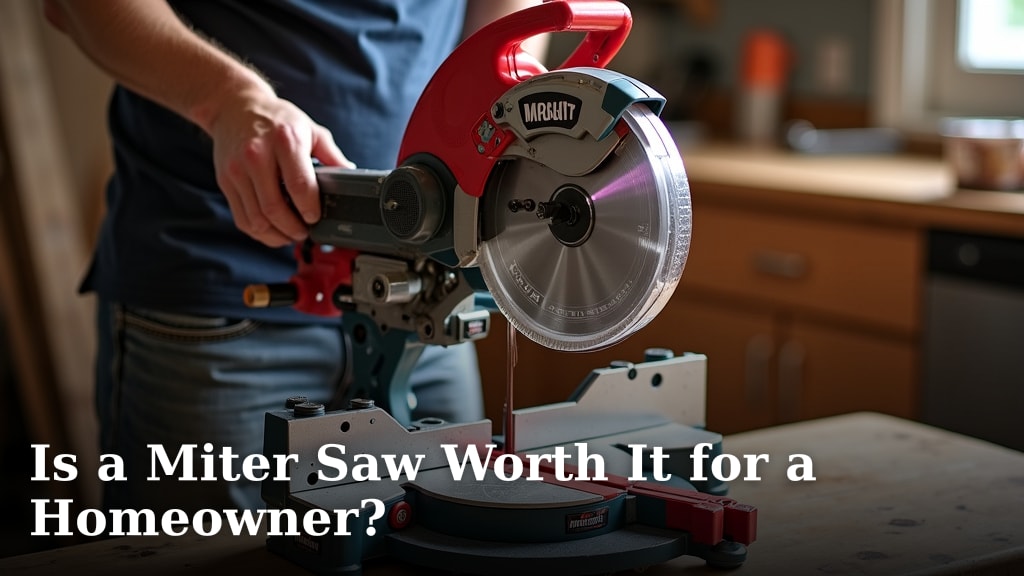
Yes, a miter saw is often worth it for a homeowner, especially if you plan to tackle various home improvement projects. It makes accurate, repetitive cuts much easier. Many homeowners find it a great investment for DIY tasks.
You might wonder if this tool is right for your projects. We’ve found it simplifies many common tasks around the house. From trim work to deck building, a good miter saw can save you time and effort. It helps you achieve professional-looking results.
- Miter saws offer precision and speed for common cuts.
- They are especially useful for trim, molding, and framing.
- Consider your project frequency and type before buying.
- Even occasional users can find great value in owning one.
Let’s look at why a miter saw might be your next favorite tool and what to consider before you buy one.
Should You Get a Miter Saw for Home Projects?
You’re probably wondering if a miter saw truly belongs in your garage. For many homeowners, the answer is a resounding yes. We found that this tool significantly boosts your ability to handle various home improvement tasks. It’s not just for pros anymore.
What a Miter Saw Does for You
Imagine needing to cut a piece of trim at a perfect 45-degree angle. Or perhaps you’re building a simple bookshelf. A miter saw makes these tasks incredibly fast and accurate. It’s designed for crosscuts and miter cuts, which are diagonal cuts across the width of a board.
- You get consistent, clean cuts every time.
- It allows for precise angle adjustments.
- Many models have a laser guide, making it easy to see your cut line.
- It’s much faster and safer than a handsaw for repetitive cuts.
Common Homeowner Projects That Benefit
When you have a miter saw, a whole world of DIY opens up. You’ll find yourself tackling projects you might have shied away from before. From minor repairs to larger renovations, it’s a versatile tool.
- Trim and molding installation: Baseboards, crown molding, door and window casings are much easier.
- Picture frames: Create perfect corners for custom frames.
- Shelving units: Cut precise lengths for shelves and supports.
- Deck and fence repairs: Make accurate cuts for replacing boards.
- Small furniture building: Ideal for stools, benches, or even small tables.
We’ve seen countless homeowners report that their miter saw quickly becomes one of their most used tools for these types of projects.
Types of Miter Saws to Consider
Not all miter saws are created equal. You have a few main types, each with its own benefits. Knowing the differences helps you pick the best fit for your needs.
Standard Miter Saw
This is the simplest type. It pivots on a fixed point to make angled cuts. It’s great for basic trim work and has a smaller footprint. However, its cutting capacity is somewhat limited.
- Good for smaller wood pieces.
- More affordable option.
- Excellent for miter cuts and straight crosscuts.
Compound Miter Saw
A compound miter saw does everything a standard miter saw does, but it also allows the blade to tilt (bevel). This means you can make compound cuts, which are both mitered and beveled at the same time. Think of cutting crown molding – it requires this double angle.
- Handles more complex angles.
- Essential for many types of molding.
- Offers greater flexibility for projects.
Sliding Compound Miter Saw
This is the most versatile for homeowners. A sliding compound miter saw has rails that allow the blade to move forward and backward. This significantly increases your cutting capacity, letting you cut wider boards. This is often the preferred choice for those wanting to handle larger lumber.
- Can cut very wide boards (e.g., 2x12s).
- Combines miter, bevel, and sliding actions.
- Often considered the best all-around option for DIYers (Consumer Reports).
Here’s a quick comparison to help you visualize the differences:
| Saw Type | Key Feature | Typical Uses | Price Range (Homeowner) |
|---|---|---|---|
| Standard Miter Saw | Fixed pivot, miter cuts only | Basic trim, small lumber | $100 – $200 |
| Compound Miter Saw | Miter and bevel cuts | Crown molding, detailed trim | $180 – $350 |
| Sliding Compound Miter Saw | Miter, bevel, and sliding for width | Wide boards, decking, all trim | $250 – $600+ |
Cost vs. Value: Is It a Good Investment?
You might look at the price tag and wonder if it’s really worth it. We often hear this question. The truth is, for many homeowners, a miter saw offers significant long-term value.
Consider the alternative: paying a professional for every little trim repair or small building project. These costs can quickly add up. Doing it yourself with a miter saw means saving money on labor. Plus, you get the satisfaction of completing projects yourself.
Many homeowners who invest in a miter saw report that it pays for itself within a few projects. It empowers you to take on more and learn new skills. That’s a return on investment that goes beyond just dollars.
Safety First: What You Need to Know
Any power tool requires respect and proper safety measures. A miter saw is no different. You’ll want to prioritize safety to avoid accidents.
- Always wear safety glasses.
- Keep your hands a safe distance from the blade.
- Ensure the workpiece is clamped securely.
- Never remove the blade guard.
- Unplug the saw before changing blades or making adjustments.
- Use ear protection, as these saws can be loud.
The U.S. Consumer Product Safety Commission (CPSC) always stresses the importance of following manufacturer guidelines for safe tool operation. Taking a few minutes to read your saw’s manual can prevent serious injury.
Factors to Consider Before Buying
Ready to make a decision? Here are some key points to think about. This checklist will help you narrow down your choices and pick the right miter saw for you.
- Project Type: What kind of cuts will you primarily be making (e.g., basic trim, wide boards, complex molding)?
- Frequency of Use: Will you use it weekly, monthly, or only a few times a year?
- Space Available: Do you have a dedicated workshop, or will it need to be packed away after each use?
- Budget: How much are you comfortable spending? Remember, more features usually mean a higher price.
- Blade Size: Common sizes are 10-inch and 12-inch. A 12-inch blade cuts wider and deeper.
- Power Source: Corded offers consistent power; cordless offers portability but needs battery management.
Making Your Decision
So, is a miter saw worth it for you? If you anticipate even a few DIY projects involving cutting wood, we believe it’s a highly valuable addition to your tool arsenal. It transforms challenging cuts into simple, precise tasks. You’ll gain confidence and achieve results that look like they were done by a pro.
Many homeowners report a “game-changer” moment once they start using their miter saw (Home Depot customer reviews often highlight this). It truly simplifies tasks and makes home improvement more enjoyable and efficient.
Conclusion
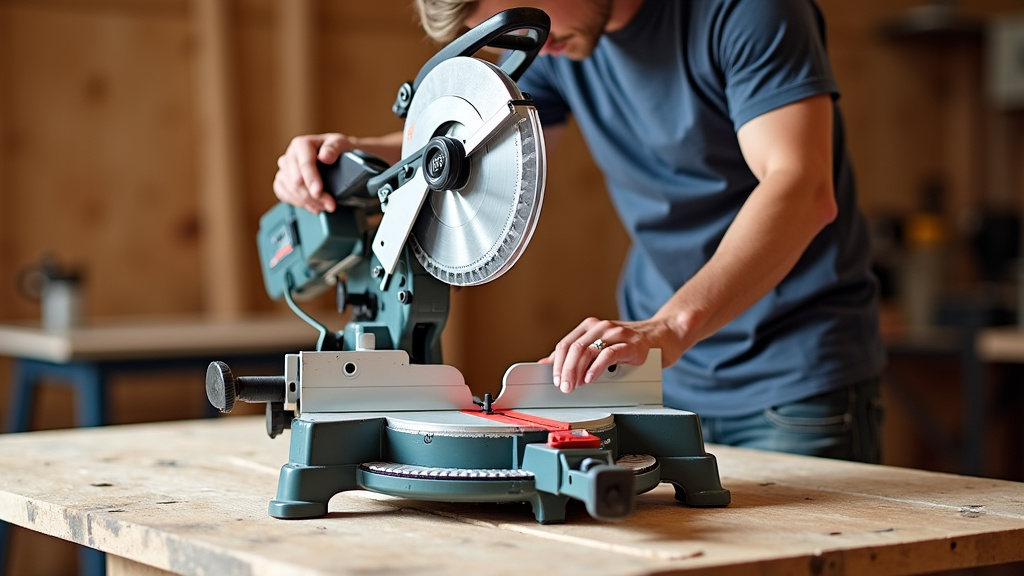
After looking at the versatility and benefits, it’s clear a miter saw can be a fantastic addition to your home workshop. If you plan on tackling trim, building small furniture, or even just doing regular repairs, this tool offers unmatched precision and speed. It helps you achieve cleaner, more professional results on your projects. Consider your specific needs and budget, then choose the type that best fits. Investing in a miter saw means investing in your DIY capabilities, saving money long-term, and enjoying the satisfaction of a job well done. You’ll likely find yourself wondering how you ever managed without one.
Frequently Asked Questions
What’s the best miter saw size for a homeowner?
For most homeowners, a 10-inch or 12-inch blade is sufficient. A 12-inch saw cuts wider and deeper, which is great if you work with larger lumber like decking. A 10-inch is often fine for trim and smaller projects.
Do I really need a sliding miter saw?
You don’t always need a sliding miter saw, but it’s highly recommended for its versatility. The sliding feature lets you cut much wider boards than a standard or compound miter saw. This is particularly useful for things like shelves or wide trim.
Can a miter saw replace a table saw for basic cuts?
A miter saw excels at crosscuts and angled cuts across the grain of wood. A table saw is better for long rip cuts (cutting along the grain). While there’s some overlap, they are different tools designed for different primary functions.
How much space does a miter saw require?
Even smaller miter saws need a decent amount of clear space around them for safe operation and to support long workpieces. Factor in space for the saw itself, plus about 2-3 feet on each side for material support. Sliding models need more depth.
Is a corded or cordless miter saw better for homeowners?
Corded miter saws offer consistent power for extended use, which is great for workshop settings. Cordless models provide portability and convenience, especially for projects without easy access to outlets, but you’ll need to manage battery life.
