
How Much Does a Sliding Miter Saw Cost?
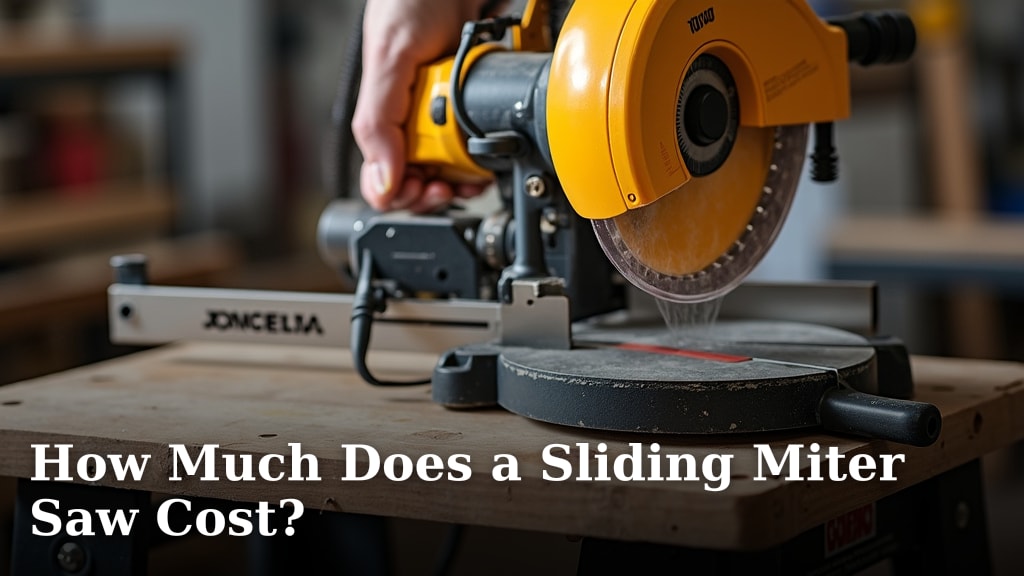
A sliding miter saw generally costs anywhere from $200 to over $1,000, depending on the brand, features, and motor power. You’ll find that professional-grade models are at the higher end, while basic saws for DIY projects are more affordable.
The price tag for a sliding miter saw can vary quite a bit, making it tricky to pick the right one for your budget. We found that factors like blade size, laser guides, and dust collection systems can all impact the final cost. Are you looking for a saw for occasional home projects or daily workshop use?
TL;DR:
- Sliding miter saws range from $200 to $1,000+.
- Budget saws are great for DIYers.
- Pro models offer more features and power.
- Blade size and extra features affect the price.
- Your project needs will guide your budget.
Let’s break down the different price points and what you can expect to get for your money. We’ll help you figure out what kind of sliding miter saw fits your needs and wallet.
Breaking Down Sliding Miter Saw Costs
Sliding miter saw prices vary widely, mostly due to differences in features, motor power, and brand reputation. You’ll find a range from budget-friendly options to high-end professional tools.
When you’re looking at sliding miter saws, think about what you truly need. Are you tackling a quick weekend project or do you plan to use this saw every day on a job site? Your answer will guide you to the right price point and the best value for your money.
Entry-Level Sliding Miter Saws: ($200 – $400)
These saws are perfect for the occasional DIYer or someone just starting out. They offer good functionality without breaking the bank. Don’t expect all the bells and whistles, but they’ll get the job done for most home projects.
- These models typically feature a single-bevel design, meaning the saw head tilts in only one direction.
- You’ll often find 10-inch blades, which are suitable for common lumber sizes.
- Motor power is usually around 10-12 amps, offering enough force for cutting trim, decking, and smaller framing materials.
- Expect basic dust collection and a simpler fence system.
- Brands like Ryobi, WEN, and some Skil models often fall into this category.
We found that many users appreciate the ease of use and affordability of these saws. They are a solid choice for homeowners who want to cut accurately for shelving, picture frames, or minor repairs around the house. Think of it like a reliable family sedan – it gets you where you need to go without fancy extras.
Mid-Range Sliding Miter Saws: ($400 – $700)
Stepping up a bit, you enter the mid-range market. Here, you’ll see more robust features and better build quality. These saws are ideal for serious hobbyists, small contractors, or those who use their saw regularly.
- Most saws in this range are dual-bevel, allowing the head to tilt left and right. This saves you time by not having to flip your workpiece for angled cuts.
- You’ll often find both 10-inch and 12-inch blade options. A 12-inch blade provides greater cutting capacity for wider boards.
- Motor power often jumps to 15 amps, providing more torque and consistent performance through tougher materials.
- Look for enhanced features like integrated laser guides for more precise cuts and better dust collection systems.
- Common brands in this segment include DeWalt, Makita, Bosch (some models), and Milwaukee.
These saws offer a great balance of features and cost. They can handle more demanding tasks, such as cutting larger crown molding or wider decking. It’s like upgrading to a sportier car – you get more power and a few more creature comforts for a bit more money.
Professional and High-End Sliding Miter Saws: ($700 – $1,200+)
At the top tier, you’ll find saws built for daily use in professional settings. These machines offer superior accuracy, durability, and a host of advanced features designed to boost productivity and precision.
- Expect top-tier construction materials and engineering for maximum longevity and minimal flex.
- Almost all saws in this category are dual-bevel and often come with additional angle detents for common cuts.
- Both 10-inch and 12-inch blades are common, with some specialized models offering even larger capacities.
- Motors are typically powerful 15-amp units, often with direct-drive systems for increased reliability and less maintenance.
- Advanced features might include digital miter and bevel scales, larger fences, superior dust extraction ports, and often a more compact sliding mechanism.
- Brands like Festool, high-end Bosch models (like the Axial-Glide), and premium DeWalt and Makita saws fit here.
These saws are an investment, but for those who rely on their tools daily, the added cost pays off in performance, accuracy, and reduced fatigue. Think of it as a luxury vehicle or a specialized work truck – it’s designed for high performance and heavy-duty tasks.
What Factors Drive the Price Tag?
Beyond basic categorization, several specific features and components directly influence how much you’ll spend on a sliding miter saw. Understanding these can help you decide where to splurge and where to save.
Blade Size and Cutting Capacity
The size of the blade directly affects how wide and thick of a board you can cut. A larger blade typically means a higher price.
- 10-inch blades: Good for most DIY projects, trim, and smaller dimensional lumber. Generally less expensive.
- 12-inch blades: Essential for cutting wider boards (like 2x12s or larger crown molding) and thicker stock. These saws tend to cost more due to the larger components needed.
If you’re only cutting thin trim, a 10-inch saw will be perfectly adequate and save you some money. But if you’re building decks or cutting wide shelving, a 12-inch saw is almost a necessity (Tool Review Magazine).
Motor Power and Type
A saw’s motor is its heart. More power generally means smoother cuts, especially through dense or thick materials.
- Amperage: Most saws are 10-15 amps. Higher amps (15) mean more power.
- Motor Type: Brushed motors are common and affordable. Brushless motors (more common in cordless saws, but some corded models have them) offer better efficiency, longer life, and are usually found in higher-priced models.
A stronger motor helps prevent the blade from bogging down. This is especially important if you’re working with hardwoods or many pieces at once.
Beveling Capability: Single vs. Dual
This refers to how the saw head tilts to make angled cuts.
- Single-Bevel: Tilts in one direction (usually left). You might need to flip your workpiece to make opposing angled cuts, which can be time-consuming. These are found in more affordable saws.
- Dual-Bevel: Tilts both left and right. This saves time and effort, especially for complex cuts like crown molding. This feature adds to the cost but is often worth it for efficiency.
We found that for repetitive or intricate tasks, a dual-bevel saw dramatically speeds up your work (Contractor’s Guidebook).
Sliding Mechanism and Portability
The “sliding” part is crucial for cutting wider boards. How this mechanism is built affects both price and performance.
- Standard Slide Rails: Common on most saws. They allow the blade to move forward and back.
- Compact Designs (e.g., Bosch Axial-Glide): Some premium saws use alternative sliding mechanisms that reduce the saw’s footprint, making it easier to fit in smaller shops or transport. These advanced designs often command a higher price.
Portability also plays a role. Lighter saws, or those with integrated carrying handles, might be designed with convenience in mind, affecting their build and cost.
Additional Features and Technology
Extra perks can quickly add to the price, but they often make your work easier and more accurate.
Laser Guides and LED Lights
Many saws now include a laser line to show you where the blade will cut. Some have LED lights to illuminate the work area. These are great for accuracy but add to the manufacturing cost.
Dust Collection Systems
While most saws come with a dust bag, higher-end models often have more efficient dust ports designed to connect to shop vacuums. Better dust management means a cleaner workspace and clearer sightlines, but it’s an added expense.
Digital Displays and Controls
Some professional saws feature digital readouts for miter and bevel angles, offering extreme precision. This advanced technology definitely pushes the price higher.
Brand Reputation and Warranty
Established brands with a reputation for quality and customer service often have higher prices. You’re not just paying for the saw; you’re also paying for reliability and peace of mind (Consumer Reports).
Cost Comparison Table: Sliding Miter Saws
Here’s a quick overview of what you might expect at different price points:
| Price Range | Key Features | Best For | Example Brands (General) |
|---|---|---|---|
| $200 – $400 | 10-inch blade, single-bevel, 10-12 amp motor, basic features | Light DIY, occasional use, beginners | Ryobi, WEN, Skil (entry) |
| $400 – $700 | 10-12 inch blade, dual-bevel, 15 amp motor, laser guide, better dust collection | Serious DIY, hobbyists, small projects, regular use | DeWalt, Makita, Bosch (mid) |
| $700 – $1,200+ | 12-inch blade, dual-bevel, 15 amp (often direct-drive), advanced accuracy, robust build, compact slide | Professionals, heavy daily use, specialized tasks | Festool, Bosch (high-end), Milwaukee, premium DeWalt/Makita |
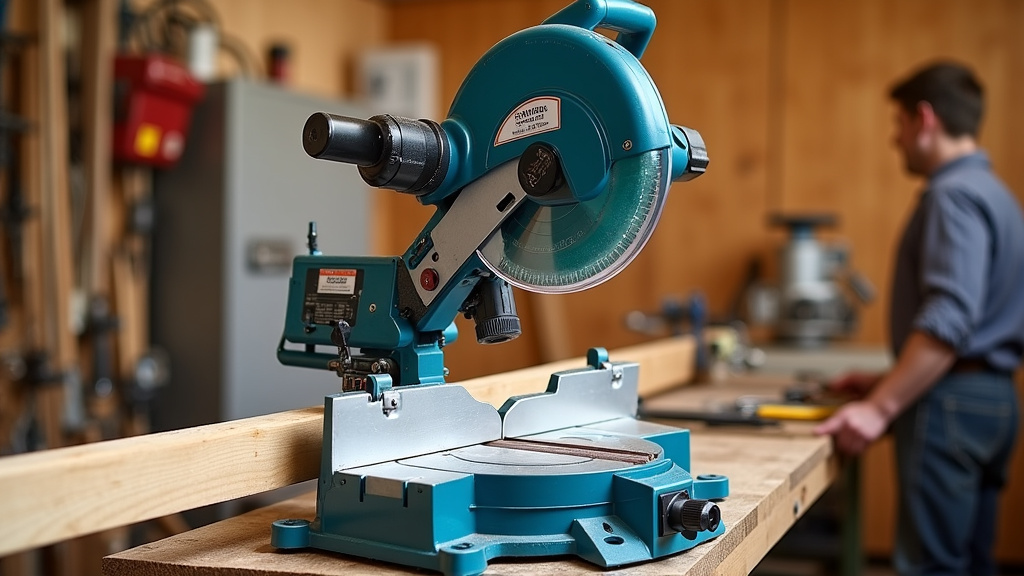
Is a More Expensive Sliding Miter Saw Always Better?
Not necessarily! The “best” saw depends entirely on your needs. Just like buying a car, you wouldn’t buy a semi-truck if you only need to commute to work. Similarly, you wouldn’t buy a compact car if you need to haul heavy loads every day.
If you’re cutting a few pieces of trim once a month, an entry-level saw will serve you well. Paying extra for features you don’t use is just wasting money. However, if you’re a professional carpenter making hundreds of cuts daily, investing in a high-end saw will save you time, improve accuracy, and likely last much longer. The extra cost is justified by increased productivity and reliability.
Smart Shopping: Getting the Best Value
You don’t always have to pay full price to get a great tool. Here are a few ways to get more bang for your buck:
- Look for Sales: Major holidays (Black Friday, Prime Day, Memorial Day) are prime times for tool discounts.
- Consider Refurbished Models: Many manufacturers sell factory-refurbished tools at a significant discount, often with a full warranty.
- Bundle Deals: Sometimes retailers offer discounts when you buy a saw along with a stand or additional blades.
- Read Reviews: User reviews can highlight common issues or unexpected benefits that aren’t obvious from the spec sheet.
- Rent Before You Buy: If you have a one-off big project, renting a high-end saw for a day or two can be much cheaper than buying one.
Remember, the goal is to find a saw that meets your project demands without overspending on features you won’t use. Your perfect saw is out there; it just takes a little smart searching.
Conclusion
Choosing the right sliding miter saw means balancing your budget with your project needs. We’ve seen prices range from affordable DIY models to high-end professional tools, each offering different features and levels of performance. Your occasional trim work won’t require the same investment as daily job site demands.
Think about blade size, motor power, and beveling capabilities that genuinely benefit your tasks. By considering your specific use case, you can make a smart, informed decision that brings the best value to your workshop. Happy cutting!
Frequently Asked Questions
Is a 10-inch or 12-inch sliding miter saw better for most homeowners?
For most homeowners, a 10-inch sliding miter saw is perfectly sufficient. It handles common tasks like cutting trim, decking, and smaller lumber. A 12-inch saw is usually only necessary if you frequently work with very wide boards or thick materials.
Can I get a good quality sliding miter saw for under $300?
Yes, you absolutely can find a good quality sliding miter saw for under $300. These saws are typically in the entry-level category and are great for DIY projects and occasional use. They might not have all the advanced features of more expensive models, but they will perform well for basic cuts.
Does brand name really matter for a sliding miter saw’s price?
Yes, brand name can significantly influence a sliding miter saw’s price. Established brands like DeWalt or Makita often command higher prices due to their reputation for durability, reliability, and better customer support. However, many budget brands offer excellent value for DIYers.
How much extra does a laser guide typically add to the cost of a sliding miter saw?
A laser guide usually adds a small amount to the overall cost, often making a saw fall into the mid-range price bracket ($400-$700). It’s a convenient feature for increased accuracy. Some entry-level saws now include basic laser guides as well, making them more accessible.
Is it worth buying a refurbished sliding miter saw to save money?
Buying a factory-refurbished sliding miter saw can be a great way to save money, often getting you a higher-end model for less. Many manufacturers offer warranties on their refurbished tools, providing peace of mind. Just ensure it comes with a warranty and from a reputable seller.
