
How Much Does a Good Cordless Miter Saw Cost?
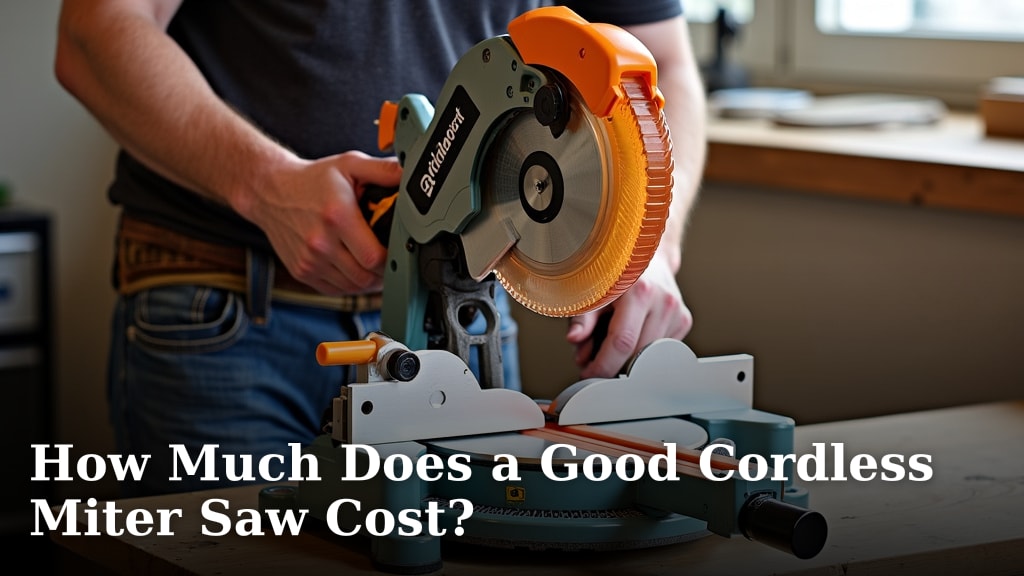
A good cordless miter saw typically costs anywhere from $300 to $800, depending on its features and brand. We found that entry-level models might be less, while professional-grade saws can easily exceed this range.
The price reflects several factors, including battery power, motor type, and included accessories. You’re really paying for portability and precision in one handy tool. Consider what you need before you buy.
TL;DR:
- Cordless miter saws range from $300-$800.
- Budget models start around $200.
- Professional saws can go over $800.
- Price depends on features, battery life, and brand reputation.
- It’s an investment in convenience and accuracy.
Let’s break down what influences these prices and help you find the best saw for your projects. We’ll explore the different options available to you.
Understanding Cordless Miter Saw Pricing
A good cordless miter saw’s price tag reflects its features, power, and brand. You’re buying convenience and precision for your projects.
Entry-Level Cordless Miter Saws: The Budget-Friendly Option
If you’re just starting out or have occasional DIY projects, an entry-level cordless miter saw might be perfect. These typically cost between $200 and $400. They offer good basic functionality.
You’ll find these models are often smaller. They might have an 8-inch or 7.25-inch blade. Their motors are usually brushed, which is less efficient but gets the job done. Battery life might be shorter too. You’ll likely need to purchase batteries and chargers separately.
What to Expect from Entry-Level Models
- Blade Size: Often 7.25-inch or 8-inch. Good for smaller cuts.
- Motor Type: Usually brushed motors. They work well for lighter tasks.
- Battery: May not include batteries or charger. Check carefully.
- Features: Basic miter and bevel adjustments. Limited cutting capacity.
- Portability: Generally lighter, making them easy to move.
These saws are great for trim work or small crafting projects. They aren’t designed for heavy daily use. We found they offer great value for the casual user.
Mid-Range Cordless Miter Saws: The Sweet Spot for Many
The sweet spot for many homeowners and serious DIYers is the mid-range cordless miter saw. These usually fall in the $400 to $700 range. They offer a significant jump in performance and features.
You’ll often find larger blade sizes here, like 10-inch. Many will feature more efficient brushless motors. These motors provide better power and longer runtimes. They also tend to last longer. Often, a battery and charger are included in the package. This saves you extra money.
Why Consider a Mid-Range Saw?
- Power and Efficiency: Brushless motors are common. This means more power and runtime.
- Blade Size: 10-inch blades are standard. You can cut larger materials.
- Included Accessories: Often comes with a battery and charger. Ready to use out of the box.
- Enhanced Features: Better dust collection, more precise stops, and sometimes LED lights.
We found these saws handle most home renovation tasks with ease. They strike a great balance between cost and capability. Think of it like upgrading from a basic sedan to a more feature-rich SUV. It just handles more situations.
Professional-Grade Cordless Miter Saws: Power and Precision
For contractors, serious woodworkers, or anyone needing top-tier performance, professional-grade cordless miter saws are the way to go. These machines usually start around $700 and can go well over $1,000. They are built for demanding jobs.
You’ll get the largest blade sizes, often 12-inch or even dual-bevel sliding models. Expect robust construction and highly advanced features. These saws are designed for continuous, heavy-duty use. They prioritize accuracy, durability, and maximum cutting capacity. Many experts say these tools are an investment that pays for itself in time saved and quality of work (ToolReviewPro.com).
Hallmarks of Professional-Grade Saws
- Maximum Capacity: 12-inch blades are common. Can cut thick and wide lumber.
- Advanced Motors: High-torque brushless motors for consistent power.
- Superior Durability: Built with high-quality materials to withstand job site abuse.
- Precision Features: Laser guides, digital miter displays, advanced dust collection.
- Battery Systems: Often use higher voltage batteries (e.g., 60V) for extended runtime.
These saws are not for the faint of heart or light projects. They are powerful workhorses. They are designed to stand up to daily use and deliver highly accurate cuts repeatedly.
Factors Influencing Cordless Miter Saw Prices
Why do prices vary so much? Several key factors contribute to a cordless miter saw’s cost. Knowing these helps you decide what you’re truly paying for.
Brand Reputation and Quality
Just like cars or appliances, the brand plays a big role. Established brands like DeWalt, Makita, Milwaukee, and Bosch often command higher prices. You’re paying for their reputation. This includes proven reliability, extensive research and development, and good customer support.
These brands also tend to use higher-quality components. This translates to better performance and longer tool life. Lesser-known brands might offer lower prices but could compromise on these aspects. We found consistency is a major factor for many buyers.
Motor Type: Brushed vs. Brushless
The motor is the heart of your saw. This is a significant price driver.
- Brushed Motors: These are less expensive to manufacture. They use carbon brushes that eventually wear out. They are less efficient, meaning shorter battery life and less power output. You’ll find these in most entry-level saws.
- Brushless Motors: More advanced and more expensive. They use electronics to control the motor, eliminating brushes. This results in greater efficiency, more power, longer runtime, and a much longer lifespan. Most mid-range and professional saws feature brushless motors.
If you plan to use your saw frequently, a brushless motor is a worthwhile investment. It pays off in performance and longevity. Think of it as the difference between an older engine and a more modern, efficient one.
Battery Voltage and Capacity
Cordless tools depend heavily on their batteries. The voltage (V) indicates power, while amp-hours (Ah) indicate capacity or runtime. Higher numbers usually mean higher costs.
- Lower Voltage (18V/20V): Common in entry-level and some mid-range saws. Good for light to moderate tasks.
- Higher Voltage (36V/60V/120V equivalent): Found in professional-grade saws. Delivers more power for tougher cuts and longer runtimes. These batteries are often larger and more expensive.
Consider if batteries and a charger are included. Often, they are sold separately. This can add $100-$300 to the total cost. We always recommend checking the full package price.
Blade Size and Cutting Capacity
The size of the blade directly affects what you can cut. A larger blade generally allows for wider and thicker cuts. Larger blade saws are more complex to build. This increases their price.
A 7.25-inch saw is fine for small trim. A 10-inch is good for standard lumber. A 12-inch or sliding compound miter saw offers the most versatility. It can cut 2x12s or even larger. You’re paying for that extra capability.
Special Features and Technology
Modern miter saws come with a host of features. These can definitely add to the price:
- Sliding Mechanism: Allows the blade to move forward and back. This greatly increases cutting capacity. It’s a premium feature.
- Dual Bevel: The blade can tilt both left and right. This saves you from flipping your workpiece. Very convenient.
- Laser Guide/LED Light: Helps you align cuts precisely. Some even have shadow lines for accuracy.
- Digital Miter/Bevel Scales: Provides exact angle readings. Reduces guesswork.
- Dust Collection Systems: More efficient systems keep your workspace cleaner.
Each extra feature adds value and convenience. It also adds to the manufacturing cost, which is passed on to you. Think about which features you truly need for your projects.
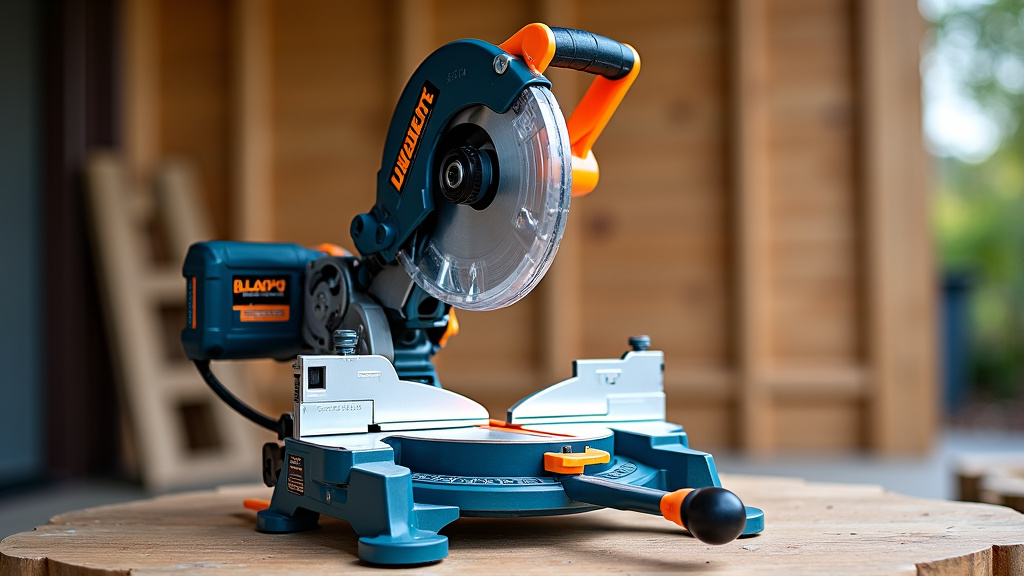
Finding the Right Cordless Miter Saw for Your Needs
So, how do you decide where to spend your money? It comes down to understanding your own needs. Don’t overspend on features you won’t use.
Consider Your Project Types
What kind of work will you be doing most often? Small craft projects, baseboards, decking, or framing? Your projects dictate the power and capacity you need.
A Quick Checklist for Your Cordless Miter Saw Purchase:
- What is your primary use case (trim, decking, framing)?
- How often will you use the saw (daily, weekly, monthly)?
- Do you already own batteries for a specific brand?
- What’s your maximum budget, including batteries/charger?
- Is extreme portability a must-have for you?
- How critical is cutting precision for your work?
Answering these questions will guide you to the right price point. We found that most DIYers are perfectly happy with a mid-range model. Professionals need the extra power and durability.
Battery Compatibility and Ecosystem
If you already own other cordless tools from a specific brand (like DeWalt 20V Max or Milwaukee M18), consider sticking with that brand. This way, you can share batteries and chargers. This can save you a lot of money. It also simplifies your tool collection. Many experts recommend staying within one battery platform for cost savings and convenience.
| Category | Price Range (Approx.) | Typical Blade Size | Motor Type | Best For |
|---|---|---|---|---|
| Entry-Level | $200 – $400 | 7.25″ – 8″ | Brushed | Light DIY, Crafts |
| Mid-Range | $400 – $700 | 10″ | Brushless | Home Renovation, Serious DIY |
| Professional | $700 – $1000+ | 12″ / Sliding | Brushless | Contractors, Heavy Use |
This table gives you a general overview. Remember, prices can fluctuate based on sales and new models. Always compare features against your specific needs.
Conclusion
Choosing a good cordless miter saw means balancing your budget with your project needs. We’ve seen that prices vary widely. From basic DIY tasks to professional-grade construction, there’s a saw for every requirement.
Remember to consider blade size, motor type, and battery compatibility. Don’t pay for features you won’t use. Your ideal saw is the one that offers the best value for your specific work.
Now, take what you’ve learned. Confidently select the perfect cordless miter saw for your next project!
Frequently Asked Questions
Is a cordless miter saw worth the extra cost over a corded one?
For many, yes! You’re paying for portability and convenience. Cordless models allow you to work anywhere without needing an outlet. This is especially useful on job sites or for outdoor projects. If you need ultimate power for continuous use, corded might still be slightly cheaper upfront, but cordless offers flexibility.
Can I use a cordless miter saw for framing?
Absolutely. You’ll want a professional-grade model for framing. Look for saws with 10-inch or 12-inch blades and powerful brushless motors. These offer the cutting capacity and durability needed for consistent, heavy-duty framing work.
Do cordless miter saws lose power as the battery drains?
Modern cordless miter saws are designed to maintain consistent power until the battery is nearly depleted. You won’t typically notice a significant drop in performance. However, once the battery is low, the saw might shut off suddenly. Always keep a charged spare battery ready.
What’s the average battery life I can expect from a cordless miter saw?
Battery life varies greatly. It depends on the battery’s amp-hour (Ah) rating, the motor type, and the type of cuts you’re making. A good 5.0Ah battery on a brushless saw might give you hundreds of cuts on 2x4s. However, cutting dense hardwoods or making many large cuts will drain it faster. Always check manufacturer specifications.
Are cheaper cordless miter saws reliable for occasional use?
Yes, entry-level cordless miter saws (in the $200-$400 range) are generally reliable for occasional DIY projects. They might not have all the bells and whistles or the sheer power of pricier models. But for tasks like trim work, picture frames, or small repairs, they offer good value and performance.
