
What Accessories Do I Need for a Miter Saw?
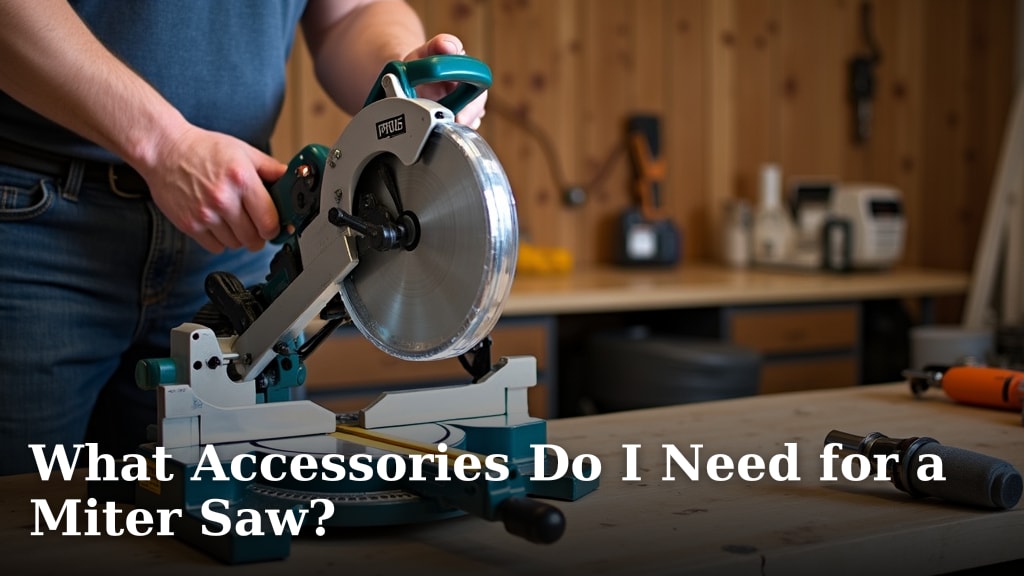
To use your miter saw effectively and safely, you will need a few key accessories. These include a good miter saw blade, a dependable dust collection system, and appropriate safety gear. These items help you make accurate cuts and protect yourself.
Having the right gear makes a big difference. We found that accessories like a stable miter saw stand and a precise stop system greatly improve your work. They help you achieve professional results on your projects.
- Essential safety gear protects you.
- The right blade ensures clean cuts.
- Dust collection keeps your workspace tidy.
- A sturdy stand makes cutting easier and safer.
- Stop systems help with repeatable accuracy.
Let’s look closer at each accessory and why it’s so important for your miter saw setup.
Essential Miter Saw Accessories for Your Workshop
To truly get the most out of your miter saw, you’ll need more than just the tool itself. The right accessories make a world of difference in safety, accuracy, and overall project success.
Think of it like cooking: you can’t make a gourmet meal with just an oven; you need good pots, pans, and utensils too. The same goes for your miter saw.
Safety First: Protecting Yourself
Before you even think about making a cut, your personal safety should be your top priority. Miter saws can be powerful and dangerous if not used correctly.
We found that investing in quality safety gear protects you from common workshop hazards.
Eye Protection: More Than Just Glasses
Flying debris is a constant risk when operating power tools. This includes wood chips, dust, and even blade fragments.
Always wear safety glasses or goggles. Look for options that meet ANSI Z87.1 standards for impact protection (OSHA).
Wrap-around styles offer better side protection. Prescription safety glasses are also available if you wear corrective lenses.
Hearing Protection: Save Your Ears
Miter saws are loud. Prolonged exposure to high noise levels can lead to permanent hearing damage.
We recommend using earplugs or earmuffs. Choose ones with a high Noise Reduction Rating (NRR) for best protection.
Foam earplugs are convenient, but earmuffs often provide superior comfort and noise cancellation for longer sessions.
Respiratory Protection: Breathe Easy
Cutting wood generates fine dust particles. Inhaling these can irritate your lungs and pose long-term health risks.
A good quality dust mask or respirator is a must. Look for N95-rated masks or better.
For extensive use, a respirator with replaceable filters offers excellent protection against fine particulates.
Optimizing Your Cuts: Blades and Stops
The quality of your cut depends heavily on the blade you use and how precisely you position your material. Don’t underestimate these crucial components.
We found that many common cutting issues, like tear-out or inaccurate lengths, stem from poor blade choice or lack of a reliable stop system.
The Right Miter Saw Blade
Your saw typically comes with a general-purpose blade. While it works, specific blades excel at specific tasks.
Consider the material you’ll be cutting. Are you working with plywood, hardwood, or even aluminum? Each requires a different approach.
- General Purpose Blade: Often 40-60 teeth. Good for crosscutting and some ripping of various woods.
- Fine Finish Blade: 60-100+ teeth. Essential for very smooth crosscuts in trim, molding, and veneered plywood. Minimizes tear-out.
- Framing Blade: 24-40 teeth. Best for fast, rough cuts in construction lumber. Leaves a less clean edge.
- Non-Ferrous Metal Blade: Designed specifically for cutting aluminum or plastics. Requires special care and very slow feed rates.
Always ensure the blade’s diameter and arbor size match your miter saw’s specifications.
A sharp, clean blade is crucial. Even the best blade dulls over time. A dull blade can cause kickback, burning, and inaccurate cuts.
Stop Systems for Repeatable Accuracy
Making one cut is easy. Making twenty identical cuts requires a good stop system. This accessory is a game-changer for production work.
A stop system allows you to set a precise length and then cut multiple pieces without re-measuring each one.
Common options include flip stops that attach to a fence or extension wings. Some miter saw stands even come with integrated stop systems.
Many experts agree that a reliable stop system is one of the best investments for efficiency and accuracy (Woodworking Magazine).
Managing Your Workspace: Stands and Dust
A stable work platform and a clean environment contribute significantly to both safety and the quality of your work.
Don’t overlook these practical additions; they can save you time and frustration.
Miter Saw Stands: Stability and Portability
Unless your saw is permanently mounted to a workbench, a miter saw stand is incredibly useful. It provides a stable base at a comfortable working height.
There are several types of stands available:
- Folding Stands: Lightweight and portable, ideal for job sites or small workshops where space is limited.
- Rolling Stands: Often have wheels for easy transport and can be folded for storage. They tend to be more robust.
- Dedicated Workstations: More permanent setups, sometimes with built-in storage and extension wings for longer material support.
When choosing, consider how often you move your saw and the length of the material you typically cut. Longer material requires more support.
A good stand reduces fatigue and improves your cutting accuracy by minimizing wobble.
Dust Collection Systems
Your miter saw likely comes with a small dust bag. While better than nothing, it’s rarely enough to capture all the dust.
A dedicated dust collection system is vital for maintaining a clean workspace and protecting your health.
Options range from shop vacuums with specialized attachments to larger dust collectors with hoses connected directly to your saw’s dust port.
We found that effective dust collection significantly reduces airborne particles, making your shop a healthier place to work (CDC).
Additional Helpful Accessories
While not strictly “essential” for every cut, these items can greatly enhance your miter saw experience and expand its capabilities.
Clamps and Workpiece Supports
Holding your workpiece firmly against the fence and table is paramount for accurate and safe cuts. Never freehand a cut.
Many miter saws include a basic clamp. However, having extra clamps, such as C-clamps or quick-release clamps, can be very useful for securing wider or oddly shaped materials.
Beyond clamps, roller stands or extension wings provide critical support for long boards, preventing them from tipping or bending during a cut.
Laser Guides and Lighting
Some miter saws come with built-in laser guides that project a line onto your workpiece, showing you exactly where the blade will cut.
If your saw doesn’t have one, aftermarket laser guides are available. They can help with quick alignment, but always double-check with a pencil mark for critical cuts.
Good lighting around your miter saw is also very important. A well-lit workspace reduces eye strain and helps you see your marks clearly.
Your Miter Saw Accessory Checklist
To help you keep track, here’s a quick checklist of the key accessories we’ve discussed:
- Safety glasses or goggles (ANSI Z87.1 rated)
- Hearing protection (earplugs or earmuffs)
- Dust mask or respirator (N95 or better)
- Appropriate miter saw blades for your projects
- Reliable stop system for repeatable cuts
- Sturdy miter saw stand or workstation
- Effective dust collection setup (shop vac or collector)
- Extra clamps for securing workpieces
- Roller stands or extension wings for material support
Equipping your miter saw with these accessories will not only make your work safer but also more precise and enjoyable. Happy cutting!
Conclusion
Equipping your miter saw with the right accessories is an investment in both your safety and the quality of your work. We’ve shown how essential items like proper safety gear, a sharp blade, and effective dust collection protect you. Tools like a sturdy miter saw stand and a precise stop system transform your projects, making them more accurate and efficient.
By thoughtfully choosing these additions, you’ll not only enhance your miter saw’s performance but also create a much more enjoyable and productive workspace. Take this checklist, assess your needs, and get ready to make your next project your best one yet!
Frequently Asked Questions
How often should I change my miter saw blade?
The frequency depends on how often you cut and the types of materials. For average use, you might change it every 6-12 months. Watch for signs of dullness like burning wood, splintering, or increased effort to push the saw.
Can I use a regular shop vacuum for dust collection?
Yes, you can. A shop vacuum is a great starting point for miter saw dust collection, especially when paired with a HEPA filter. Look for attachments that fit your saw’s dust port for better efficiency.
Are miter saw stands universal for all saw brands?
Many miter saw stands are designed to be universal, featuring adjustable mounting brackets. However, always check the compatibility specifications of the stand and your specific miter saw model before purchasing.
Why is good lighting important around my miter saw?
Good lighting helps you clearly see your cut marks and the blade’s path, which is crucial for accuracy and safety. It reduces eye strain and helps prevent errors, especially when making precise cuts.
What’s the best way to support long workpieces on a miter saw?
For long workpieces, use roller stands, folding saw horses, or extension wings on your miter saw stand. This provides stable support, preventing the material from tipping and ensuring straight, safe cuts.
