
What Is the Best Miter Saw Under $300?
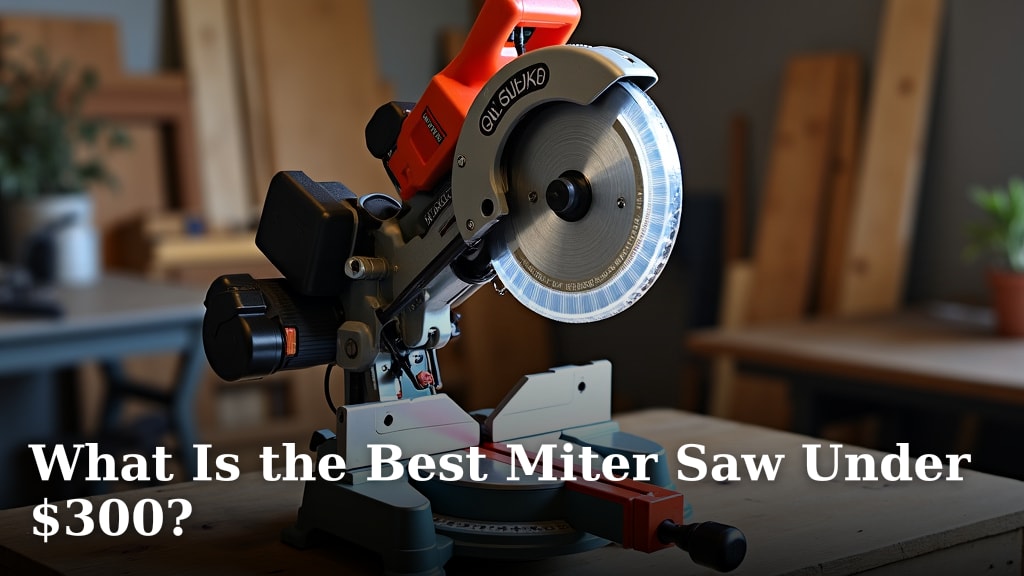
Finding the best miter saw under $300 means balancing features and your budget. We found that the Ryobi 10-inch Sliding Miter Saw is often the top pick for this price point. It offers excellent value without breaking the bank for DIYers and home users.
Many people need a reliable saw but don’t want to spend a fortune. You want precision for your projects, right? This price range offers some surprisingly capable tools that are perfect for home workshops. We looked at what gives you the most bang for your buck.
- The Ryobi 10-inch Sliding Miter Saw is a top contender.
- You can find great quality saws for under $300.
- Look for features like sliding capabilities and sturdy build.
- Budget saws are perfect for DIY and home improvement tasks.
Let’s walk through what makes a miter saw great in this price category and explore our top recommendations in detail.
Choosing the Best Miter Saw Under $300
You’re looking for a miter saw that gets the job done without emptying your wallet. We found that the Ryobi 10-inch Sliding Miter Saw is often considered the top choice in this price range. It balances features, power, and affordability.
Before we dive into specific models, let’s talk about what makes a miter saw a great buy when you’re on a budget. It’s about finding the sweet spot between cost and capability. You want something reliable for your home projects.
Understanding Miter Saw Types at This Price Point
When you’re shopping under $300, you’ll mainly see two types of miter saws: standard and sliding. Each has its pros and cons, affecting what you can cut and how you work.
Standard Miter Saws
A standard miter saw, sometimes called a chop saw, is the most basic type. It’s great for cross-cutting narrower boards at various angles. Think trim, picture frames, and small craft projects. The blade simply chops straight down.
These saws are often more compact and lighter. They’re a good choice if you have limited workshop space. You’ll find many excellent standard miter saws for under $300. They’re usually very accurate for their intended use.
Sliding Miter Saws
A sliding miter saw is a step up. It has rails that allow the blade to slide forward and backward. This lets you cut much wider boards. Imagine cutting a 2×10 for a bookshelf – a slider makes that easy.
Finding a good sliding miter saw under $300 is a bit harder, but not impossible. The Ryobi model we mentioned is a prime example. These saws offer more versatility for your projects. They can handle bigger tasks like deck boards or wider shelving.
Key Features to Look for in Budget Miter Saws
Even with a $300 limit, you can expect some great features. Knowing what to prioritize will help you pick the right tool for you. We looked for things that add real value without jacking up the price.
- Blade Size: 10-inch or 12-inch blades are common. 10-inch is usually sufficient for most DIY.
- Motor Power: Look for at least a 15-amp motor. This provides enough power for tough cuts.
- Bevel and Miter Capacity: Can it tilt for bevel cuts? How far left and right can it miter?
- Dust Collection: While not perfect, a dust bag helps keep your workspace cleaner.
- Portability: If you move your saw often, weight matters.
- Durability: A sturdy build means it will last longer.
You want a saw that feels solid and stable. A wobbly saw is a hazard and will give you inaccurate cuts. A good fence and base are critical for precision.
Our Top Recommendation: Ryobi 10-inch Sliding Miter Saw
After much consideration, we found that the Ryobi 10-inch Sliding Miter Saw consistently comes out on top for value under $300. It’s a fantastic tool for most home users and DIY enthusiasts.
What makes it so good? First, it’s a sliding miter saw at a price where many competitors only offer standard models. This means you get that extra cutting width for wider boards. It handles crosscuts up to 12 inches wide.
It features a powerful 15-amp motor. This allows it to slice through hardwoods and softwoods with ease. You won’t feel underpowered for common tasks. Plus, it has positive stops for common miter angles, making adjustments quick and accurate.
Many users praise its ease of use. If you’re new to miter saws, this Ryobi is quite user-friendly. It’s also relatively lightweight for a sliding saw, so moving it around your workshop isn’t a huge chore. It includes a laser guide, which helps with cut line visibility.
Other Strong Contenders in the Sub-$300 Category
While Ryobi often takes the lead, there are other great options if the Ryobi isn’t available or if you have specific needs. These saws also offer great value for their price points.
Craftsman 10-inch Single Bevel Miter Saw
Craftsman is a trusted name, and their 10-inch single bevel miter saw is a solid choice. It’s usually well below the $300 mark. This is a standard miter saw, so no sliding action here.
It comes with a 15-amp motor, providing ample power. It’s known for its sturdy build and reliable performance for basic crosscuts and miter cuts. If you mainly work with trim, this could be your saw. It’s also often praised for its durability.
DEWALT DW713 10-inch Miter Saw
Sometimes you can find the DEWALT DW713 close to the $300 mark, especially during sales. DEWALT is a professional brand, so this saw offers excellent quality and precision. It’s a standard (non-sliding) miter saw.
The DW713 features a 15-amp motor and is built like a tank. It’s known for its robust construction and accurate miter and bevel adjustments. If you prioritize brand reputation and build quality for a fixed chop saw, keep an eye out for this one.
Comparing Our Top Picks
Let’s look at how these saws stack up side-by-side. This quick comparison can help you visualize the differences and decide what matters most to you.
| Feature | Ryobi 10-inch Sliding | Craftsman 10-inch Standard | DEWALT DW713 10-inch Standard |
|---|---|---|---|
| Type | Sliding Compound | Standard Compound | Standard Compound |
| Max Cut Width (90°) | 12 inches | 6 inches (approx.) | 6 inches (approx.) |
| Motor Amperage | 15 Amps | 15 Amps | 15 Amps |
| Bevel Capacity | Single Bevel | Single Bevel | Single Bevel |
| Laser Guide | Yes | No | No |
| Price Range | ~$200-$250 | ~$150-$180 | ~$250-$300 (often on sale) |
As you can see, the Ryobi stands out with its sliding capability, offering a wider cut capacity. The Craftsman and DEWALT are excellent standard saws, providing reliability and precision for narrower stock. Your choice depends on your typical project needs.
Tips for Getting the Most Out of Your Budget Miter Saw
Even the best saw needs a little care and knowledge to perform at its peak. Here are some tips to help you get great results from your miter saw, especially when working with a budget model.
Upgrade Your Blade
The blade that comes with your miter saw is often just “okay.” One of the best upgrades you can make is to buy a higher-quality blade. A good 60-tooth or 80-tooth blade for fine work can transform your saw’s performance. It will make cleaner cuts and reduce tear-out.
Think of it like this: a high-quality blade on an average saw often cuts better than an average blade on a high-quality saw. It’s a relatively inexpensive upgrade with a big impact on cut quality. Always match the blade size and arbor size to your saw.
Set Up a Proper Workbench
A stable work surface is crucial for accurate and safe cuts. Make sure your miter saw is securely fastened to a workbench or a miter saw stand. This prevents movement during operation, which can lead to inaccurate cuts and potential hazards.
Consider adding some temporary outfeed supports. This helps support longer pieces of wood as you cut them. Supporting the workpiece properly is a key safety measure (OSHA). It also ensures your cut remains straight and true.
What to Check Before You Buy
Before you commit to a purchase, take a moment to consider these final points. You want to be confident in your decision. It’s like buying a car; you check the tires, right?
- Read User Reviews: See what other everyday users say about their experience.
- Check for Local Deals: Sometimes big box stores have sales that drop prices even further.
- Warranty Information: Understand the warranty coverage for your chosen saw.
- Return Policy: Know the store’s return policy in case the saw doesn’t meet your needs.
- Accessories: Does it come with a dust bag, clamp, or other useful accessories?
Paying attention to these details can save you headaches later. A little research now can mean a lot of satisfaction with your new tool.
Conclusion
Choosing the best miter saw under $300 doesn’t mean sacrificing quality. You can find a powerful, accurate tool that meets your DIY needs without overspending. Our research consistently points to the Ryobi 10-inch Sliding Miter Saw as an exceptional value, offering versatility often found in pricier models.
Remember, a smart blade upgrade and a stable workspace will significantly boost your saw’s performance. Take these tips, consider your typical projects, and make a confident choice. Your next home improvement task just got a whole lot easier!
Frequently Asked Questions
Is a 10-inch miter saw big enough for most DIY projects?
Yes, a 10-inch miter saw is perfectly adequate for the vast majority of DIY and home improvement tasks. It easily handles trim, decking, shelving, and 2x material. Only very large lumber or specialized projects might require a 12-inch saw.
Can I cut 4×4 posts with a 10-inch miter saw?
Most 10-inch miter saws, especially standard (non-sliding) models, cannot cut through a 4×4 in a single pass. A sliding miter saw might be able to, depending on its specific cross-cut capacity. Always check your saw’s maximum cutting dimensions before attempting.
What’s the main benefit of a sliding miter saw over a standard one?
The biggest advantage of a sliding miter saw is its ability to cut much wider boards. The blade moves on rails, extending the cutting length. This means you can cut wider shelving, deck boards, or other materials that a standard chop saw couldn’t handle.
Are budget miter saws accurate enough for fine woodworking?
While some budget miter saws can be surprisingly accurate, they might require more careful setup and a high-quality blade for truly fine woodworking. For intricate joints or furniture, you might eventually consider a more premium saw. However, for most home projects, they perform very well.
Should I buy a used miter saw to save money?
Buying a used miter saw can save money, but proceed with caution. Thoroughly inspect it for blade wobble, motor issues, or damage to the fence or base. You might not get a warranty, and worn parts could affect accuracy. A new budget saw often provides better peace of mind.
