
How Much Does a Good Miter Saw Blade Cost?
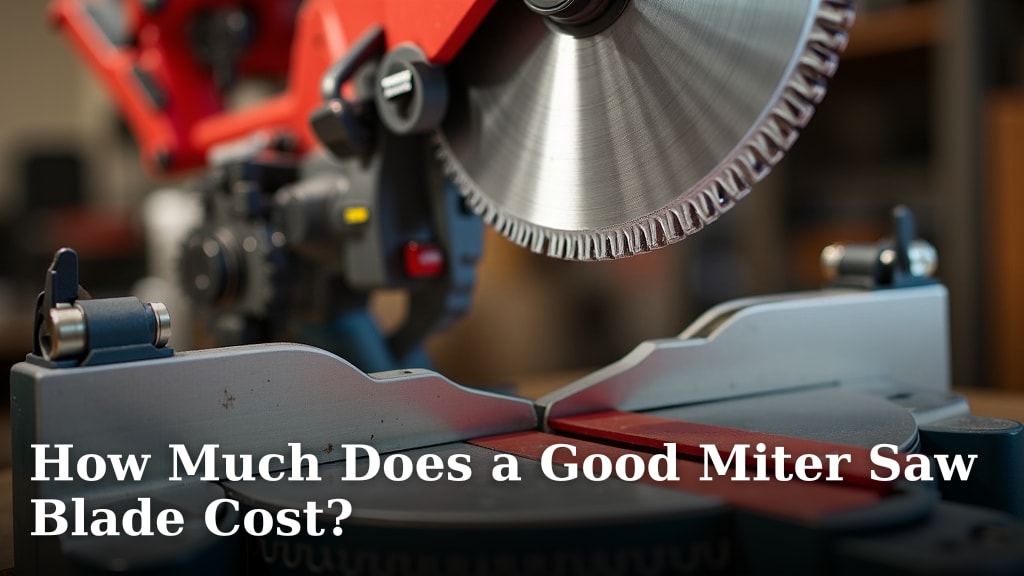
A good miter saw blade typically costs between $40 and $100, though specialty blades can go higher. This price range gives you a great balance of performance and durability for most DIY and professional woodworking projects.
When you’re choosing a blade, the cost often reflects its quality and intended use. Cheaper blades might get the job done for simple cuts, but they can quickly dull or warp. Investing a bit more usually means cleaner cuts and a longer-lasting blade.
- Miter saw blades usually cost $40-$100.
- Price depends on quality, brand, and type.
- Good blades offer better cuts and last longer.
- Match the blade to your project needs.
Ready to find the perfect blade for your miter saw? Let’s look at what makes a blade worth its price, and how you can pick the best one for your projects. Our guide to the best miter saw blade can help you find top-rated options for your projects.
What Influences Miter Saw Blade Pricing?
The cost of a miter saw blade isn’t just a random number. It’s often a direct reflection of several factors. Understanding these can help you see why some blades cost more than others.
We found that the materials used, the manufacturing process, and the blade’s specific design all play a big part. Think of it like comparing a basic screwdriver to a precision torque wrench. Both do a job, but one has more engineering behind it.
Blade Material and Construction
The core of any good miter saw blade is its material. You’ll find blades made from different types of steel, each with its own characteristics. These choices directly impact performance and longevity.
Steel Type
Most quality miter saw blades start with a high-carbon steel body. This provides strength and flexibility. But it’s the tips that do the real work.
Many blades feature carbide tips. This is a very hard material. It helps the blade stay sharp longer. The higher the quality of the carbide, the more expensive the blade might be.
Some premium blades use a C3 or C4 grade carbide. This means it’s more durable and can handle tougher materials (Tool Digest).
Tooth Count and Configuration
The number of teeth on a blade matters a lot for its price and performance. Blades with more teeth are generally more expensive. Why? Because more teeth mean more material and more precise manufacturing.
- Low Tooth Count (24-40 teeth): These are usually cheaper. They’re best for fast, rough cuts, like cutting framing lumber. They remove material quickly.
- Medium Tooth Count (40-60 teeth): A great all-around choice. They balance speed and cut quality. This range often gives you the most bang for your buck for general woodworking.
- High Tooth Count (60-100+ teeth): These blades are typically the most expensive. They deliver very smooth, fine cuts. They’re perfect for finish work or cutting delicate materials.
The configuration of the teeth also influences cost. Some blades have alternating top bevel (ATB) teeth for cleaner crosscuts. Others use triple chip grind (TCG) teeth for cutting harder materials like laminates and plastics (Woodworking Journal).
Brand Reputation and Warranty
Just like with cars or tools, brand name plays a role in miter saw blade pricing. Established brands often charge a bit more, but you often get more too.
Why do some brands cost more? They invest heavily in research and development. They use better materials and stricter quality control. This often leads to a more reliable and longer-lasting product.
Think about a blade from a well-known brand like Freud, Diablo, or Forrest. They tend to be more expensive than generic blades. But they often come with better warranties and customer support. This can be a huge benefit if you ever have an issue.
Average Cost for Different Miter Saw Blade Types
Miter saw blades come in many forms, each designed for specific tasks. The type of blade you need will significantly affect its price. Let’s break down some common categories.
General Purpose Blades
These are your workhorse blades. They aim to offer a good balance for various tasks. You might use them for both crosscutting and ripping. They usually have a medium tooth count, perhaps 40-60 teeth.
We found that general purpose blades typically cost between $40 and $70. This makes them a popular choice for many DIYers and hobbyists. They offer good performance without breaking the bank.
They’re a solid starting point if you’re not sure exactly what you’ll be cutting. You get decent cuts across a range of materials.
Crosscut and Finish Blades
When you need a super clean cut, especially on visible pieces, you’ll reach for a crosscut or finish blade. These blades have a higher tooth count, usually 60 to 100 teeth or more.
These blades are designed to leave a very smooth surface. They reduce tear-out significantly. This is great for trim, cabinets, or furniture components.
Expect to pay a bit more for these specialized blades. We found them typically in the $60 to $100+ range. The extra cost is for the precision and the amount of carbide used.
Specialty and Material-Specific Blades
Sometimes your projects require something a little different. That’s where specialty blades come in. They are designed for very specific materials or cutting needs. This can include cutting non-ferrous metals like aluminum, laminates, or even plastics.
These blades feature unique tooth geometries and material compositions. They are engineered for peak performance on their intended material. For example, a metal-cutting blade will have different tips than a wood blade.
The cost for these can vary widely, but they often fall into the $80 to $150+ range. You’re paying for specialized engineering and materials. Do you really need to cut aluminum with your miter saw? If so, this is your blade.
| Blade Type | Typical Tooth Count | Average Price Range | Best For |
|---|---|---|---|
| General Purpose | 40-60 | $40 – $70 | Everyday cuts, framing, general woodworking |
| Crosscut/Finish | 60-100+ | $60 – $100+ | Fine trim, cabinet parts, smooth finishes |
| Specialty (e.g., Metal, Laminate) | 60-100 (specific geometries) | $80 – $150+ | Aluminum, plastics, composite decking, specific materials |
Is a More Expensive Miter Saw Blade Always Better?
It’s a common question: does spending more money guarantee a better blade? Not always, but there’s a strong correlation. A higher price often means better quality, but only up to a point.
We’ve found that budget blades under $20 often disappoint. They can dull quickly, vibrate more, and leave rough cuts. This means more sanding for you. They’re fine for a one-off project, but not for regular use.
However, once you get into the $40-$100 range, you’re usually buying a very capable blade. These offer a great balance of features, performance, and durability. Going above $100 might get you incremental gains, but you may not notice it for most home projects.
When to Invest in a Premium Blade
So, when does it make sense to splurge a bit? If your projects demand precision and a flawless finish, a premium blade is a wise investment. Think about fine furniture or intricate trim work.
A more expensive blade will often stay sharp longer. It will also reduce the chances of tear-out. This saves you time on sanding and rework. Many professional woodworkers swear by these blades for their consistency (Fine Woodworking Magazine).
Consider the materials you’re cutting. If you’re frequently working with expensive hardwoods, veneers, or delicate laminates, a cheap blade can cost you more in wasted material than its purchase price.
When a Mid-Range Blade is Perfect
For most DIY enthusiasts and even many professional contractors, a mid-range blade is often the sweet spot. These blades offer excellent performance without the top-tier price tag.
They handle common tasks like cutting lumber, plywood, and MDF very well. They strike a great balance between cut quality, speed, and durability. Many people find these blades to be the best value.
Don’t feel pressured to buy the most expensive blade if your projects don’t demand that level of perfection. A $50-$70 blade can serve you very well for years.
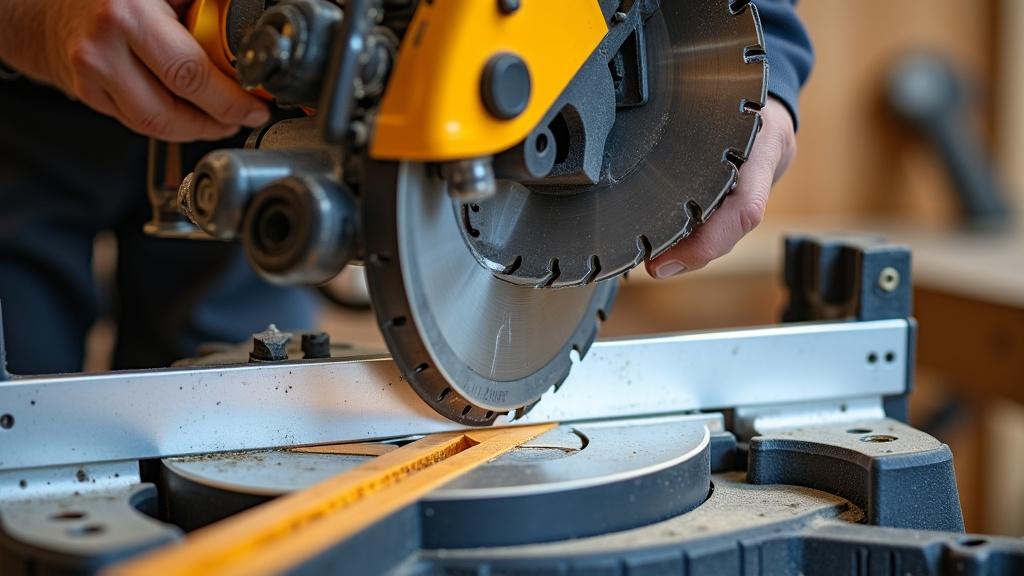
Tips for Maximizing Your Blade’s Life and Value
Once you’ve invested in a good miter saw blade, you want to make it last. Proper care and usage can significantly extend its life. This helps you get the most value for your money.
Think of it like taking care of your car. Regular maintenance keeps it running smoothly and efficiently. The same goes for your saw blade.
Maintain Your Blade Properly
A clean blade is a happy blade. Sap and pitch can build up on your blade. This makes it less efficient and can cause it to heat up. This dulls it faster.
- Clean your blade regularly with a specialized blade cleaner.
- Inspect teeth for damage before each use.
- Store your blade properly to prevent rust and damage.
- Consider professional sharpening when it starts to dull.
Professional sharpening can breathe new life into a dull blade. It’s usually much cheaper than buying a brand new one. Find a reputable sharpening service in your area (This Old House).
Use the Right Blade for the Job
This is crucial for both performance and longevity. Using a general-purpose blade for fine finish work will not give you the best results. Using a high-tooth count blade for rough framing will dull it quickly.
Match the blade to the material and the cut type. Have dedicated blades for different tasks if you can. This will ensure each blade performs optimally and lasts longer. Don’t use your fine finish blade to cut pressure-treated lumber, for example.
Cut Safely and Smartly
Proper cutting techniques also protect your blade. Don’t force the saw through material. Let the blade do the work. Overloading the motor or forcing cuts can bend the blade or chip teeth.
Always ensure your material is properly supported and clamped. This reduces vibration and kickback. Both can damage your blade and create unsafe conditions. A steady, controlled cut is always best for both you and your blade.
Conclusion
Choosing the right miter saw blade doesn’t have to be complicated. You’ve learned that a good blade typically costs between $40 and $100, with the price reflecting its materials, construction, and brand. While more expensive blades offer premium performance for specific tasks, a mid-range option often provides the best value for most of your projects.
Invest in quality, but always match the blade to your needs. Proper maintenance and smart usage will extend your blade’s life, ensuring you get clean, precise cuts every time. Pick the blade that makes sense for your work, and you’ll be happy with the results.
Frequently Asked Questions
How often should I replace my miter saw blade?
There’s no set schedule; it depends on how often you use it and what you cut. Replace your blade when you notice cuts becoming rough, you see tear-out, or if the blade vibrates excessively. Sometimes, a professional sharpening can extend its life before needing a full replacement.
Can I use a miter saw blade on a table saw?
While some blades are designed for both miter and table saws, it’s generally best to use blades specifically made for each tool. Miter saw blades are optimized for crosscutting, while table saw blades often need to handle ripping. Always check the manufacturer’s recommendations and the blade’s specifications.
What does “kerf” mean when buying a blade?
Kerf refers to the width of the cut that the saw blade makes in the material. Thinner kerf blades remove less material, which can be beneficial for fine woodworking or expensive lumber. Wider kerf blades are generally sturdier and can handle tougher materials, but they produce more sawdust.
Are thinner miter saw blades better?
Not necessarily “better,” but thinner kerf blades (often 3/32″ or less) offer certain advantages. They require less power from your saw and create less waste. However, they can be more prone to deflection or warping if not used carefully, especially on harder materials or with underpowered saws.
How do I know if my miter saw blade is dull?
You’ll notice several signs: your saw will have to work harder, cuts will be rougher with more splintering (tear-out), the blade might burn the wood, and you might experience more vibration. If you see these, it’s time for cleaning, sharpening, or replacement.
