
Why Is My Miter Saw Stand Wobbly?
Your miter saw stand is wobbly because of loose bolts, worn-out parts, or an uneven floor. A shaky stand means less precise cuts and a frustrating woodworking experience. You can fix most wobbly miter saw stands with simple adjustments.
We found that a wobbly stand isn’t just annoying; it’s a safety concern for any workshop. Addressing the cause of the wobble is key to ensuring accurate cuts and a stable workspace. Many common issues can be resolved with basic maintenance.
- Loose bolts are a primary culprit.
- Check for worn-out or damaged components.
- An uneven workshop floor can cause instability.
- Regular maintenance prevents future wobbles.
Let’s walk through the common reasons for a wobbly miter saw stand and how you can quickly get it stable again. If your stand is wobbly, learn how to properly set up a miter saw stand for maximum stability.
“`htmlTroubleshooting a Wobbling Miter Saw Stand
You’ve probably noticed your miter saw stand is a bit wobbly. It makes you question the stability of your setup. A shaky stand can lead to uneven cuts. This is frustrating when you’re trying to get precise results. Fortunately, most wobbly stands are fixable. Let’s figure out why yours is shaky.
Common Culprits Behind a Shaky Miter Saw Stand
Loose Connections: The Usual Suspects
The most frequent reason for a wobbly miter saw stand is simple: loose bolts. Over time, vibrations from the saw can loosen fasteners. Think of it like a loose screw on a chair; it makes the whole thing unstable. We’ve found that checking these points is always the first step.
Frame Bolts
Your stand likely has several bolts connecting the main frame pieces. Grab a wrench and give each one a good tightening. Don’t overtighten, but make sure they are snug. This is often all it takes to firm things up.
Leg Braces and Supports
Miter saw stands often have cross-braces or supports for the legs. These are critical for stability. Check the bolts or screws holding these in place. If a brace feels loose, tighten its connections. You might even need to replace a bent or damaged brace.
Saw Mounting Hardware
The bolts that attach your miter saw to the stand can also loosen. Ensure these are tight. A loose saw can easily throw off the entire stand’s balance. Make sure your saw sits flush on the mounting surface before tightening.
Worn-Out or Damaged Components
Sometimes, the issue isn’t just loose bolts. Parts can wear down or get damaged over time. This is especially true if you use your stand frequently or in demanding conditions. Identifying worn parts is key to restoring stability.
Worn Bushings or Bearings
Some stands use bushings or small bearings in pivot points, like where legs fold or adjust. If these are worn or missing, you’ll feel excessive play. This play translates to a wobble. You might need to replace these small but important parts.
Bent or Damaged Legs
Accidents happen. A leg might get bent if the stand is dropped or overloaded. Even a slight bend can prevent a leg from sitting flat on the ground. Inspect each leg for any signs of damage. A bent leg will require repair or replacement.
Cracked or Broken Parts
Look for any cracks in the metal or plastic components of your stand. A small crack can weaken a part significantly, leading to instability. If you find a crack, that component needs to be replaced for safety and stability.
The Floor Beneath Your Stand
Believe it or not, the surface your miter saw stand sits on can be a major factor. Even a seemingly flat floor might have subtle slopes or unevenness. This is a common issue in many workshops.
Uneven Workshop Floors
Workshop floors are rarely perfectly level. You might have concrete that’s settled over time, or a wooden floor that has some give. If your stand is on an incline, one leg will bear more weight, causing a wobble. Try to position your stand on the most level part of your floor.
Solutions for Uneven Surfaces
You can use shims to level the stand. Small pieces of wood or specialized leveling feet can make a big difference. We found that carefully placing shims under the shorter legs can stabilize the entire unit. Adjust until the stand feels rock-solid. Many experts suggest using self-leveling feet if your stand supports them.
Quick Checks and Maintenance for Stability
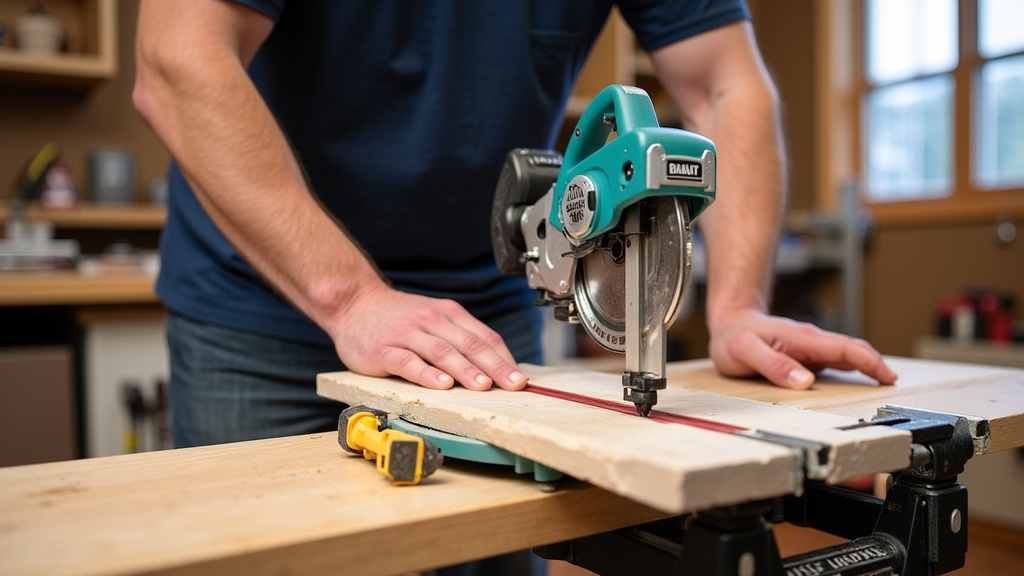
Regular maintenance is your best defense against a wobbly stand. A few minutes spent checking your equipment can save you headaches later. Think of it like an oil change for your car; it prevents bigger problems.
Pre-Operation Checklist
Before you start any cutting, take a moment to inspect your miter saw stand. A quick check can catch developing issues. This habit will save you time and ensure safer operation.
- Ensure all legs are fully extended and locked.
- Check that no legs are bent or damaged.
- Verify that the saw is securely mounted.
- Confirm there are no loose bolts or fasteners.
- Test the stand for any side-to-side wobble.
Lubrication and Cleaning
Sometimes, stiff joints or accumulated dust can make parts seem loose or unstable. Keeping your stand clean and lubricated can help. Pay attention to pivot points and folding mechanisms. A bit of spray lubricant can make a world of difference.
Storage and Handling
How you store and handle your miter saw stand matters. Avoid leaning heavy objects against it or storing it in a way that could bend its frame. Careful handling during transport also prevents damage. Treat it with care, and it will serve you better.
When to Consider an Upgrade
If you’ve tried all the fixes and your stand is still wobbly, it might be time for a new one. Stands with a wider base or heavier construction are often more stable. Look for models designed for maximum stability. Research suggests that stands with more robust leg designs offer better performance (Popular Mechanics). If you’ve tried all the fixes and your stand is still wobbly, it might be time for a new one.
A wobbly stand is more than just an annoyance; it’s a potential hazard. By understanding the common causes and performing regular checks, you can keep your miter saw stand stable and your cuts accurate. Let’s get your workshop back in solid shape!
“`Conclusion
You’ve learned that a wobbly miter saw stand usually comes down to a few common issues. Loose bolts, worn parts, or an uneven floor are the usual culprits. Regularly checking and tightening connections is your best bet for a stable setup. Addressing these points means you’ll get more accurate cuts and a safer workspace. Don’t let a shaky stand hold you back – take a few minutes to tighten things up and get back to your projects with confidence.
Frequently Asked Questions
How often should I check my miter saw stand for wobbles?
It’s a good practice to do a quick wobble check before each use, especially if you move your stand frequently. A more thorough inspection of bolts and components every few months can also prevent issues from developing.
Can I use my miter saw on an uneven surface temporarily?
While you can use shims to temporarily level the stand on an uneven surface, it’s not ideal for precise work. For consistent and accurate cuts, always try to set up your stand on the most level spot available in your workshop.
What if a leg on my miter saw stand is bent?
If a leg is slightly bent, you might be able to carefully straighten it using a vise or hammer. However, if the bend is severe or compromises the structural integrity of the leg, it’s best to replace it for safety reasons.
Are more expensive miter saw stands less likely to wobble?
Generally, stands with heavier construction, wider bases, and higher-quality materials tend to offer better stability and are less prone to wobbling. However, even premium stands require regular maintenance to stay firm.
What kind of lubricant should I use on my miter saw stand?
A light-duty spray lubricant, like WD-40 or a silicone-based spray, is usually sufficient for cleaning and lubricating pivot points and folding mechanisms on your miter saw stand. Avoid heavy greases that can attract dust.
