
Do You Need Hearing Protection for a Miter Saw?
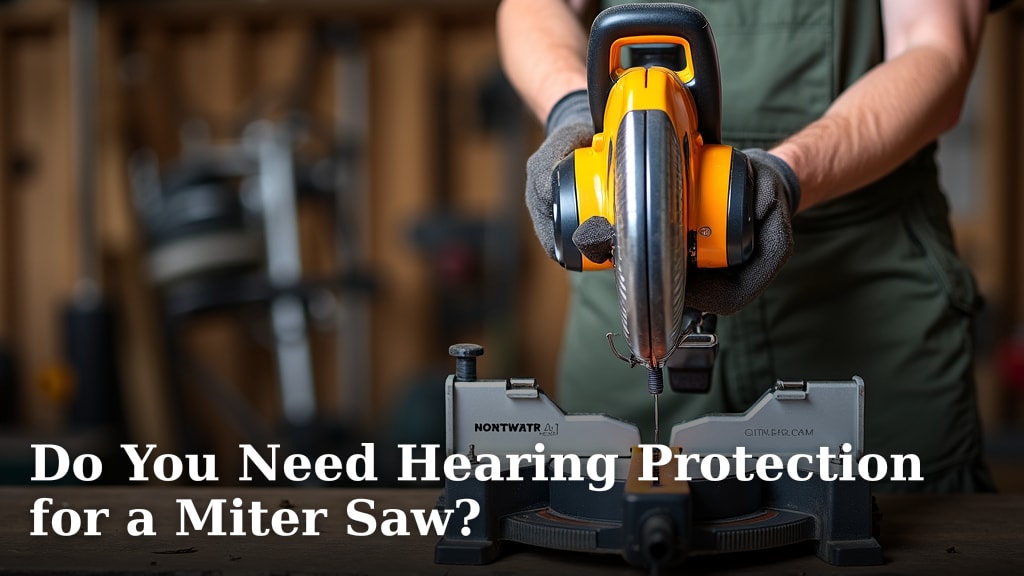
Yes, you absolutely need hearing protection when using a miter saw. The loud noise produced by these saws can cause Protecting your eyes with safety glasses is also crucial when using a miter saw.permanent hearing damage over time. It’s not just about comfort; it’s about protecting your long-term health.
Many woodworking tools create noise levels that can harm your ears. A miter saw is one of the louder offenders, often exceeding safe decibel limits. Protecting your hearing means using the right kind of protection every time you operate the saw.
- Miter saws are very loud.
- Exposure can cause permanent hearing loss.
- Always wear hearing protection.
- Choose earplugs or earmuffs for best results.
Let’s walk through why hearing protection is so important for miter saws and what options are best for you.
Protecting Your Ears While Using a Miter Saw
So, you’ve got a miter saw, and you’re ready to tackle some projects. That’s fantastic! But before you make that first cut, let’s talk about your ears. Using a miter saw without hearing protection is like driving without a seatbelt. You might get away with it for a while, but the risk of serious, permanent damage is just too high. Your hearing is precious, and once it’s gone, it doesn’t come back.
How Loud is a Miter Saw, Really?
Miter saws are powerful tools. They spin a blade at high speeds to make quick, clean cuts. This action creates a lot of noise. We’re not talking about a gentle hum here. We’re talking about a roar. Research consistently shows that miter saws operate at noise levels well above what’s considered safe for your hearing.
In fact, many miter saws can produce sound levels between 95 and 105 decibels (dB). For comparison, a normal conversation is around 60 dB. A loud concert might reach 110 dB. The Centers for Disease Control and Prevention (CDC) states that prolonged exposure to sounds at or above 85 dB can cause hearing loss. With a miter saw, you’re often exceeding that limit significantly in a very short time.
The Real Danger: Noise-Induced Hearing Loss
Noise-Induced Hearing Loss (NIHL) is a serious issue. It happens when tiny hair cells in your inner ear get damaged. These cells are responsible for sending sound signals to your brain. Once they’re damaged or destroyed by loud noise, they can’t regenerate. This leads to permanent hearing impairment.
It’s not just about the volume, but also the duration of exposure. However, with tools like miter saws, the volume is so high that even short exposure times can be damaging. Think of it like water dripping on a rock. A single drop doesn’t do much. But over time, a constant drip can wear away the rock. Loud noise does a similar kind of damage to your ears over repeated exposures.
The damage from NIHL can manifest in several ways:
- Difficulty understanding speech, especially in noisy environments.
- Muffled hearing.
- Tinnitus, which is a ringing or buzzing sound in your ears that isn’t caused by an external sound.
- Reduced ability to hear high-frequency sounds.
Many people don’t realize they’re damaging their hearing until it’s too late. They might just think their hearing is “getting older.” But often, it’s the cumulative effect of loud noises from work or hobbies.
Choosing the Right Hearing Protection
The good news is that protecting your hearing is straightforward and affordable. You just need to pick the right gear and wear it consistently. For miter saws, you’ll want protection that offers a high Noise Reduction Rating (NRR).
Earplugs vs. Earmuffs
You have two main options: earplugs and earmuffs. Both can be effective, but they work differently and offer different levels of comfort and convenience.
Earplugs
Earplugs are inserted directly into your ear canal. They come in a few types:
- Disposable foam earplugs: These are the most common and affordable. You roll them up, insert them, and they expand to fill your ear canal. They’re great for a single use or for keeping a stash in your toolbox. When inserted correctly, they can offer excellent protection.
- Reusable silicone or rubber earplugs: These are more durable and can be cleaned and reused. They often come with a carrying case.
- Custom-molded earplugs: For the ultimate in comfort and fit, you can get earplugs molded specifically to your ear. These are more expensive but offer a superb seal and can be very comfortable for long periods.
The key with any earplug is a proper seal. If you can hear the saw clearly, or if noise is leaking in around the edges, they aren’t working effectively. Many experts recommend tucking your earlobe while inserting foam earplugs to ensure they expand fully and create a tight seal (Occupational Safety and Health Administration – OSHA).
Earmuffs
Earmuffs cover your entire ear from the outside. They have padded cups that create a seal around your ear. They are generally easier to put on and take off than earplugs, which can be convenient when you need to have brief conversations or step away for a moment.
When choosing earmuffs, look for a high NRR. Some earmuffs also offer features like built-in radios or connectivity for your phone, which can make longer work sessions more enjoyable, but the primary function is protection.
Understanding the Noise Reduction Rating (NRR)
The NRR is a number found on the packaging of hearing protection devices. It indicates how much the device is designed to reduce noise in decibels. A higher NRR means more protection.
For miter saws, which are very loud, you should aim for hearing protection with an NRR of at least 25 dB or higher. Some earplugs and earmuffs can offer NRR values of 30 dB or more.
It’s important to remember that the NRR is an estimate under ideal laboratory conditions. In real-world use, the actual reduction might be slightly less. This is why it’s so important to ensure you have a good seal, whether you’re using earplugs or earmuffs.
When Both Earplugs and Earmuffs Are Best
For extremely noisy environments or when you need the highest level of protection, you might consider wearing earplugs *and* earmuffs at the same time. This is called “double protection.”
This combination can provide an NRR that is higher than either device alone. Many professionals in very loud settings, like construction sites or airport hangars, use this method. If you find that even good earmuffs don’t block out enough noise from your miter saw, double protection is an excellent strategy.
Making Hearing Protection a Habit
The best hearing protection is the kind you actually use. Think of it as just another essential tool in your workshop, like your safety glasses or gloves. You wouldn’t start cutting without safety glasses, right? Treat your hearing protection the same way.
Simple Steps for Consistent Protection
Here are a few tips to make sure your ears stay safe:
- Keep it accessible: Store your earplugs or earmuffs right next to your miter saw. The easier they are to grab, the more likely you are to use them.
- Make it part of your setup routine: Before you even plug in your saw, put on your hearing protection.
- Educate everyone who uses the saw: If anyone else in your household uses your miter saw, make sure they understand the importance of hearing protection.
- Check for damage: Regularly inspect your earmuffs for tears in the padding and your earplugs for any signs of wear. Damaged protection won’t work as well.
- Replace when needed: Foam earplugs should be replaced regularly. Earmuffs might need new earcups over time.
- Practice makes perfect: The more you wear your hearing protection, the more natural it will feel.
What If You Already Notice Hearing Issues?
If you’re already experiencing ringing in your ears (tinnitus) or a feeling of muffled hearing, please consult a medical professional. They can assess the extent of any hearing loss and offer advice on managing it. Early intervention is key, and a doctor specializing in ear health can guide you.
Remember, hearing is a gift. It allows you to enjoy music, conversations, and the sounds of nature. Don’t let the noise from your tools take that away. By making hearing protection a non-negotiable part of your miter saw routine, you’re investing in your long-term health and well-being.
Hearing Protection Checklist for Miter Saw Use
Here’s a quick rundown to ensure you’re always protected:
- Assess the NRR: Always choose protection with an NRR of 25 dB or higher.
- Proper Fit is Key: Ensure earplugs create a seal or earmuffs cup your ears fully.
- Keep it Handy: Store your protection directly next to your saw.
- Routine Check: Before starting, always put on your earplugs or earmuffs.
- Inspect Regularly: Check for any wear or damage to your protective gear.
- When in Doubt, Double Up: For maximum protection, consider wearing earplugs under earmuffs.
Conclusion
You’ve learned that using a miter saw without hearing protection isn’t just uncomfortable, it’s a real risk to your hearing. The noise levels can cause permanent damage over time. The good news is that effective protection like earplugs and earmuffs is readily available and affordable. Don’t wait for your hearing to fade. Make it a habit to grab your hearing protection before every cut. Your future self will thank you for protecting this precious sense.
Frequently Asked Questions
Can I just turn the miter saw off for a few seconds to talk to someone?
While this might seem like a quick fix, it’s not ideal. The loud noise from a miter saw is still damaging even for short bursts. It’s best to put on your hearing protection and keep it on for the entire time the saw is running, even during brief pauses.
What is the minimum NRR I should look for in hearing protection for my miter saw?
For miter saws, which are quite loud, you should aim for hearing protection with a Noise Reduction Rating (NRR) of at least 25 dB. Many options offer even higher NRR values, providing even better protection against noise-induced hearing loss.
Are custom-molded earplugs worth the extra cost for miter saw use?
If you use your miter saw frequently or for extended periods, custom-molded earplugs can be a great investment. They offer a superior fit and seal, which can lead to greater comfort and more consistent protection compared to standard earplugs.
How often should I replace my foam earplugs?
Disposable foam earplugs are designed for single use or limited reuse. If they become dirty, lose their elasticity, or don’t create a good seal anymore, it’s time to replace them. Keeping a fresh supply in your toolbox is a good idea.
Can my kids be around when I use my miter saw if they wear hearing protection?
It’s safest to keep children and other non-essential personnel away from the immediate area when operating a miter saw. Even with hearing protection, the noise and flying debris can be hazardous. Always ensure everyone in your workspace understands the risks and safety protocols.
