
What Safety Gear Do You Need for a Miter Saw?
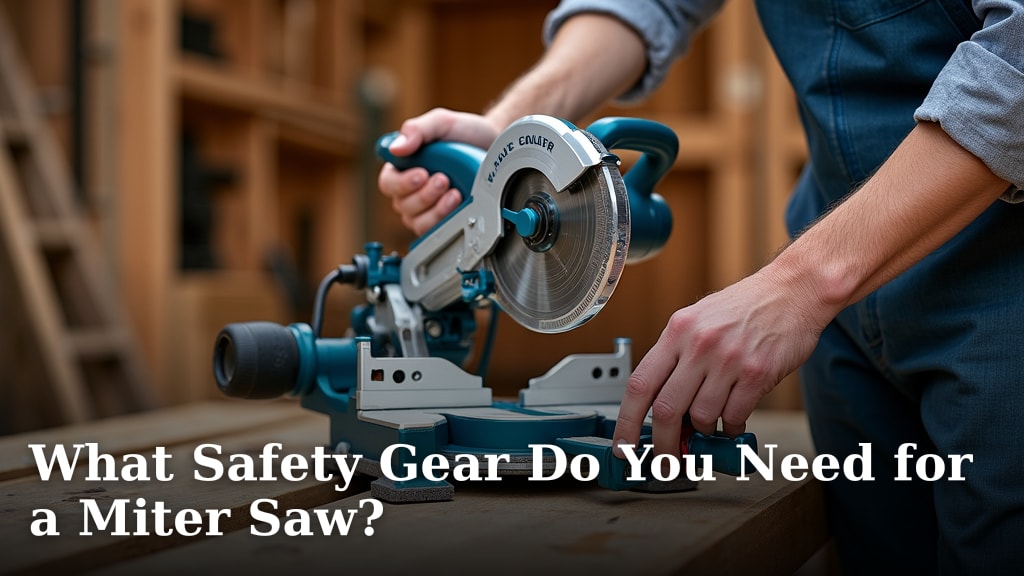
When using a miter saw, you need safety glasses, hearing protection, and a dust mask to stay safe. These are the absolute essentials to protect yourself from flying debris, loud noises, and fine wood particles. Think of them as your woodworking armor. You wouldn’t go into battle without protection, right?
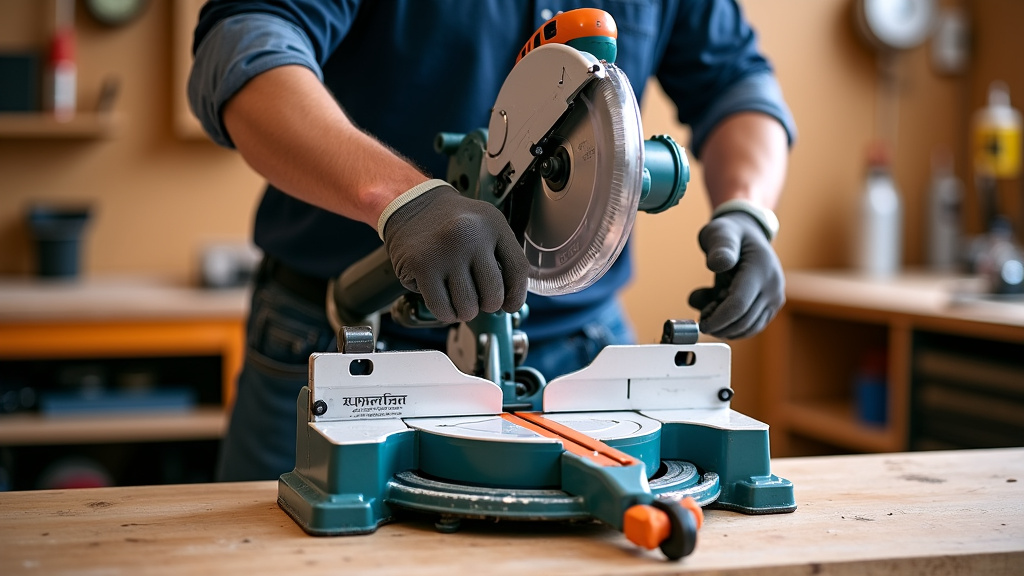
Beyond the basics, consider adding work gloves and closed-toe shoes to your gear. While some debate gloves due to entanglement risks, research suggests they can help prevent minor cuts. Always use gloves that fit well. Good footwear protects your feet from dropped objects or stray sawdust. Staying safe means being prepared for a few different scenarios.
- Wear safety glasses to protect your eyes.
- Use hearing protection to prevent ear damage.
- A dust mask keeps sawdust out of your lungs.
- Gloves and closed-toe shoes add extra protection.
Let’s walk through exactly what safety gear you need and why it’s so important for your miter saw projects.
Here’s the main body content for your blog post:Essential Safety Gear for Your Miter Saw Projects
Using a miter saw can be incredibly rewarding. You can create precise cuts for all sorts of woodworking jobs. But with that power comes responsibility. Protecting yourself should always be your top priority. Let’s make sure you have the right gear.
Eye Protection: Your First Line of Defense
Flying debris is a major concern with any power tool. Sawdust, wood chips, and even small bits of metal can become projectiles. This is where good eye protection becomes absolutely non-negotiable. You only get one set of eyes, so let’s keep them safe.
Why Safety Glasses Are a Must
Safety glasses are designed to shield your eyes from impacts. They should fit snugly against your face. This prevents particles from getting around the edges. Look for glasses that meet the ANSI Z87.1 standard. This is a widely recognized safety certification for eye protection in the US.
We found that many DIYers often overlook this step. They might think they’re just doing a quick cut. But accidents can happen in an instant. A small splinter flying at high speed can cause serious eye injury. It’s always better to be safe than sorry when it comes to your vision.
Considering Goggles for Extra Protection
For jobs that create a lot of dust or flying debris, safety goggles can offer even better protection. They create a tighter seal around your eyes. This can be especially helpful if you wear prescription glasses. Some goggles are designed to fit comfortably over them.
Hearing Protection: Saving Your Ears for the Future
Miter saws are loud tools. Prolonged exposure to loud noise can lead to permanent hearing damage. You might not notice it right away, but the damage is cumulative. Think of your hearing like a bank account; once the money is gone, it’s hard to get it back.
Understanding Noise Levels
Most miter saws operate at noise levels that can be harmful. The Occupational Safety and Health Administration (OSHA) recommends that prolonged exposure to noise above 85 decibels (dB) can cause hearing loss. Many miter saws easily exceed this level during operation (OSHA).
Even if you only use your saw occasionally, it’s wise to protect your hearing. Your ears work hard for you every day. Let’s give them the break they deserve. Preserving your ability to hear your loved ones and enjoy your hobbies is incredibly important.
Types of Hearing Protection to Consider
You have a few good options for hearing protection. Earplugs are a simple and effective choice. They fit directly into your ear canal. Disposable foam earplugs are readily available. Reusable silicone or custom-molded earplugs offer a more comfortable and durable solution.
Earmuffs offer another excellent level of protection. They cover your entire ear. Many earmuffs are designed to be comfortable for extended wear. Some models even come with built-in radio or MP3 players, which can make longer work sessions more enjoyable (though this can also be a distraction). We found that earmuffs that are adjustable tend to offer the best fit for most people.
Respiratory Protection: Breathing Easy Through Your Project
Sawdust isn’t just annoying; it can be harmful to your lungs. Fine wood particles can become airborne. Inhaling them over time can lead to respiratory problems. Protecting your airways is just as vital as protecting your eyes and ears.
The Dangers of Wood Dust
Wood dust contains fine particles. These can irritate your respiratory system. Some types of wood, like hardwoods, can produce dust that is more irritating or even toxic (National Toxicology Program). Short-term exposure can cause coughing and sneezing. Long-term exposure is linked to more serious conditions like bronchitis and asthma.
We found that even for quick cuts, a fine layer of dust settles everywhere. This dust can easily become airborne when you make your next cut. A simple dust mask can make a big difference in keeping your lungs clear and healthy. It’s a small step with a big impact.
Choosing the Right Dust Mask
For general woodworking with a miter saw, a disposable N95 respirator mask is a good starting point. The “N95” designation means it filters out at least 95% of airborne particles. These masks are designed to fit snugly around your nose and mouth.
Ensure the mask you choose has an exhalation valve. This valve can make breathing easier and help reduce moisture buildup inside the mask. Proper fit is key. If you wear glasses, make sure the mask doesn’t interfere with their seal, as this can cause your glasses to fog up. Some experts suggest that if you are sensitive to dust or working with exotic woods, you might consider a higher level of respiratory protection, like a half-face respirator with P100 filters.
Additional Protective Gear for Enhanced Safety
While the essentials cover the most critical risks, a few other items can significantly improve your overall safety experience. These might not be as immediately obvious, but they contribute to a more secure work environment.
Work Gloves: A Protective Layer for Your Hands
The debate around work gloves and miter saws is interesting. Some worry about gloves getting caught in the blade. However, research suggests that well-fitting work gloves can offer protection against minor cuts and splinters (American Academy of Orthopaedic Surgeons). The key is to choose gloves that fit properly. They should not be loose or baggy.
Look for gloves made from durable materials like leather or synthetic fabrics. They should provide a good grip on your workpiece. If you feel they hinder your dexterity or control, or if they feel loose, it’s best to go without them for miter saw use. Always test the fit and feel before you start cutting.
Footwear: Protecting Your Foundation
What you wear on your feet matters. You need sturdy, closed-toe shoes. This protects your feet from dropped tools or lumber. Sawdust can also accumulate on the floor, making it slippery. Good traction on your footwear is a plus.
Avoid open-toed shoes, sandals, or flimsy sneakers. These offer little protection. Steel-toe boots are an excellent option if you are working with heavy materials. They provide the best defense against crushing injuries. A good pair of work boots or sturdy athletic shoes will serve you well.
Work Clothes: Keep it Simple and Safe
Loose-fitting clothing can be a hazard around rotating machinery. It can get caught in the blade or other moving parts. Opt for snug-fitting shirts and pants. Avoid dangling sleeves, drawstrings, or jewelry that could snag.
A Quick Safety Gear Checklist
Here’s a quick rundown to help you prepare for your next miter saw project:
- Safety Glasses or Goggles: ANSI Z87.1 certified for eye protection.
- Hearing Protection: Earplugs or earmuffs to prevent hearing damage.
- Dust Mask: N95 or higher rating for respiratory protection.
- Work Gloves: Snug-fitting for hand protection against splinters (optional, but recommended if fit is good).
- Closed-Toe Shoes: Sturdy footwear with good traction.
- Appropriate Clothing: Avoid loose garments that could snag.
Conclusion
You’ve learned that staying safe with your miter saw is about more than just avoiding accidents. It’s about protecting your long-term health. From ANSI-certified safety glasses to effective hearing protection and breathable dust masks, each piece of gear plays a vital role. Don’t forget about sturdy footwear and well-fitting work gloves for added security. Before your next project, take a moment to gather your essential safety equipment. You’ll build with confidence knowing you’ve prepared properly.
Frequently Asked Questions
What are the most critical safety items I can’t skip for miter saw use?
The absolute essentials you should never skip are ANSI Z87.1 certified safety glasses and some form of hearing protection like earplugs or earmuffs. A dust mask, at least an N95, is also critical to protect your lungs from sawdust.
Can I wear my regular prescription glasses instead of safety glasses?
While regular prescription glasses offer some protection, they are not designed to withstand the impact of flying debris from a miter saw. For best results, we recommend wearing ANSI Z87.1 certified safety glasses over your prescription glasses or using specialized safety goggles that fit comfortably with them.
How do I know if my work gloves are safe to use with a miter saw?
The key is a snug fit. Your work gloves should fit like a second skin, without any loose material that could get caught in the blade. Leather or synthetic gloves that offer good dexterity and grip are generally a good choice for protecting against minor cuts and splinters.
What should I do if my dust mask fogs up my safety glasses?
Mask fogging is common, especially if your glasses don’t create a tight seal. Try adjusting the metal nose clip on your mask to ensure a better seal around your nose and cheeks. Some masks also have anti-fog coatings, or you can use an anti-fog spray on your glasses.
Are there any specific clothing requirements for using a miter saw safely?
Yes, you should avoid loose-fitting clothing, dangling drawstrings, or jewelry. We found that snug-fitting shirts and pants are best because they are less likely to snag on the saw’s moving parts. Always tie back long hair as well.
