
What Is the Best Miter Saw for a Garage Workshop?

The best miter saw for your garage workshop depends on your projects, but generally, a 10-inch sliding compound miter saw offers the best blend of versatility and power for most DIYers. It can handle a wide range of cuts, from small trim pieces to larger lumber, making it a true workhorse.
When looking for a miter saw, consider its cutting capacity and the types of materials you’ll be working with most often. A good miter saw can save you a lot of time and frustration. We’ve researched many models to help you find the perfect fit for your garage setup and project needs.
- A 10-inch sliding compound miter saw is often the best all-around choice.
- Consider your typical project materials and required cut sizes.
- Look for features like good dust collection and an accurate laser guide.
- Budget and brand reputation are also important factors.
We’ll walk you through the key features to look for and highlight some top contenders that many woodworkers rely on for their garage workshops.
“`htmlChoosing Your Garage Workshop’s Ideal Miter Saw
Finding the perfect miter saw for your garage workshop can feel like a big decision. You want a tool that handles your projects with ease. It needs to be accurate and durable. We’ve looked at many options to help you pick the right one. Many DIYers find a 10-inch sliding compound miter saw to be the sweet spot.
Understanding Miter Saw Types for Your Workshop
What is a Miter Saw and How Does it Work?
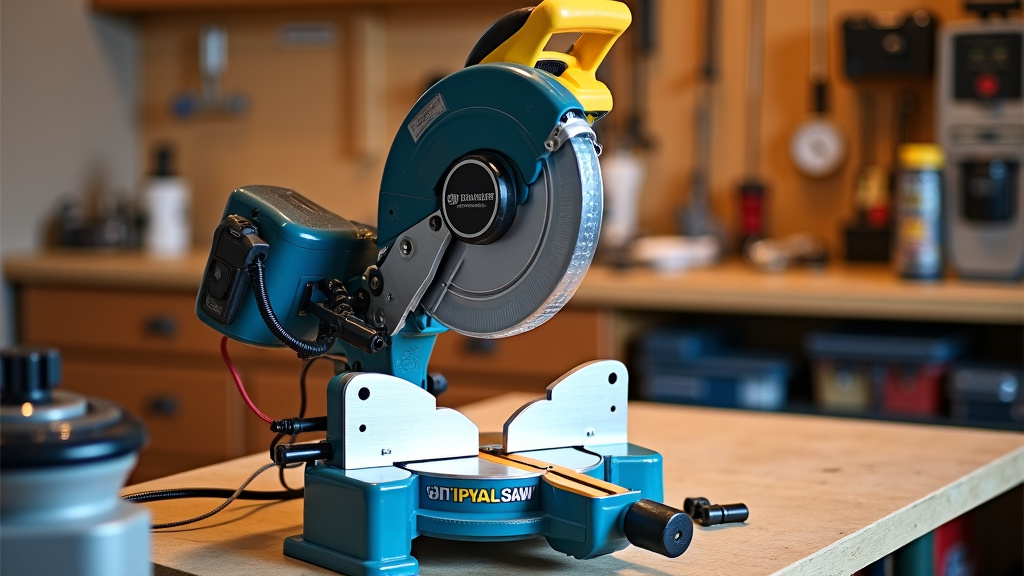
A miter saw is a power tool designed for making quick, accurate crosscuts and miters. It uses a spinning blade mounted on a pivoting arm. This arm swings left or right to create miter angles. The base also allows you to tilt the blade for bevel cuts. This dual capability is what makes it a compound miter saw.
Different Miter Saw Styles to Consider
There are a few main types you’ll see. Basic miter saws are good for simple crosscuts. Compound miter saws add the beveling function. Sliding compound miter saws have rails that let the blade slide forward. This sliding feature significantly increases the width of material you can cut. For a garage workshop, a sliding compound saw offers the most flexibility.
Key Features for Your Garage Miter Saw
Blade Size Matters: 10-Inch vs. 12-Inch
Blade size is a primary factor. A 10-inch blade is common and works well for most home projects. It can cut materials up to about 6 inches wide for straight cuts. A 12-inch blade offers more capacity, cutting wider boards. However, 12-inch saws are often larger and more expensive. Many users find a 10-inch saw provides the best balance for typical garage tasks.
The Power of Sliding Compound Miter Saws
If you plan to cut wider boards or trim, a sliding miter saw is a game-changer. The sliding mechanism allows the blade to move forward and backward. This lets you cut pieces that are much wider than the blade’s diameter. For instance, a 10-inch sliding saw can often handle 12-inch wide boards at a 90-degree angle. This added capacity is why many experts recommend them for versatility.
Motor Power and RPMs
Motor power is measured in amps. More amps generally mean more power. A saw with a 15-amp motor is usually sufficient for most garage tasks. RPM (revolutions per minute) indicates blade speed. Higher RPMs can lead to smoother cuts, especially in hardwoods. Look for saws with around 4,000 RPM or higher.
Accuracy and Ease of Use: What to Look For
Precision is key for any woodworking project. Check for clear, easy-to-read angle detents. These are preset stops for common miter and bevel angles. A reliable laser guide or LED light system is also very helpful. It shows you exactly where the blade will cut. Good dust collection is another feature that keeps your workspace cleaner and safer.
Dust Collection: A Cleaner Workshop is a Better Workshop
Miter saws produce a lot of sawdust. Most saws have a dust port you can connect to a shop vacuum or dust collector. Effective dust collection keeps your work area cleaner and improves air quality. Many users report that some saws do a better job than others. Look for reviews that mention the effectiveness of dust collection.
Top Miter Saw Features for Your Garage
Fence Design for Stability
The fence is the vertical support at the back of the saw’s base. A tall, sturdy fence is important for supporting your material. It helps ensure accurate cuts, especially when making miter or bevel cuts. Some fences are adjustable or can slide out of the way, offering more flexibility for different cuts. We found that saws with solid, robust fences tend to perform better.
Table Height and Workpiece Support
Consider the height of the saw’s table. A taller table can better support your workpiece. Some saws come with extendable side supports. These are great for handling long boards. If your saw doesn’t have them, you can often add aftermarket supports. Ensuring your material is well-supported leads to safer and more accurate cuts.
Portability and Setup in Your Garage
If you plan to move your saw around your garage, consider its weight and size. Some saws are quite heavy. Many models offer features like carrying handles or specialized stands. A good miter saw stand can make setup and breakdown much easier. It also raises the saw to a more comfortable working height. Think about how much space you have and if you need to store the saw. Consider investing in a miter saw stand to improve stability and ergonomics in your garage workshop.
Making the Right Choice: Your Miter Saw Checklist
To help you narrow down your choices, here’s a quick checklist:
- Blade Size: Is 10-inch sufficient, or do you need 12-inch capacity?
- Sliding Feature: Do your projects require cutting wider boards?
- Motor Power: Is 15 amps enough for the materials you use?
- Accuracy Features: Does it have a good laser, clear detents, and a stable fence?
- Dust Collection: Will it connect effectively to your vacuum system?
- Budget: Does it fit within your planned spending?
Popular Brands and Considerations
Several brands are well-regarded in the woodworking community. Brands like DeWalt, Makita, Bosch, and Ridgid consistently receive good reviews for their miter saws. We found that when comparing models, looking at user reviews for specific features like durability and cut accuracy can be very helpful. Don’t forget to consider warranty and customer support.
Understanding Specifications and What They Mean
When you look at miter saw specifications, some terms might seem confusing. Here’s a quick breakdown of common specs:
| Specification | What it Means | Why it Matters for You |
|---|---|---|
| Max Cut Width (90°) | The widest board you can cut straight. | Essential for framing or larger projects. |
| Max Cut Depth (90°) | The thickness of material you can cut straight. | Important for thicker lumber or beams. |
| Miter Capacity | The maximum angle the saw can cut left and right. | Determines the range of angles you can achieve. |
| Bevel Capacity | The maximum angle the blade can tilt. | Allows for angled cuts on the edge of boards. |
| Amps | Motor power. Higher amps usually mean more torque. | Helps cut through denser woods without bogging down. |
Your Garage Workshop Needs a Reliable Miter Saw
Ultimately, the best miter saw for your garage is one that meets your specific project needs. For most DIYers, a 10-inch sliding compound miter saw provides an excellent combination of features and performance. It’s versatile enough for trim work, framing, and even some smaller furniture projects. Investing in a quality saw means fewer headaches and more successful builds.
Conclusion
Choosing the right miter saw for your garage workshop boils down to matching its capabilities with your typical projects. For most DIYers, a 10-inch sliding compound miter saw offers the best blend of versatility, power, and capacity without taking up excessive space. We’ve found that features like a reliable laser guide and good dust collection significantly enhance your experience. Before making your final decision, review your project needs and consider the key features we discussed. Your next step is to research specific models from reputable brands that fit your budget and checklist, ensuring you invest in a tool that will serve you well for years to come.
Frequently Asked Questions
Do I really need a sliding miter saw for my garage?
A sliding miter saw significantly increases your cutting capacity for wider boards. If you plan on working with materials like 2x6s or wider trim, the sliding feature is highly recommended for added versatility. For smaller trim jobs and narrower lumber, a non-sliding model might suffice.
Is a 10-inch miter saw powerful enough for hardwoods?
Most 10-inch miter saws come with motors powerful enough, typically around 15 amps, to cut through most hardwoods. For very dense hardwoods or frequent heavy use, ensure the saw has good torque and a decent RPM. Checking user reviews for performance on hardwoods can be helpful.
How important is dust collection on a miter saw?
Good dust collection is crucial for a cleaner and healthier workshop environment. It helps keep your cutting line visible and reduces airborne sawdust. While no miter saw collects 100% of dust, models with effective dust ports that connect well to a shop vacuum are a big plus.
Can I use a miter saw for very precise cuts, like for cabinetry?
Yes, miter saws can be very accurate for cabinetry work. Look for saws with precise angle detents, a stable fence, and a reliable laser or LED guide system. Regularly checking and calibrating the saw’s settings will ensure you achieve the precision needed.
What’s the main difference between a miter saw and a chop saw?
The terms are often used interchangeably, but a miter saw is specifically designed for making miter (angled) and bevel (tilted) cuts. A basic “chop saw” might only be capable of straight crosscuts. A compound miter saw, which is what we’ve focused on, offers both miter and bevel adjustments for greater versatility.
