
What Is Kerf on a Miter Saw Blade?
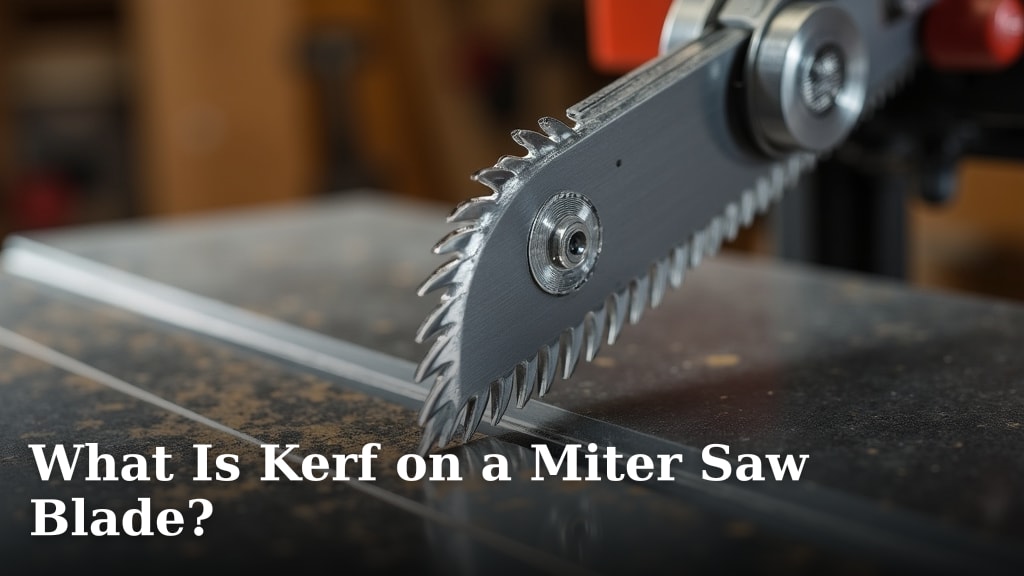
The kerf on a miter saw blade is simply the width of the cut it makes. It’s the material removed from your workpiece as the blade passes through. Think of it as the blade’s “thickness” when it cuts, determining how much wood disappears with each pass.
Understanding your blade’s kerf is more important than you might think for woodworking accuracy. A wider kerf can cause a different amount of material loss than a narrower one. This difference matters, especially when making repetitive cuts or working with delicate materials. Many woodworkers research this to ensure precise results.
- Kerf is the width of the cut a miter saw blade makes.
- It’s the amount of material removed during a cut.
- A blade’s kerf impacts the final dimensions of your project.
- Choosing the right kerf can improve cutting accuracy.
Below, we’ll help you understand exactly what kerf means for your miter saw and your projects.
Understanding Your Miter Saw Blade’s Cut Width
So, you’ve seen the term “kerf” pop up when looking at miter saw blades. What exactly is it, and why should you care? Simply put, kerf is the width of the slot your saw blade makes as it cuts through material. Think of it as the physical space the blade occupies and removes during its pass. It’s not just about the blade’s thickness; it’s the entire path it carves out.
This seemingly small detail can actually have a big impact on your woodworking projects. Whether you’re building fine furniture or simple DIY projects, understanding kerf helps you achieve greater accuracy. We found that many woodworkers overlook this, only to realize its importance later when their measurements are slightly off. Let’s break down what it means for you.
The Basics: What Does Kerf Mean?
At its core, kerf is the width of the material removed by a saw blade. When your miter saw blade spins, it doesn’t just split the wood; it takes a bit of it away with each tooth. The sum total of these tiny removals creates the kerf. This is a fundamental concept in all types of sawing, not just with miter saws.
Kerf vs. Blade Thickness
It’s easy to confuse kerf with the overall thickness of the blade plate. While they are related, they aren’t the same. The blade plate is the solid metal disc of the blade. The kerf, on the other hand, is the width of the cut line itself. A thinner blade plate usually means a narrower kerf, but the tooth design also plays a role.
You’ll often see blades advertised with terms like “thin kerf” or “full kerf.” This is a direct indicator of how much material the blade is designed to remove. A thin kerf blade is made to slice through material with minimal waste. A full kerf blade might be more robust but removes more material.
Why Does Kerf Matter for Your Projects?
Why is this width so important? Imagine you need to cut a piece of wood to exactly 10 inches. If your blade has a kerf of 1/8 inch, and you’re cutting a 10-inch piece from a longer board, the piece you end up with is actually 10 inches plus the kerf width. This might seem tiny, but when you’re making multiple cuts or working with precise dimensions, those small differences add up.
For example, if you’re cutting multiple identical pieces for a frame, and each cut removes 1/8 inch of material, by the time you’ve made, say, five cuts, you’ve lost 5/8 of an inch from your original length of stock. If you weren’t accounting for that, your final pieces would all be slightly shorter than intended. We found this is a common pitfall for beginners.
Types of Kerf and Blade Design
Miter saw blades come in various kerf widths, generally categorized into two main types: thin kerf and full kerf. The choice between them often depends on the type of saw you’re using and the material you’re cutting.
Thin Kerf Blades
Thin kerf blades are designed to remove the least amount of material possible. They typically have a blade plate that’s about 2 millimeters thick. The teeth are also designed to create a narrow cut. These blades require less power from your saw to push through the material. This makes them ideal for smaller, less powerful miter saws, like those often used for hobbyist projects or lighter-duty tasks.
We found that using a thin kerf blade on a saw that’s not powerful enough to handle a full kerf blade can prevent bogging down and burning. It also means less waste from your lumber, which can be a significant cost saver over time, especially when you’re working with expensive hardwoods. Many guidelines suggest thin kerf for efficiency (EPA).
Full Kerf Blades
Full kerf blades are thicker, usually around 3 millimeters or more. They are generally more durable and can withstand tougher cutting jobs. Because they are thicker, they require more power from your saw. Full kerf blades are often paired with larger, more powerful miter saws designed for heavy-duty use in professional workshops. They can also be a bit more stable during the cut, leading to cleaner results in some applications.
The trade-off, of course, is that they remove more material. If you’re precision cutting fine joinery or delicate veneers, the extra material removed by a full kerf blade could be detrimental to your project’s integrity. However, for general construction or framing work, the durability and stability might be preferred.
How Kerf Affects Your Cuts
The width of the kerf directly influences the outcome of your cuts in several ways. Understanding these can help you choose the right blade for the job and make adjustments to your measurements.
Material Waste and Cost
As we touched on, every cut removes material. A wider kerf means more material is turned into sawdust. If you’re cutting many pieces, especially from expensive lumber, this waste can add up. A thin kerf blade can significantly reduce this loss. We found that for someone cutting hundreds of small pieces, the savings from a thin kerf blade could be substantial (Woodworking Journal).
Power Requirements
Pushing a wider, thicker blade through wood requires more effort from your saw motor. A thin kerf blade glides through more easily. If you have a smaller, hobbyist-grade miter saw, you might notice it struggling or even bogging down when trying to use a full kerf blade. This is because the motor doesn’t have enough torque to power through the wider cut. Using the correct blade type for your saw’s power is essential for both performance and the longevity of your tool.
Accuracy and Precision
This is where kerf really shines for detail-oriented work. When making precise cuts, especially for joinery like dados or rabbets, the width of the kerf matters. If you need a slot to be exactly 1/2 inch wide, and your blade has a 1/8 inch kerf, you’ll need to account for that. You might need to make two passes with the saw, or adjust your marking to accommodate the blade’s width.
For tasks requiring extreme precision, like furniture making or detailed trim work, a thin kerf blade is often preferred. It removes less material, giving you more control and reducing the chance of error due to excessive material loss. Many fine woodworkers opt for specialized blades with very narrow kerfs for these applications.
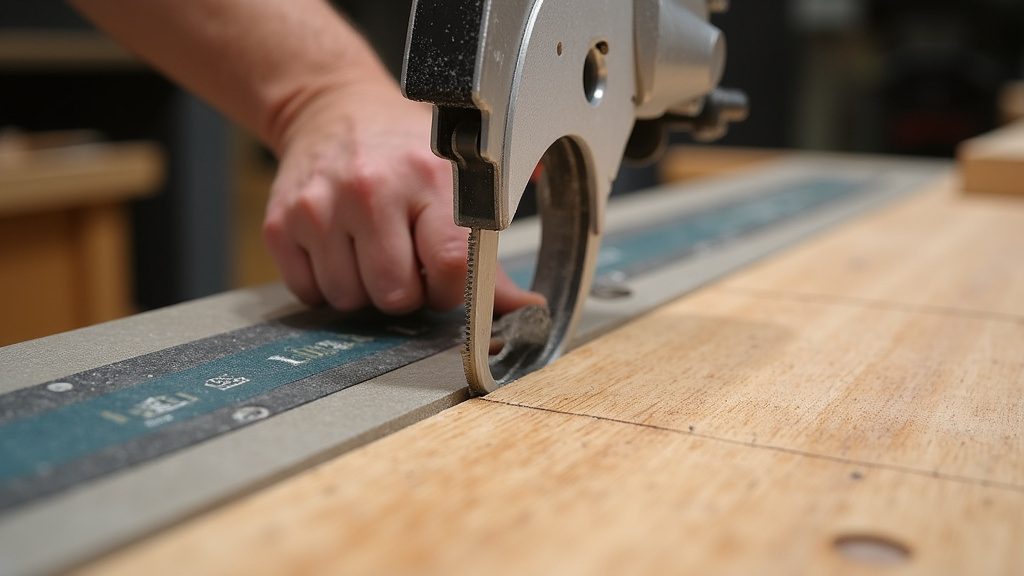
Choosing the Right Kerf for Your Miter Saw
Deciding between a thin kerf and a full kerf blade involves considering a few key factors about your saw and your typical projects.
Consider Your Miter Saw’s Power
If you have a smaller, portable miter saw, a thin kerf blade is likely your best bet. These saws are designed for efficiency and less demanding tasks. They often don’t have the motor power needed to efficiently handle a full kerf blade without bogging down. Using a thin kerf blade will give you smoother cuts and reduce strain on the motor.
For larger, heavier-duty professional miter saws, you have more flexibility. These saws are built with powerful motors capable of handling both thin and full kerf blades. In this case, your decision will depend more on the type of material and the precision required.
Match the Blade to Your Material and Task
What do you typically cut? If you’re working with softwoods, plywood, or doing general construction, a thin kerf might be fine, or even preferable for reduced waste. If you’re cutting dense hardwoods or need maximum blade stability for very clean, chip-free edges, a full kerf blade might offer an advantage.
For joinery, precise measurement is key. If you’re cutting dadoes or rabbets, the kerf width is critical. You might even find specialized blades designed for specific types of joinery that have optimized kerf widths. Researching the specific demands of your project is always a good idea.
Blade Count and Tooth Design
Beyond just kerf width, the number of teeth and their design also matter. Blades with fewer teeth often have a wider kerf and are designed for faster, rougher cuts. Blades with more teeth typically have a narrower kerf and are meant for smoother, more precise finishes. We found that for general-purpose cutting on a miter saw, a blade with 40-60 teeth is often a good balance (Popular Mechanics).
The shape of the teeth—like ATB (Alternate Top Bevel) or TCG (Triple Chip Grind)—also affects how cleanly the blade cuts and how much material it removes. While not directly part of the kerf definition, these design elements work in conjunction with kerf width to determine the overall cutting performance.
Quick Checklist for Kerf Considerations
To help you remember the key points about kerf, here’s a quick checklist:
- Check your saw’s power: Smaller saws work best with thin kerf.
- Consider material waste: Thin kerf saves lumber and money.
- Aim for accuracy: Thin kerf offers more precision for detailed work.
- Match blade to task: Rough cuts vs. fine joinery may need different kerfs.
- Full kerf durability: Can be more robust for heavy-duty applications.
- Note the tooth count: More teeth often mean a narrower kerf and smoother finish.
Conclusion
Understanding your miter saw blade’s kerf is more than just knowing its width; it’s about precision and efficiency. You’ve learned that kerf is the material removed, impacting everything from lumber waste to project accuracy. Thin kerf blades conserve material and require less power, ideal for smaller saws and detailed work. Full kerf blades offer durability for tougher jobs. By considering your saw’s power and your project’s demands, you can select the right kerf for better results. Now, go forth and make those cuts with confidence, knowing exactly how much material you’re removing!
Frequently Asked Questions
What’s the main difference between a thin kerf and a full kerf blade?
The main difference is the width of the cut each blade makes. Thin kerf blades are designed to remove less material, requiring less power from your saw. Full kerf blades are thicker, remove more material, and are generally more robust for demanding tasks.
Will a thin kerf blade save me money on lumber?
Yes, a thin kerf blade will save you money over time, especially if you cut a lot of pieces. By removing less material with each cut, you reduce waste, meaning you get more usable pieces from your lumber stock.
Can I use a full kerf blade on a small hobbyist miter saw?
It’s generally not recommended. Small miter saws often lack the motor power to effectively push a full kerf blade through material without bogging down. Using a thin kerf blade will provide smoother cuts and put less strain on your saw’s motor.
Does the kerf width affect the accuracy of my cuts?
Yes, the kerf width directly affects accuracy, especially for precise joinery. If you need a specific slot width, you must account for the material your blade’s kerf will remove. A narrower kerf offers more control for detailed work.
How does the number of teeth relate to the kerf width?
While not a direct rule, blades with more teeth often have a narrower kerf. This is because more teeth allow for a smoother cut by removing smaller chips of material per tooth. Blades with fewer teeth tend to have a wider kerf for faster, rougher cuts.
