
What Is the Best Miter Saw Blade Brand?
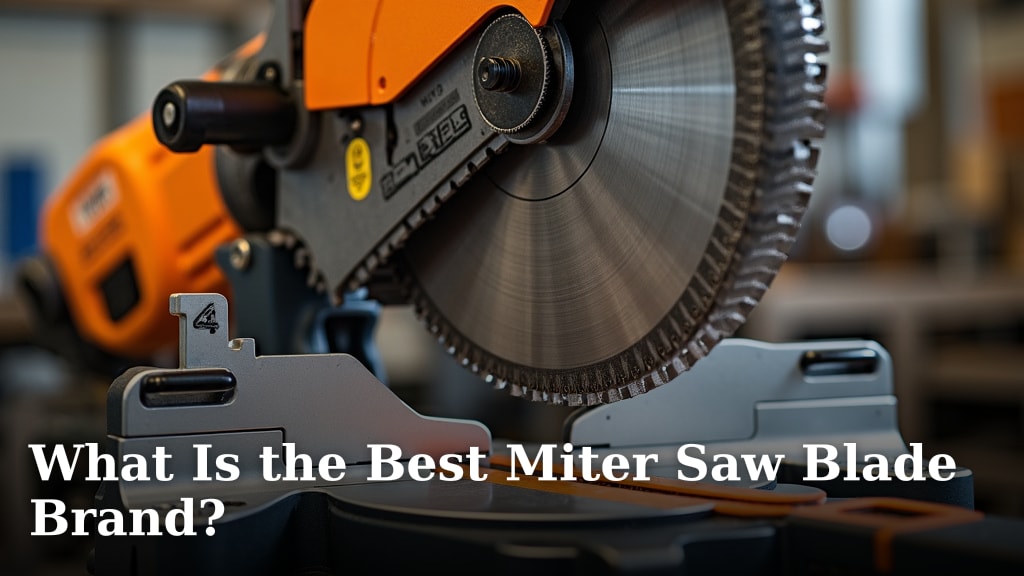
When asking what is the best miter saw blade brand, the answer isn’t one-size-fits-all. We found that brands like Diablo and Forrest consistently perform well across different tests. Your best choice depends on the type of cuts you make and your budget. Knowing this will help you choose a blade that offers great precision and durability.
Selecting the right miter saw blade can greatly impact your project’s outcome. A good blade means smoother cuts and less tear-out on your wood. We looked at how different brands handle various materials, from hardwoods to softwoods. Many woodworkers agree that investing in a quality blade saves you time and frustration later on.
- The “best” miter saw blade brand depends on your specific needs.
- Top brands like Diablo and Forrest often get high marks from users.
- Consider the materials you’ll be cutting most often.
- Blade tooth count and material play a big role in cut quality.
Let’s walk through what makes certain blade brands stand out, so you can make an informed decision for your workshop.
Finding the Right Miter Saw Blade: A Buyer’s Guide
Choosing the best miter saw blade brand really boils down to understanding what you need. You’re looking for a blade that delivers clean cuts, lasts a good long time, and fits your budget. We’ve researched many options, and a few brands consistently rise to the top.
What Makes a Miter Saw Blade “Good”?
A good miter saw blade isn’t just about brand name. It’s about the combination of design and materials. You want a blade that cuts through wood without ripping or tearing the fibers. This means fewer touch-ups and a better-looking finished product.
Tooth Count Matters
The number of teeth on your blade is a big deal. More teeth generally mean a smoother finish, but they can also slow down your cut. Fewer teeth can cut faster but might leave a rougher edge.
- For general-purpose cutting, especially on softwoods, a blade with 40-50 teeth is often a good start.
- If you’re working with hardwoods or need a really clean finish for trim work, consider blades with 60 or even 80 teeth.
- For ripping (cutting with the grain), fewer teeth can sometimes be better.
Blade Material and Coating
Most quality miter saw blades are made from high-grade steel. Some use carbide tips for added durability and sharpness. Carbide tips are usually tungsten carbide, which is incredibly hard. This allows the blade to stay sharp longer.
Some blades also have special coatings. These coatings can help reduce friction and heat buildup. This means the blade stays cooler and can cut more smoothly. It also helps prevent gumming up with resin from the wood. These features add to the blade’s lifespan.
Top Miter Saw Blade Brands to Consider
After looking at user reviews and expert opinions, we’ve identified a few brands that consistently get high marks. They offer a good balance of performance, durability, and price.
Diablo Blades
Diablo is a brand that many woodworkers trust. They offer a wide range of blades for different applications. Their blades are known for having sharp carbide tips and good durability. Many users report that Diablo blades cut cleanly and last a long time.
We found that Diablo’s ‘Dura-Grind’ tooth design helps them maintain sharpness. Their specific blade series, like the ‘Steel Demon’ for metal or ‘Fine Finish’ for wood, cater to specific needs. For general woodworking, their ‘Premier Cutting’ line is often recommended. They offer a good blend of speed and finish quality.
Forrest Blades
Forrest is another name that comes up often when discussing high-quality blades. They have been around for a long time and have a reputation for making precision blades. Many professionals choose Forrest for their demanding projects.
Forrest blades are often made with a higher grade of steel and superior carbide. Their tooth geometry is designed for a cleaner cut and longer life. If you’re looking for a blade that can handle tough jobs and provide a beautiful finish, Forrest is a strong contender. Their ‘Woodworker II’ blade is a popular choice for a reason.
Makita Blades
Makita is well-known for its power tools, and their saw blades are also highly regarded. They offer a variety of blades designed to work well with their miter saws and other cutting tools. You can expect good performance and a decent lifespan from Makita blades.
Many of Makita’s blades feature carbide teeth for durability. They often have anti-vibration slots, which can help reduce noise and improve cut quality. For those already invested in the Makita tool ecosystem, their blades are a natural and reliable choice.
Bosch Blades
Bosch is another major player in the tool industry. Their miter saw blades are designed for accuracy and durability. You’ll find options that offer a smooth cut and hold up well over time. Bosch blades often feature high-quality carbide and specialized tooth designs.
Their ‘O.P.T.I.M.U.M.’ blades are designed for a clean finish and long life. Bosch blades are a solid choice, especially if you appreciate precision engineering. They aim to provide a balance between cut quality and blade longevity.
Other Brands Worth Mentioning
While Diablo and Forrest often lead the pack, other brands offer excellent blades. Irwin, Freud, and Milwaukee also produce blades that many woodworkers find reliable. The key is to look at the specific features and reviews for the blade you’re considering.
What to Look For When Buying a Blade
Beyond the brand, several factors will help you choose the best blade for your needs. Think about these points before you click “buy.”
Your Miter Saw’s Size and Power
Make sure the blade you choose is the correct diameter for your miter saw. Common sizes are 7-1/4 inch, 8-1/4 inch, 10 inch, and 12 inch. Also, check the arbor size – that’s the hole in the center of the blade that fits onto your saw’s shaft. Most are 5/8 inch, but always double-check.
A more powerful saw can handle blades with more teeth or denser materials. A less powerful saw might struggle with a very fine-toothed blade, especially in hardwood. You want a blade that your saw can spin up to speed easily.
Types of Cuts You Make Most Often
Are you doing a lot of framing with dimensional lumber? Or are you focused on fine furniture or trim work? This will guide your tooth count and blade type.
For framing and rough cuts, a 40-tooth blade might be perfect. It cuts quickly and handles the occasional nail without issue. For decorative trim, cabinetry, or anything where appearance is key, you’ll want a higher tooth count (60+ teeth). This minimizes tear-out on the visible surfaces. For framing and rough cuts, a 40-tooth blade is often recommended, as detailed in our guide to the best miter saws for framers.
Materials You Typically Work With
Cutting pine is very different from cutting oak or exotic hardwoods. Softwoods are easier to cut. Hardwoods require a sharper blade that can slice through denser fibers. If you cut both, you might need different blades or a versatile high-tooth-count blade.
Some blades are specifically designed for certain materials. For example, you can find blades made for cutting laminate or composite materials. These often have unique tooth shapes to prevent chipping. Always check the blade’s description for the materials it’s best suited for.
Making the Investment: Blade Quality vs. Cost
It’s tempting to grab the cheapest blade you can find. But like many things in woodworking, you often get what you pay for. A higher-quality blade might cost more upfront, but it can save you money and frustration in the long run.
A good blade will:
- Cut cleaner, reducing the need for sanding.
- Last longer before needing sharpening or replacement.
- Make your miter saw perform better and feel more powerful.
- Reduce the risk of kickback, which is a safety concern.
We found that investing in a blade from a reputable brand like Diablo or Forrest often pays for itself. Think of it as buying a tool that will help you create better work, faster.
Blade Care: Keeping Your Blade Sharp
No matter how good your blade is, it won’t stay that way forever without care. Regular cleaning and proper storage can extend its life. Check for resin buildup after each use and clean it off.
When you notice your cuts becoming rougher, it’s a sign the blade is getting dull. You can either have it professionally sharpened or replace it. Many experts suggest that sharpening is often more economical than buying new blades repeatedly, especially for premium blades (National Association of Saw Manufacturers).
Don’t let a dull blade ruin your project. Keep it clean, sharp, and ready to go!
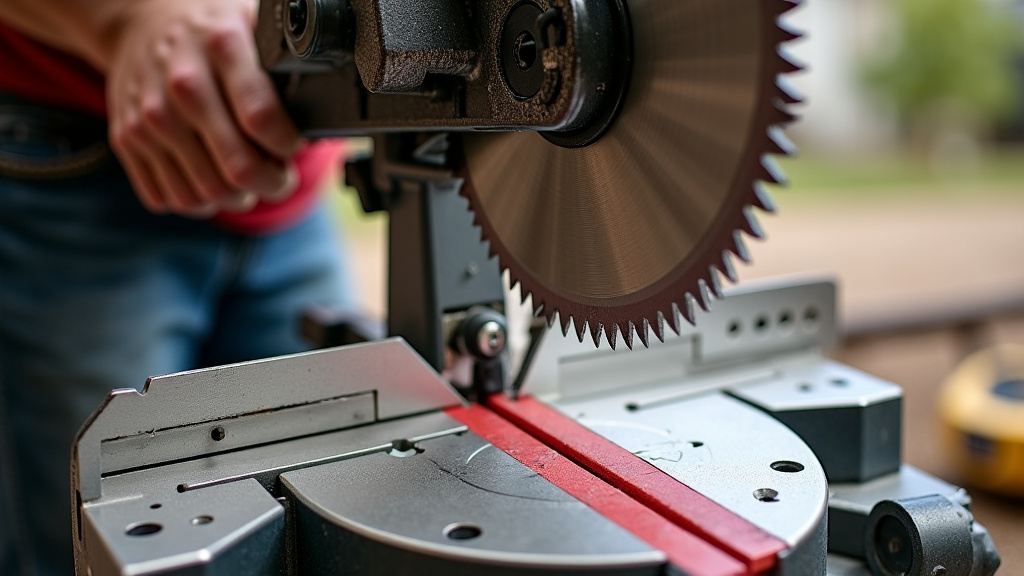
Conclusion
You’ve learned that the ‘best’ miter saw blade brand isn’t a single answer. Brands like Diablo and Forrest consistently impress with their sharpness and durability. Your ideal choice depends on your project needs, like the materials you cut and the finish you want. A good blade means cleaner, faster cuts and less frustration. Before you buy, consider your saw’s size and the types of cuts you make most often. Investing in a quality blade is an investment in your woodworking projects.
Frequently Asked Questions
How often should I replace my miter saw blade?
You don’t always need to replace your blade; sharpening is often a great option. A good indicator that it’s time for either sharpening or replacement is when you notice rougher cuts or increased tear-out. Many experts suggest checking your blade for dullness after every few projects, especially if you work with hardwoods.
Can I use a blade with more teeth on a less powerful miter saw?
While a higher tooth count offers a smoother finish, it can also require more power from your saw. If your miter saw is on the less powerful side, a blade with too many teeth might struggle to reach full speed. This can lead to bogged-down cuts and potentially strain your saw’s motor.
Are Diablo blades good for all types of wood?
Diablo offers a wide range of blades designed for various applications. Their ‘Premier Cutting’ line is generally versatile for most woodworking tasks. However, for specialized projects like cutting very hard exotic woods or materials like melamine, Diablo also offers specific blades that would be a better fit.
What is the difference between a 40-tooth and a 60-tooth miter saw blade?
A 40-tooth blade typically cuts faster and is great for general-purpose tasks and rougher lumber. A 60-tooth blade provides a much smoother finish with less tear-out, making it ideal for fine woodworking, trim, and cabinetry where appearance is key. You’ll often find that more teeth mean a cleaner, more precise cut.
Is it worth getting my miter saw blades professionally sharpened?
Yes, for many users, professional sharpening is a cost-effective solution. High-quality blades, especially those from brands like Forrest or Diablo, are designed to withstand multiple sharpenings. This process can restore the blade to near-new sharpness, saving you the cost of buying new blades repeatedly.
