Are Miter Saw Blades Reverse Threaded?
No, miter saw blades are not reverse threaded. The arbor nut, which secures the blade, almost always uses standard, right-hand threads.
This design helps ensure that the blade’s rotation naturally tightens the nut, preventing it from loosening during operation for safety.
TL;DR: Here’s the quick takeaway for you:
- Miter saw blades typically use standard right-hand threads on their arbor nuts.
- This means you turn the nut counter-clockwise to loosen it and clockwise to tighten it.
- The blade’s rotation helps keep the nut secure during use.
- Always check your saw’s manual; a few rare exceptions exist, especially for older models.
- Safety first: unplug your saw before any blade changes.
Ever found yourself staring at your miter saw blade, wondering which way to turn that pesky nut? It’s a common moment of hesitation for many DIYers and even seasoned woodworkers. You might wonder if miter saw blades are reverse threaded, creating a moment of confusion.
Let’s clear up this mystery right away. Understanding how your saw works is key to both efficiency and safety in your workshop. We’re here to guide you through this, making sure you feel confident with every blade change.
Are Miter Saw Blades Reverse Threaded?
Generally, miter saw blades are not reverse threaded. The vast majority of miter saws, including popular brands like DeWalt, Bosch, and Makita, use a standard right-hand thread for their arbor nuts.
This means to loosen the nut, you turn it counter-clockwise, and to tighten it, you turn it clockwise.
Why Do We Think They Might Be Reverse Threaded?
It’s a natural question to ask, isn’t it? Many people expect a reverse thread on spinning components like saw blades. We often encounter left-hand threads on bicycle pedals or grinder nuts.
The reasoning behind these choices is simple: the rotational force of the machine works to keep the fastener tight. So, why isn’t it the case for miter saws?
The Arbor Nut’s Clever Design
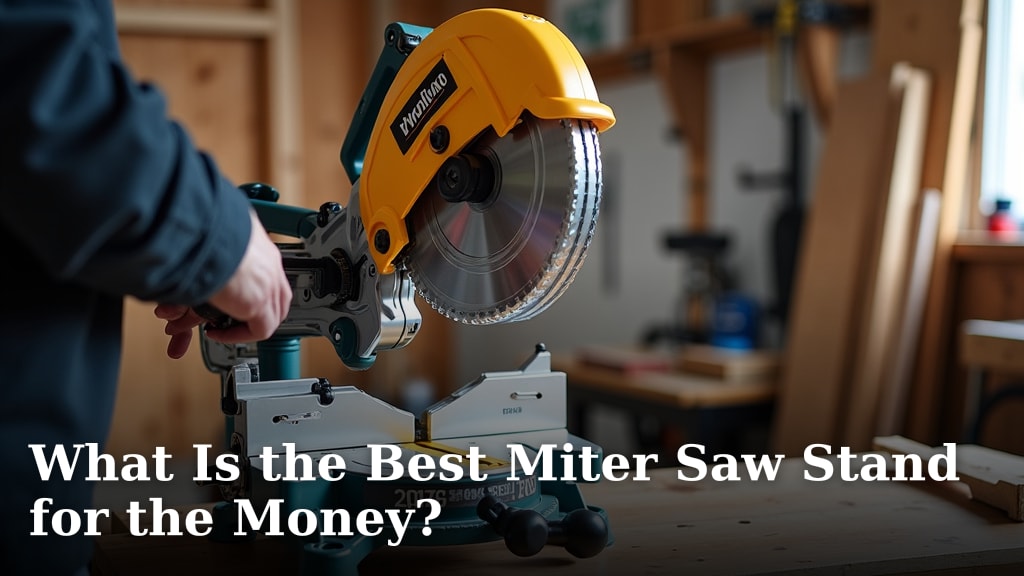
On most miter saws, the blade spins in a clockwise direction when viewed from the front of the saw. The arbor nut sits on the left side of the blade, securing it to the motor shaft.
Since the blade rotates clockwise, a standard right-hand thread on the arbor nut ensures that the spinning action of the blade actually works to tighten the nut further. This is a brilliant, passive safety feature.
Visualizing the Physics
Imagine the blade spinning. As it turns clockwise, any slight friction or resistance between the blade and the nut’s washer tries to drag the nut with it. Because the nut has a right-hand thread, this clockwise drag naturally tightens the nut onto the arbor.
It’s like a perpetual self-tightening mechanism, keeping your blade secure as you cut. This principle is widely adopted across many power tools for excellent safety reasons (many experts say).
Always Check Your Saw’s Manual
While the vast majority of miter saws use standard threads, it’s always wise to consult your specific saw’s manual. A few older or niche models might have different designs. Your manual is your best friend for accurate information.
We found that checking the manual first is a key safety practice for any power tool user. It prevents guesswork and ensures you’re following the manufacturer’s precise instructions.
What About Other Saws?
You might have encountered reverse threads on other tools, which adds to the confusion. Let’s look at a quick comparison:
| Tool Type | Blade/Wheel Rotation | Arbor Nut Thread Direction |
|---|---|---|
| Miter Saw | Clockwise (usually) | Standard Right-Hand Thread |
| Circular Saw | Clockwise (from right side) | Standard Right-Hand Thread |
| Angle Grinder | Clockwise | Left-Hand Thread (often) |
| Bench Grinder | Both sides spin towards center | Left-Hand (left side), Right-Hand (right side) |
As you can see, angle grinders and bench grinders commonly use left-hand threads. This is because their cutting discs spin in a way that would loosen a standard right-hand nut.
The engineering is truly thoughtful, isn’t it? It’s all about ensuring safety through mechanical design.
Changing Your Miter Saw Blade Safely
Knowing the thread direction is just one piece of the puzzle. Before removing a blade, see our guide to unlocking a miter saw blade. Changing a miter saw blade requires careful steps to avoid injury. You need to approach this task with respect for the machine’s power.
Here’s a simple checklist to guide you through a safe blade change:
- Unplug the Saw: This is the absolute first step. No power, no accidental start-ups.
- Engage Blade Lock: Most miter saws have a spindle lock button to hold the blade still.
- Use the Wrench: Use the wrench that came with your saw. It fits perfectly.
- Loosen the Nut: Turn the arbor nut counter-clockwise (to the left).
- Remove Old Blade: Carefully take off the nut, washer, and then the blade.
- Clean Everything: Wipe down the arbor, washers, and blade shroud.
- Install New Blade: Ensure the blade’s rotation arrow matches the saw’s direction arrow.
- Tighten the Nut: Turn the arbor nut clockwise (to the right), hand-tighten, then use the wrench for a snug fit. Don’t overtighten!
Blade Direction Matters Hugely
This is often overlooked but so important. Every saw blade has an arrow indicating its intended direction of rotation. You must ensure this arrow points in the same direction as your saw’s motor spins.
If you install the blade backward, it won’t cut properly, it could damage your workpiece, and it’s incredibly dangerous. The teeth are designed to slice in one direction.
What Happens If You Overtighten the Nut?
You might think tighter is always better, but that’s not necessarily true here. Overtightening the arbor nut can cause several issues. It can strip the threads on the arbor or the nut itself.
It can also deform the blade, leading to wobble or inaccurate cuts. Just a snug fit is all you need; the saw’s rotation will do the rest of the work to keep it secure.
Conclusion
So, to answer your main question: no, miter saw blades are almost universally NOT reverse threaded. They feature a standard right-hand thread on the arbor nut, designed to tighten naturally with the blade’s rotation. This smart engineering is a core safety feature that keeps your blade firmly in place.
Always prioritize safety by unplugging your saw and consulting your manual before any blade changes. For safe positioning, see how to lift the miter saw blade. With this knowledge, you can confidently and safely maintain your miter saw, ensuring precise cuts for all your projects.
What if my miter saw blade still loosens even with a standard thread?
If your miter saw blade repeatedly loosens, even with a standard right-hand thread, you should first ensure the nut is tightened correctly (snugly, not overtightened). Check for any damage to the arbor threads, the nut, or the washers. Sometimes, worn or missing washers can prevent proper clamping. It might also indicate a deeper mechanical issue with the saw’s arbor or motor, which may require professional inspection.
Can I use a universal wrench for changing my miter saw blade?
While you technically can use a universal wrench, it’s always best to use the specific wrench provided by the manufacturer. These wrenches are designed to fit the arbor nut perfectly, reducing the risk of stripping the nut or damaging the tool. Using the correct tool ensures a secure grip and proper torque application.
How often should I check the tightness of my miter saw blade?
It’s a good practice to quickly check the tightness of your miter saw blade before each significant cutting session or project. While the self-tightening design helps, vibration and repeated use can sometimes cause slight shifts. A quick check takes seconds and adds an extra layer of safety and assurance to your work.
Are there any miter saws that legitimately use a left-hand thread?
While extremely rare, some very old or specialized industrial miter saws might have unique threading. However, for common consumer and professional miter saws available today, a left-hand thread is practically non-existent. Always refer to your specific saw’s user manual if you have any doubts, as it will explicitly state the thread direction for blade changes.
What is the purpose of the washers on either side of the miter saw blade?
The washers on either side of the miter saw blade serve a crucial purpose: they distribute the clamping force of the arbor nut evenly across the blade. This prevents stress concentrations, helps keep the blade flat, and ensures a secure, wobble-free fit. They also protect the blade’s center hole from wear and tear caused by the nut directly.