
How Deep Should A Miter Saw Station Be?
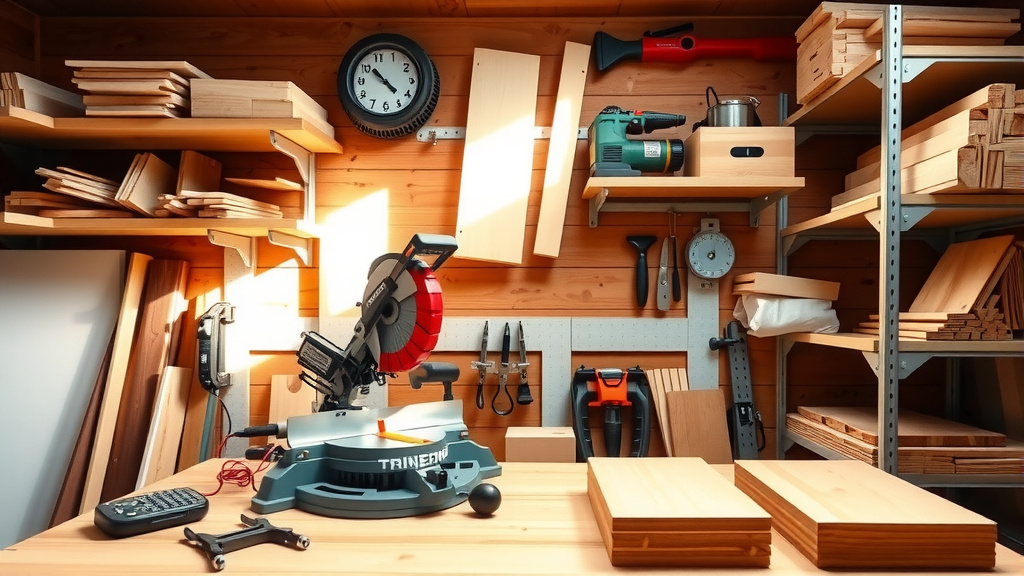
The ideal depth for a miter saw station typically ranges from 24 to 32 inches, allowing ample space for most saw models and material support.
This depth ensures stability and provides sufficient room for workpiece movement and dust collection without overcrowding your workspace, directly answering how deep should a miter saw station be.
- Your miter saw station should generally be 24 to 32 inches deep for most common saws.
- Consider your saw’s physical footprint, the length of materials you cut, and any dust collection needs.
- A well-chosen depth improves both safety and the overall stability of your cutting setup.
- Tailor the depth to your workflow and workshop space to maximize efficiency and comfort.
- Always plan for future upgrades or changes when deciding on the optimal station depth.
How Deep Should A Miter Saw Station Be?
For most woodworking enthusiasts and professionals, a miter saw station should generally have a depth of 24 to 32 inches. This range provides a sweet spot, balancing machine requirements and workspace ergonomics.
Diving deeper, the exact depth truly depends on your specific saw and how you plan to use your station. You want enough room for your saw to operate freely and for your materials to be well-supported.
Why Does Miter Saw Station Depth Matter?
You might wonder why a few inches here or there make a difference, right? It turns out, depth plays a pivotal role in your workshop. It influences everything from safety to efficiency and even your comfort.
Choosing the right depth for your miter saw station is like picking the right shoes for a long walk. The wrong fit can lead to discomfort and problems down the road. Let’s explore why this is so important.
Safety First, Always
Imagine your workpiece hanging precariously off the edge of a too-shallow station. That’s a recipe for disaster. Proper depth means your material is fully supported, reducing kickback risks and preventing accidents.
We found that sufficient depth allows you to maintain better control over your cuts. This directly translates to a safer working environment for you and anyone else in your shop (OSHA guidelines often emphasize stable work surfaces).
Stability is Non-Negotiable
A deep station provides a solid foundation for your miter saw. It helps prevent your saw from rocking or vibrating excessively during cuts. This stability is critical for accurate cuts.
A shaky setup can lead to imprecise angles and wasted material, which is frustrating. A deep, sturdy base anchors your entire operation, ensuring a smooth and reliable cutting experience every time.
Workpiece Support and Flow
Think about cutting a long piece of trim. If your station isn’t deep enough, you’re constantly juggling the material. A good depth means ample support on both sides of your saw blade.
This support allows for a much smoother workflow. You can feed material through with confidence, knowing it won’t dip or wobble. It makes repetitive cuts much easier and less tiring, too.
Finding Your Ideal Depth: Key Considerations
So, how do you pinpoint the perfect depth for your unique situation? It’s not a one-size-fits-all answer, unfortunately. You need to consider a few personal and practical factors.
Let’s walk through these considerations together. Thinking about these points now will save you headaches later. It’s all about tailoring the station to your specific needs.
Your Miter Saw’s Footprint
Every miter saw model is different. Some have massive sliding rails that extend far behind the fence. You need to measure the maximum depth your saw occupies when fully extended.
Add a few extra inches to that measurement. This ensures you have clearance for dust collection ports and any electrical cords without them getting crushed or snagged. Don’t forget the handle!
Material Length and Width
What kind of materials do you usually cut? If you work with wide boards, your station needs enough depth to support them. You don’t want the board tipping forward or backward during a cut.
Similarly, if you often cut long pieces, the depth contributes to the stability of your outfeed supports. We found that planning for your largest typical material is a wise strategy (Wood Magazine advises this for optimal safety).
Dust Collection Systems
Let’s be honest, miter saws generate a lot of dust. Are you planning on integrating a dust hood or a dedicated collection system? These often need extra space behind the saw.
Factor in the dimensions of your dust collection setup. You want clear airflow and easy access to empty dust bags or bins. A little extra depth here makes a huge difference in keeping your shop clean.
Your Body and Workflow
How do you stand when you operate your saw? Do you lean in? A comfortable depth helps prevent back strain and awkward reaching. Think about your natural working posture.
Also, consider your workflow. Do you need space for pencils, tape measures, or small clamps right at hand? A slightly deeper station can incorporate these elements, keeping your work area tidy and efficient.
Common Miter Saw Station Depths
To give you a clearer picture, here’s a general guide. Remember, these are common depths, and your perfect setup might vary slightly based on your equipment and personal preferences.
It’s always a good idea to measure your specific saw and visualize your ideal workspace before committing to a design. Think of this table as a starting point for your planning process.
| Depth (Inches) | Best For | Considerations |
|---|---|---|
| 20-24 | Compact miter saws, very limited workshop space, small hobby projects. | May require external support for longer materials; careful planning is a must. |
| 24-30 | Most common sliding and non-sliding miter saws, versatile woodworking projects. | Offers a good balance of stability, material support, and shop space efficiency. |
| 30-36+ | Large compound sliding miter saws, cutting wide panels, integrated storage solutions. | Requires more substantial workshop space; excellent for dedicated, professional setups. |
Building a Deeper Station: Pros and Cons
Sometimes, the idea of a much deeper station seems appealing. More space is always better, right? Not always. There are definite advantages, but also a few things you might not have considered.
It’s like choosing a bigger car; you get more space, but it might be harder to park. Let’s weigh the benefits against the potential drawbacks of going extra deep.
Benefits of Extra Depth
A deeper station means you can usually fit in more integrated storage for blades, jigs, and measuring tools. This keeps your workspace organized and efficient.
You also get superior material support, especially for wider stock. A deeper station can also accommodate larger dust collection setups or custom fences with ease, providing much more flexibility.
Drawbacks to Consider
The most obvious drawback is that a deeper station takes up more valuable floor space in your workshop. If your shop is small, this might be a deal-breaker.
It also means more material and potentially more cost to build. A very deep station could also make it harder to reach the back if you need to access things or clean behind your saw.
Designing for Flexibility and Future Growth
Your needs might change over time. Maybe you’ll get a new saw, or your projects will become more ambitious. Designing your station with flexibility in mind is a smart move.
Think about how you can adapt your station without tearing it all down. A little foresight now can save you a lot of effort and expense later on.
Modular Approach
Consider building your station in modules. This means you can add or remove sections as your needs evolve. For instance, outfeed tables could be separate, allowing rearrangement.
A modular design means you can expand your setup if you acquire a larger saw in the future. It’s like building with LEGOs; you can always change the configuration.
Adjustable Elements
Can you incorporate adjustable fences or removable sections? This allows you to reconfigure the station for different tasks beyond just miter cuts. Think about adding adjustable supports or clamps.
These features give your station more versatility. You might even find it useful for other tools or assembly tasks, maximizing its utility in your shop.
Checklist for Your Miter Saw Station Depth
Before you commit to a design, quickly run through these points. This will help confirm you’ve considered all the essentials for your perfect miter saw station depth.
- Does your saw fit comfortably, even with its maximum slide extension?
- Can you adequately support the longest and widest materials you typically cut?
- Is there sufficient room for your dust collection system behind and around the saw?
- Will you be able to work comfortably, maintaining good posture, without stretching or stooping?
- Does the planned depth allow for any potential future upgrades to your saw or accessories?
- Have you accounted for the overall impact on your workshop’s existing floor space?
Conclusion
Deciding how deep your miter saw station should be isn’t just about fitting your saw. It’s about creating a safe, stable, and efficient workspace that truly supports your woodworking projects. Aim for that sweet spot of 24 to 32 inches, but always customize it to your specific saw and workflow.
By carefully considering your saw’s dimensions, material types, dust collection needs, and personal comfort, you’ll build a station that serves you well for years to come. Take your time, measure twice, and enjoy the satisfaction of a perfectly designed setup!
What is the minimum depth for a non-sliding miter saw station?
For a non-sliding miter saw, you can often get away with a minimum depth of around 20-24 inches. This accounts for the saw’s footprint and some minimal clearance, but always measure your specific saw’s base.
How much extra space should I leave behind my miter saw?
You should typically leave an additional 4-6 inches behind your miter saw’s furthest point when designing your station depth. This extra space accommodates dust collection ports, power cords, and ensures smooth operation without hitting a back wall.
Does the height of my miter saw station affect its depth?
While not directly affecting the depth, the ergonomic height of your miter saw station influences your comfort, which can indirectly impact how you perceive the needed depth. A comfortable working height allows you to lean less, potentially making a slightly shallower station feel adequate if space is tight.
Can I use an existing workbench as a miter saw station?
Yes, you can adapt an existing workbench for your miter saw. However, ensure the workbench has sufficient depth (ideally 24-32 inches) to support your saw and materials. You might need to add outfeed wings or make modifications to achieve the necessary support and stability for safe operation.
What if I have a small workshop and can’t build a deep station?
If your workshop is very small, prioritize maximizing the depth you can reasonably achieve, even if it’s on the lower end of the 24-32 inch range. Consider folding outfeed supports or mobile outfeed carts to provide temporary support for longer materials, compensating for a shallower main station depth.
