
How To Fix A Miter Saw?
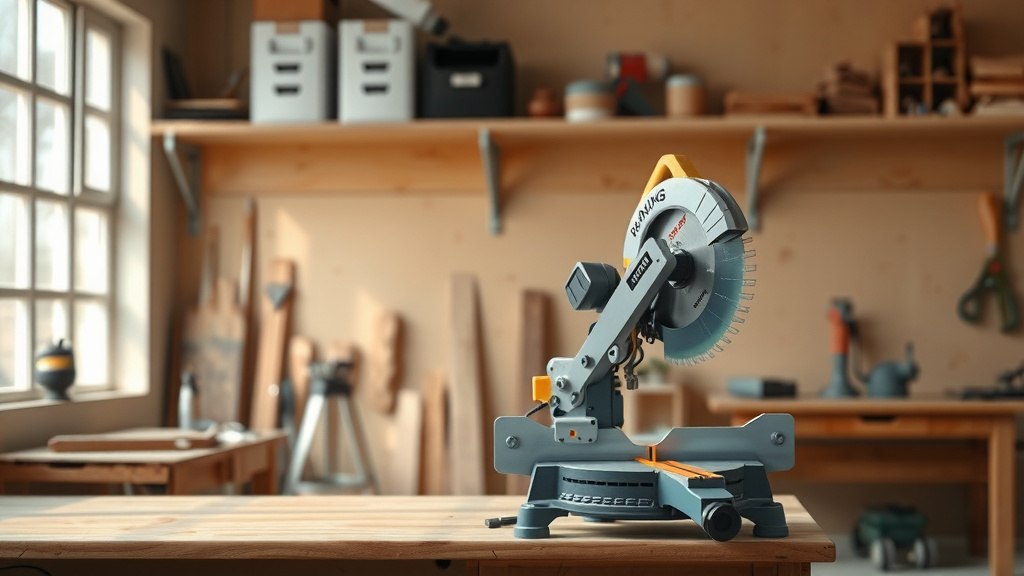
You can typically fix a miter saw by systematically checking its power source, replacing worn blades, or adjusting its alignment settings.
Many common miter saw problems, from failing to start to inaccurate cuts, often have straightforward solutions you can handle yourself with basic tools.
- Prioritize safety first: Always unplug your saw before any work.
- No power? Check the cord, outlet, breaker, and saw’s internal components like brushes or switches.
- Inaccurate cuts usually point to a dull blade, improper alignment, or a loose fence.
- Troubleshoot systematically: Identify the symptom, then explore the most likely causes one by one.
- Regular cleaning and maintenance can prevent many common saw issues before they start.
How To Fix A Miter Saw?
Miter saws can usually be fixed by troubleshooting common issues like power supply, blade problems, or alignment errors. Addressing these systematically will often bring your saw back to life.
There’s nothing quite as frustrating as your reliable miter saw refusing to cooperate. But don’t toss it out just yet! We found that many common issues are surprisingly simple to resolve. Think of it like a puzzle; we’ll help you find the missing pieces.
Safety First: Your Saw Repair Mantra
Before you touch anything, remember this golden rule: safety is paramount. You wouldn’t clean a loaded gun, right? A miter saw is a powerful tool. It demands respect.
Unplug Your Miter Saw
This isn’t a suggestion; it’s a command. Always unplug your miter saw from the power outlet before inspecting, adjusting, or repairing it. Many guidelines point to this as a non-negotiable first step (OSHA).
Wear Protective Gear
Even when unplugged, blades are sharp, and components can pinch. Slip on some safety glasses and sturdy gloves. It’s better to be overly cautious than to regret it later, don’t you think?
When Your Miter Saw Won’t Turn On
This is a classic head-scratcher. You press the button, and… nothing. No hum, no spin. It’s like your saw decided to take an unscheduled nap. Let’s wake it up!
Check the Power Source and Cord
It sounds obvious, but sometimes the simplest solutions are overlooked. Is the power cord fully plugged in to a working outlet? We found that often a loose connection is the culprit. Try a different outlet.
Next, inspect the cord itself. Look for any visible cuts, frayed wires, or kinks. A damaged cord is not only a problem source but also a serious safety hazard. If it’s damaged, cord replacement is necessary.
Test the Circuit Breaker
Did you hear a pop before it stopped? Your circuit breaker might have tripped. Head to your electrical panel and look for a breaker that’s in the ‘off’ or middle position. Simply flip it back to ‘on’.
Examine the Power Switch
The switch itself can fail over time. If you have a multimeter, you can check for continuity when the switch is engaged. No continuity means a faulty power switch, which often needs replacing.
Inspect Carbon Brushes
Many universal motors, common in miter saws, rely on carbon brushes. These wear down. If they’re too short, the motor won’t get power. We often find that replacing worn carbon brushes can bring a seemingly dead saw back to life. They are usually located in small caps on the side of the motor housing.
Fixing Blade-Related Problems
The blade is the heart of your saw’s cutting ability. If it’s acting up, your cuts will suffer. Let’s get that blade back in top form.
Dull or Damaged Blade
A dull blade is like trying to cut butter with a spoon; it’s frustrating and messy. It can cause burning, tear-out, and rough cuts. If your saw struggles to cut or leaves poor finishes, consider a new blade. Many experts say a sharp blade is the key to both safety and quality.
Wobbling or Loose Blade
A wobbling blade is not only dangerous but makes accurate cuts impossible. First, check the blade nut. Is it tight? Then, inspect the blade washers (flanges) on either side of the blade. They should be clean and flat. If the blade itself is bent, you will need to replace it.
Blade Not Spinning Freely
Sometimes the blade might be grinding or not reaching full speed. This could be due to debris caught around the arbor, a bent blade, or an issue with the brake mechanism. Clean around the arbor thoroughly. If the brake is sticking, a professional might be needed, though some models allow for simple adjustments.
Addressing Accuracy Issues
You rely on your miter saw for precise cuts. When those cuts aren’t square or true, it feels like a betrayal. Let’s recalibrate your saw for perfection.
Miter Angle Is Off
If your 90-degree cuts aren’t truly square, your fence or miter detents might need adjustment. Research often connects these issues to slight factory misalignments or wear over time. Many saws have adjustment screws for the fence. Use a reliable speed square or combination square to check and adjust.
Bevel Angle Is Incorrect
When cutting bevels, your saw might not hit the exact angle. This often relates to the bevel stop. Locate your saw’s bevel stop mechanism and use a digital angle gauge to check and fine-tune the setting. Remember, even a degree off can make a big difference.
Laser Guide Misfire
Your laser guide is a handy visual aid, but it’s not always perfect. If your laser line isn’t lining up with the blade’s cut, it likely needs adjustment. Most miter saws have small screws near the laser that allow you to move the line left or right. Calibrate it with a test cut on scrap wood.
Table: Common Miter Saw Problems and Quick Fixes
| Problem | Symptom | Quick Fix |
|---|---|---|
| No Power | Saw won’t turn on at all. | Check power cord, outlet, breaker, carbon brushes. |
| Poor Cuts | Rough edges, burning, tear-out. | Replace dull blade, check blade for damage. |
| Inaccurate Cuts | Angles are not square or true. | Adjust fence, miter detents, or bevel stops. |
| Blade Wobble | Blade moves side-to-side during cut. | Tighten blade nut, check blade flanges, replace bent blade. |
| Motor Sparking | Excessive sparks from motor housing. | Replace worn carbon brushes. |
| Sliding Stickiness | Arm is hard to push/pull on sliding saws. | Clean rails, apply dry lubricant. |
Other Common Miter Saw Issues
Beyond the major power and accuracy concerns, a few other quirks can pop up. These are often easy to handle once you know what to look for.
Sticky Sliding Mechanism
For sliding miter saws, a sticky arm can ruin your workflow. We found that dust and grime often build up on the rails. Clean the sliding rails thoroughly with a cloth. Then, apply a dry lubricant specifically designed for tools, avoiding oily lubricants that attract more dust.
Weak Dust Collection
Is your shop looking like a snowstorm after every cut? Check your dust collection system. Ensure the dust bag or vacuum hose is clear and not clogged. Sometimes the internal impeller can get packed with sawdust. A thorough cleaning often resolves this.
Pre-Repair Safety Checklist
Before you dive into any repair, run through this quick checklist to keep yourself safe:
- Is the saw unplugged from the power source?
- Are you wearing safety glasses?
- Are you wearing protective gloves?
- Do you have the right tools for the job (screwdrivers, wrenches, multimeter)?
- Is your work area clear and well-lit?
Conclusion
Fixing a miter saw might seem daunting at first, but with a systematic approach, many issues are well within your grasp. Remember to prioritize safety above all else – unplugging is your best friend!
From power problems to precision snags, a little investigation and some basic adjustments can often bring your trusty tool back to peak performance. Don’t be afraid to get your hands dirty; you might just find that you’re a natural at miter saw maintenance. Many experts agree that understanding your tools helps you use them better.
How often should I change my miter saw blade?
The frequency depends heavily on usage and the type of material you cut. For typical DIY use on various woods, changing your blade every few months to a year is common. Professional users cutting harder materials might need to replace it more frequently. Listen to your saw; if it struggles, burns wood, or leaves rough cuts, it’s likely time for a new blade.
Can I use WD-40 on my miter saw?
While WD-40 can be a temporary lubricant, it often attracts dust and can become sticky over time, potentially worsening problems like a stiff sliding mechanism. Many tool experts recommend using a dry lubricant, like a PTFE-based spray or silicone spray, especially for parts exposed to sawdust. For bearings, consult your saw’s manual for specific lubrication recommendations.
What causes a miter saw to smoke?
Smoking from a miter saw is a sign of excessive friction or strain. Common causes include a dull or dirty blade, which forces the motor to work harder. It could also be from cutting too quickly, using the wrong blade for the material, or a motor issue like failing carbon brushes or overheating. Stop cutting immediately if you see smoke and investigate the cause.
Is it worth repairing an old miter saw?
Whether it’s worth repairing an old miter saw depends on the cost of the repair versus the cost of a new saw, and the extent of the damage. Simple fixes like replacing a blade, cord, or carbon brushes are usually very cost-effective. However, if the motor is burned out or there’s significant structural damage, the repair costs might approach or exceed the price of a brand-new, often more advanced, model.
How do I reset the brake on my miter saw?
Miter saw brakes are usually an electromagnetic or mechanical system. There isn’t typically a manual “reset” button for the brake itself. If the brake isn’t working, it could be due to worn carbon brushes (which also power the brake circuit), a faulty switch, or an internal issue with the motor or brake assembly. For most users, fixing a brake issue often involves replacing the brushes or consulting a service center if the problem persists.
