Is A 10 Inch Miter Saw Big Enough?
A 10-inch miter saw is often big enough for most common DIY and home improvement projects, especially those involving trim, decking, and standard lumber cuts. It provides ample cutting capacity for many tasks without taking up too much space.
However, its suitability ultimately depends on the specific project dimensions you’re tackling, as very wide or thick materials might require a larger 12-inch model or a sliding miter saw.
- A 10-inch miter saw excels at common tasks like trim work, picture frames, and small lumber.
- You get good portability and often a more budget-friendly price point with a 10-inch saw.
- Limitations appear with wider boards or larger timbers; a sliding feature can greatly extend its reach.
- Always check the saw’s specific cut capacity against your project needs before making a choice.
- For professionals or those regularly working with large materials, a 12-inch or sliding saw might be a better fit.
Is A 10 Inch Miter Saw Big Enough?
Yes, for the majority of everyday woodworking and home improvement tasks, a 10-inch miter saw is absolutely big enough. It handles common lumber sizes and finish work with ease.
What Can a 10-Inch Miter Saw Really Do?
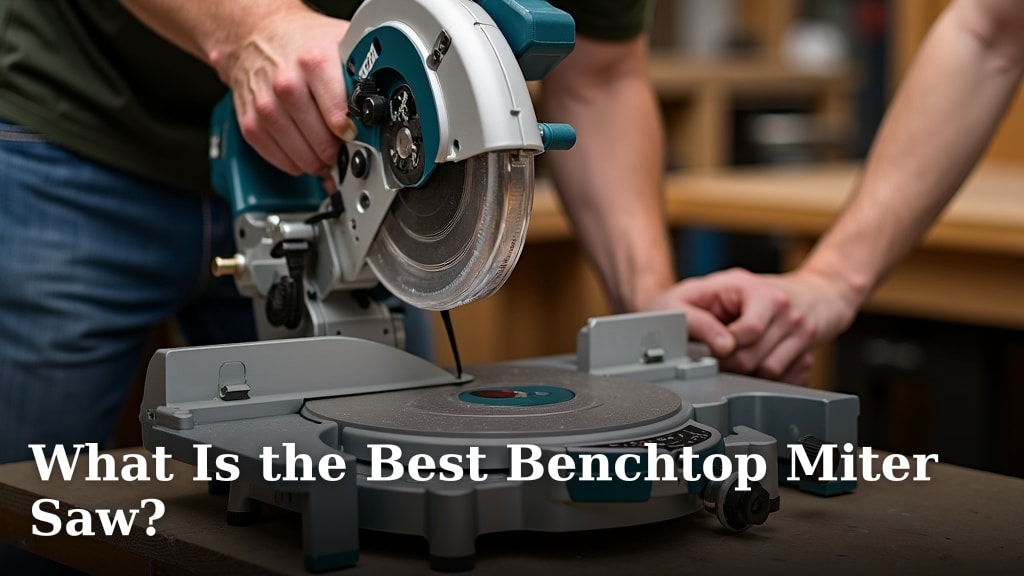
You might be surprised by the versatility of a 10-inch miter saw. We found that it handles a wide array of projects, making it a go-to tool for many workshops. Think about all your trim work, from baseboards to crown molding. This saw makes those precise cuts simple.
Are you building picture frames? How about small shelving units? A 10-inch saw provides the accuracy and power needed for these tasks. It’s also excellent for cutting deck boards or fence pickets to length, offering clean and consistent results.
Understanding the Limits: When a 10-Inch Might Feel Small
While powerful, a 10-inch miter saw does have its limits. You might start to feel restricted when working with very wide materials. For example, trying to crosscut a 2×12 piece of lumber without a sliding feature can be a challenge. Depth of cut also plays a role, especially when dealing with thicker posts or beams.
Consider your most frequent projects. If you’re always cutting standard dimensional lumber, a 10-inch is perfect. But if your projects regularly involve larger stock, you might find yourself wishing for more blade or a different setup (Industry research suggests).
Decoding Cut Capacity: What It Means For Your Projects
When we talk about a saw’s “cut capacity,” we’re referring to the maximum size of material it can cut. This includes both width and thickness, usually at a 90-degree angle (straight cut) and a 45-degree angle (miter cut). A saw’s fence height and blade diameter define these limits. You will always want to match your material size with the saw’s stated capacity.
Standard 10-Inch Miter Saw Cut Capacities
Here’s a general idea of what a typical 10-inch miter saw can handle. Remember, these are approximations, and your specific saw’s manual will have exact figures. This table is for a non-sliding 10-inch model.
| Cut Type | Typical Max Cut (Approx.) |
|---|---|
| 90-degree Crosscut | Up to 6 inches wide (e.g., 2×6) |
| 45-degree Miter Cut | Up to 4 inches wide (e.g., 2×4) |
| Max Depth of Cut | Around 3-3.5 inches |
The Power of a Sliding Feature: Extending Your Reach
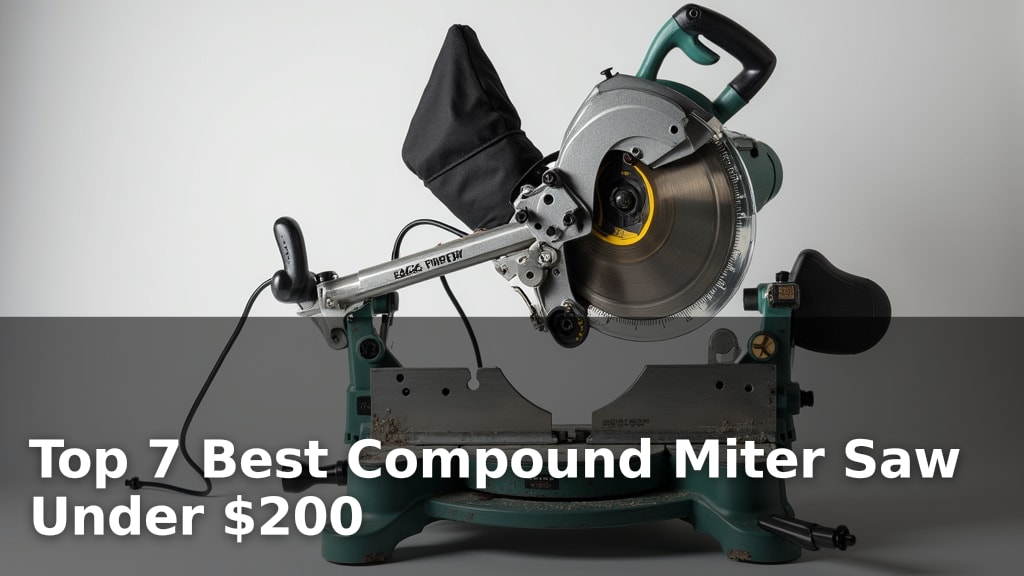
Now, here’s where the game changes: a sliding miter saw. Even a 10-inch model with a sliding arm can dramatically increase your crosscut capacity. Suddenly, that 6-inch limit can stretch to 12 inches or more. This feature is a real boon if you work with wider boards but still want the compactness of a 10-inch blade.
Many experts say that if you’re on the fence between a standard 10-inch and a 12-inch, a 10-inch sliding miter saw offers a fantastic compromise. You get the smaller blade’s advantages (often cheaper blades, slightly more precise cuts for fine work) with the capacity of a larger non-sliding saw.
10-Inch vs. 12-Inch Miter Saws: The Key Differences
When you’re trying to decide, the 10-inch and 12-inch saws each have their sweet spots. A 10-inch saw is generally lighter and more portable, perfect if you need to move it around your workspace or to different job sites. Its blades are also typically less expensive to replace, which can save you money over time.
A 12-inch miter saw, on the other hand, offers greater maximum cutting depth and width right out of the box, even without a sliding feature. It’s often preferred for heavy-duty construction or if you consistently work with large framing lumber. However, it’s usually heavier, bulkier, and its blades cost more.
Project Suitability Checklist: Is Your Project a Good Fit?
Before you commit, quickly run through this checklist to see if a 10-inch miter saw will meet your needs:
- Are you primarily cutting trim, molding, or baseboards? (Yes)
- Do your projects involve standard 2×4, 2×6, or 2×8 lumber? (Yes)
- Will you be cutting decking or fence boards? (Yes)
- Do you need to make precise, smaller cuts for crafts or furniture? (Yes)
- Is portability an important factor for your workshop setup? (Yes)
- Do you rarely work with material wider than 8-10 inches? (Yes, especially with a slider)
Beyond Blade Size: Other Important Considerations
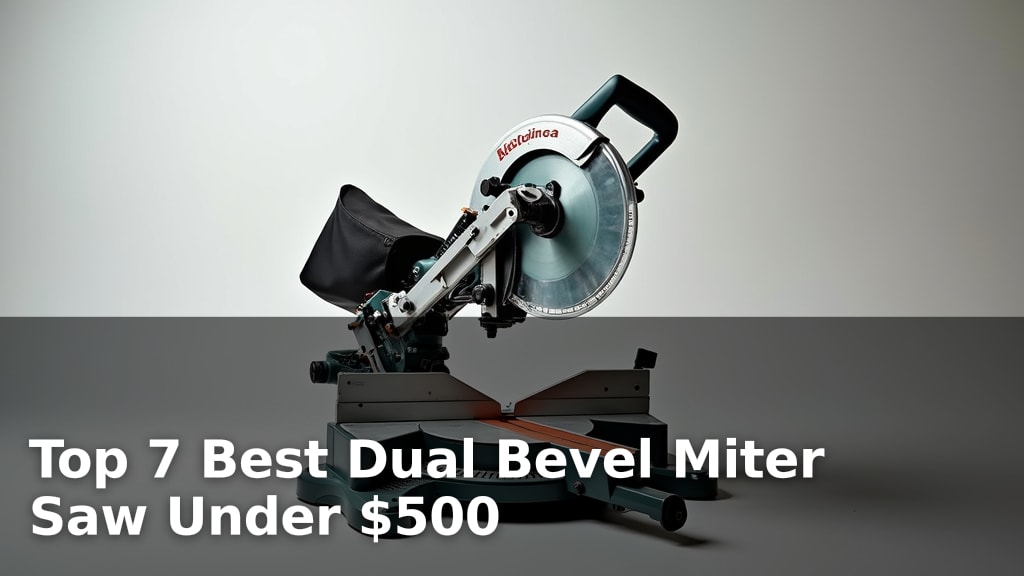
While blade size is a big factor, it’s not the only one. You should also think about the saw’s motor power. A more powerful motor means smoother cuts and less bogging down, even on tougher woods. Dust collection systems are also vital for a cleaner, safer workspace. Consider the fence design for accuracy, and the bevel capabilities (single or dual bevel) for more complex angles.
Budgeting for Your Saw: Cost vs. Capability
Your budget often plays a role in your tool choice. A 10-inch miter saw, especially a non-sliding model, is typically more budget-friendly upfront. This can free up funds for other essential tools or accessories. While a 12-inch or sliding saw offers more capacity, you’ll pay a premium for those features. Balance what you can afford with what your projects truly demand (Professional woodworkers often consider this).
Workspace Matters: Making Room for Your Saw
Where will your miter saw live? A 10-inch saw generally has a smaller footprint, which is great for compact workshops or if you need to store it away. A 12-inch saw, particularly a sliding one, requires significantly more depth on your workbench. Always measure your available space before buying to avoid any frustrating surprises.
When to Absolutely Get a Bigger Saw
Sometimes, a 10-inch just won’t cut it (pun intended!). If you’re a professional carpenter who consistently frames houses, or if your hobby involves building large furniture from wide slabs, a 12-inch miter saw or a larger sliding model is probably a better investment. When you frequently need to crosscut materials wider than 10-12 inches or very thick stock, don’t compromise. The frustration and time lost trying to make a smaller saw do a big saw’s job aren’t worth it.
Conclusion
A 10-inch miter saw is a fantastic, versatile tool that will meet the needs of most DIY enthusiasts and home improvers. Its blend of power, precision, and portability makes it an excellent choice for a wide range of projects, from intricate trim work to general carpentry. While it has limitations for very wide or thick materials, the addition of a sliding feature can significantly boost its capabilities. We always recommend considering your specific project requirements, available space, and budget to ensure you choose the best miter saw for your workshop. Don’t underestimate the power of a well-chosen 10-inch saw!
Frequently Asked Questions About 10-Inch Miter Saws
Can a 10-inch miter saw cut a 4×4 post?
Yes, most 10-inch miter saws can cut a standard 4×4 post. They typically have enough depth of cut (around 3 to 3.5 inches) to go through the material in a single pass. Always ensure your post is securely clamped before cutting.
Are 10-inch miter saw blades cheaper than 12-inch blades?
Generally, yes, 10-inch miter saw blades are less expensive than their 12-inch counterparts. This is a recurring cost benefit over the life of your saw, especially if you frequently replace blades or use different types for various materials.
What’s the main advantage of a 10-inch sliding miter saw over a non-sliding one?
The primary advantage is vastly increased crosscut capacity. A 10-inch sliding miter saw can often cut boards up to 12-14 inches wide in a single pass, whereas a non-sliding 10-inch saw is typically limited to around 6 inches.
Is a 10-inch miter saw good for professional use?
For many professional tasks, especially finish carpentry, trim installation, or flooring, a 10-inch miter saw is perfectly adequate and often preferred for its precision and portability. However, for heavy framing or continuous work with very large lumber, a 12-inch model might be more efficient.
Can I use a different size blade on my 10-inch miter saw?
No, you should only use blades that match the exact diameter specified by your saw’s manufacturer. Using an incorrect blade size can be extremely dangerous, damage your saw, and compromise cut quality. Always check your saw’s manual for the correct blade specifications.