
What Is the Best Benchtop Miter Saw?
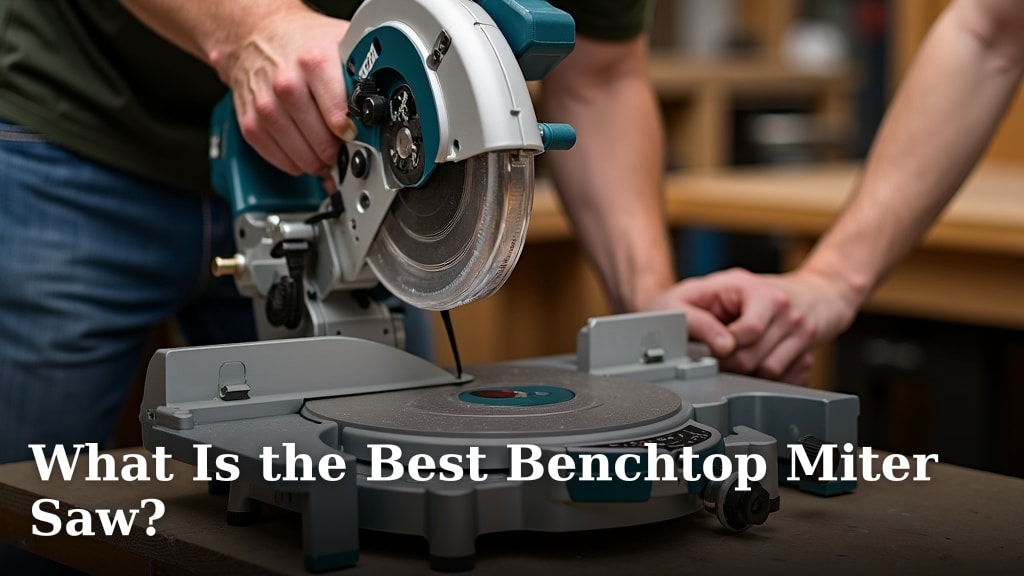
The best benchtop miter saw for your needs really depends on your projects and budget. For most DIYers, a 10-inch sliding miter saw from brands like Bosch or DeWalt offers a great balance of features and affordability. These saws can handle a wide variety of cuts for woodworking and home improvement tasks.
Choosing the right miter saw means looking at power, cutting capacity, and ease of use. You’ll want a saw that feels sturdy and provides accurate, repeatable cuts. Think about the types of materials you’ll be cutting most often, like dimensional lumber or trim.
- Best Overall: Often a 10-inch sliding model from a reputable brand.
- Key Features: Look for good power, accurate bevels, and a sturdy fence.
- Budget Options: Many brands offer excellent value saws that are still very capable.
- Consider Your Projects: Match the saw’s capacity to the size of your typical work.
Let’s dive into what makes a miter saw great and help you find the perfect one for your workshop.
Finding Your Ideal Benchtop Miter Saw
So, you’re in the market for a benchtop miter saw, huh? It’s a fantastic tool to have in your workshop. It can make those tricky angled cuts feel like a breeze. But with so many options out there, how do you pick the best one for your projects? We’re here to help you cut through the noise.
Think of your miter saw like a specialized chef’s knife. You wouldn’t use a butter knife to chop a steak, right? The same goes for saws. The right miter saw will make your work easier and more accurate. We’ll look at what makes a saw great, from its power to its capacity, and help you find the perfect fit for your workshop.
Understanding Miter Saw Basics
Before we jump into specific models, let’s quickly go over what a benchtop miter saw does. Its main job is to make precise crosscuts and miter cuts (angled cuts). This is essential for framing, trim work, and even building furniture. Most benchtop models sit on a workbench or a dedicated stand. They’re more portable than their large floor-standing cousins.
Blade Size Matters
The blade diameter is a key spec. Most benchtop miter saws come with 10-inch or 12-inch blades. A 10-inch saw is a great all-rounder for most DIYers. It can handle common lumber sizes and trim. A 12-inch saw offers a bit more cutting capacity. This means it can slice through wider boards in a single pass. If you often work with 2x6s or larger, a 12-inch might be worth the extra cost.
Power: It’s Not Just About Horsepower
When you look at miter saws, you’ll see amp ratings. Higher amps generally mean more power. This translates to the saw’s ability to cut through tougher materials without bogging down. For most home projects, a saw with 10 to 15 amps is usually plenty. If you plan on cutting hardwoods or doing heavy-duty work, you might want to lean towards the higher end of that range. We found that even less powerful saws can tackle many tasks if you feed the wood steadily.
Key Features That Make a Difference
Beyond the basic specs, several features can really improve your experience. These are the little things that make a big difference in accuracy and ease of use. We’ve found that paying attention to these details can save you a lot of frustration down the line.
The Fence: Your Saw’s Backbone
The fence is the vertical support at the back of the saw’s base. It guides your material for square cuts. A sturdy fence is crucial for accurate results. Look for fences that are tall and extend above the blade. Some fences also have adjustable inserts, which can be handy for supporting smaller pieces of wood or making bevel cuts more stable.
Sliding vs. Non-Sliding
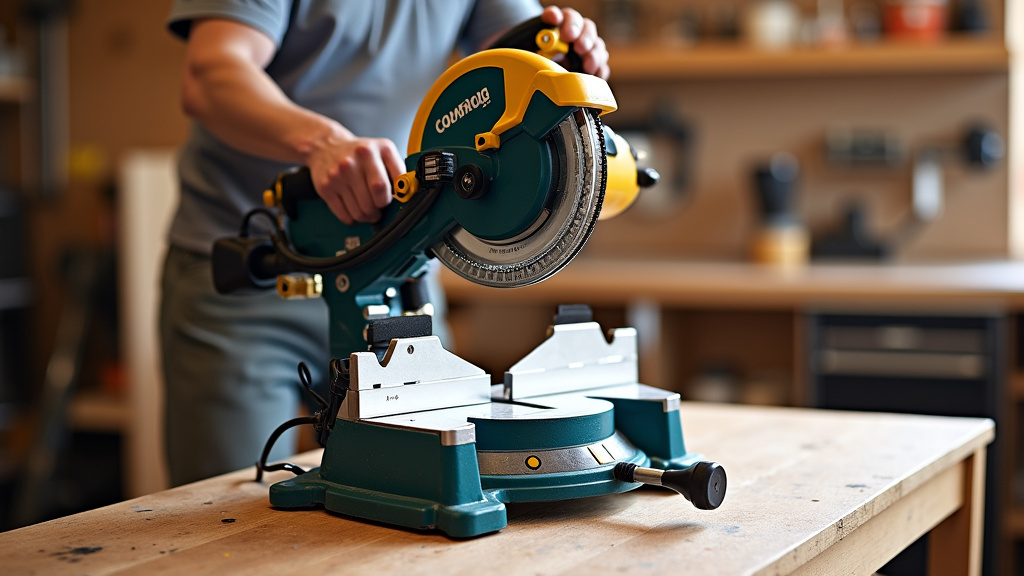
This is a big one! A sliding miter saw has rails that allow the blade to move forward and backward. This increases the cutting capacity significantly. A non-sliding saw has a fixed head. If you need to cut wider boards (like 2x10s or larger), a sliding saw is almost a necessity. For smaller trim and 2x4s, a non-sliding saw might be sufficient. Many experts say the added versatility of a sliding saw is worth the extra investment for most users.
Miter and Bevel Adjustments: Precision is Key
Miter cuts are angles left or right. Bevel cuts are angles up and down. Both adjustments need to be smooth and lock securely. Look for saws with clear markings on the miter and bevel scales. Some saws have detents, which are pre-set stops at common angles (like 45 and 90 degrees). These can speed up your work significantly. We found that saws with positive detents are generally more accurate and easier to set.
Dust Collection: The Unsung Hero
Let’s be honest, woodworking can be messy. Miter saws create a lot of dust. Most saws have a port to connect a shop vacuum or dust bag. Good dust collection isn’t just about cleanliness; it’s also about safety and visibility. You can see your cut line much better when there isn’t a cloud of sawdust obscuring it. Some systems are better than others, so check reviews if this is a high priority for you.
Ergonomics and Safety Features
You’ll be using this saw a lot, so comfort is important. How does the trigger feel? Is the handle comfortable to grip? Many saws have electric brakes that stop the blade quickly. This is a great safety feature. Also, look for blade guards that fully enclose the blade when it’s not in use. Always read the owner’s manual before operating any power tool, and wear your safety glasses!
Comparing Top Brands and Models
When it comes to benchtop miter saws, a few brands consistently get high marks from users and reviewers. We looked at a few popular choices to give you a general idea. Our guide to what is a good miter saw brand can help you navigate these choices.
| Brand Example | Typical Blade Size | Common Features | Best For |
|---|---|---|---|
| Bosch | 10-inch, 12-inch | Accuracy, good dust collection, smooth operation | DIYers, trim work, furniture building |
| DeWalt | 10-inch, 12-inch | Durability, power, reliable performance | Homeowners, contractors, heavier use |
| Makita | 10-inch, 12-inch | Innovation, compact design, ease of use | Woodworkers, frequent mobile use |
| Ryobi | 10-inch | Affordability, good for basic DIY tasks | Beginners, budget-conscious DIYers |
Many users find that Bosch and DeWalt offer a solid blend of features, performance, and durability for the price. Makita often appeals to those who appreciate thoughtful design and portability. Ryobi is a great entry point for those on a tighter budget, offering capable saws for simpler tasks. We found that researching specific models within these brands based on your needs is the next best step.
Making Your Final Decision: A Checklist
Ready to narrow it down? Here’s a quick checklist to guide you:
- Project Scope: What size materials will you cut most often?
- Budget: How much are you willing to spend?
- Sliding Needed?: Do you need to cut wider boards?
- Power Requirements: Will you be cutting hardwoods or dense materials?
- Brand Reputation: Do you have a preferred brand with a good track record?
- Reviews: What are other users saying about accuracy and durability?
Conclusion
Finding the best benchtop miter saw involves matching its features to your specific projects and budget. We found that considering blade size, motor power, and key features like a sturdy fence and sliding capacity will lead you to a great choice. Reputable brands like Bosch and DeWalt consistently deliver reliability for many users. Before you buy, make a checklist of your needs, from the types of wood you’ll cut to how wide those pieces might be. Taking a little time to research based on these factors will ensure your new miter saw becomes a trusted workhorse in your shop for years to come.
Frequently Asked Questions
What’s the difference between a 10-inch and a 12-inch miter saw?
A 10-inch miter saw is excellent for most DIY tasks and common lumber sizes. A 12-inch saw offers greater cutting capacity, allowing you to cut wider boards in a single pass. If you frequently work with larger dimension lumber, the 12-inch might be a better fit for your needs.
Is a sliding miter saw necessary for a beginner?
A sliding miter saw offers more versatility by cutting wider materials, which can be helpful even for beginners. However, if your projects mainly involve standard lumber like 2x4s or basic trim, a non-sliding saw can still be perfectly adequate. We found that many beginners start with non-sliding models and are happy.
How much power (amps) do I really need in a benchtop miter saw?
For most home projects, a saw with 10 to 15 amps is sufficient for cutting dimensional lumber and trim. If you plan on working with hardwoods or denser materials regularly, opt for a model on the higher end of that range. You don’t want the saw to bog down when you’re making cuts.
Are expensive miter saws worth the extra cost?
Higher-priced miter saws often come with better build quality, more precise adjustments, superior dust collection, and more powerful motors. If you use your saw frequently or need the utmost accuracy for fine woodworking, the investment can be well worth it. For occasional use on simpler projects, a budget-friendly option can serve you well.
What is the most important feature to look for in a miter saw?
While many features are important, a sturdy fence is critical for accurate cuts. It supports your material and ensures it’s held firmly against the blade. We also found that smooth and well-marked miter and bevel adjustments are essential for achieving the correct angles consistently.
