Choosing Your First Miter Saw: A Beginner’s Guide
Picking out your very first miter saw can feel like a big decision. You want something that performs well without being too complicated. We’ve looked into what makes a miter saw a great starting point. Your goal is a tool that helps you learn and grow as a woodworker.
Understanding Miter Saw Basics for New Users
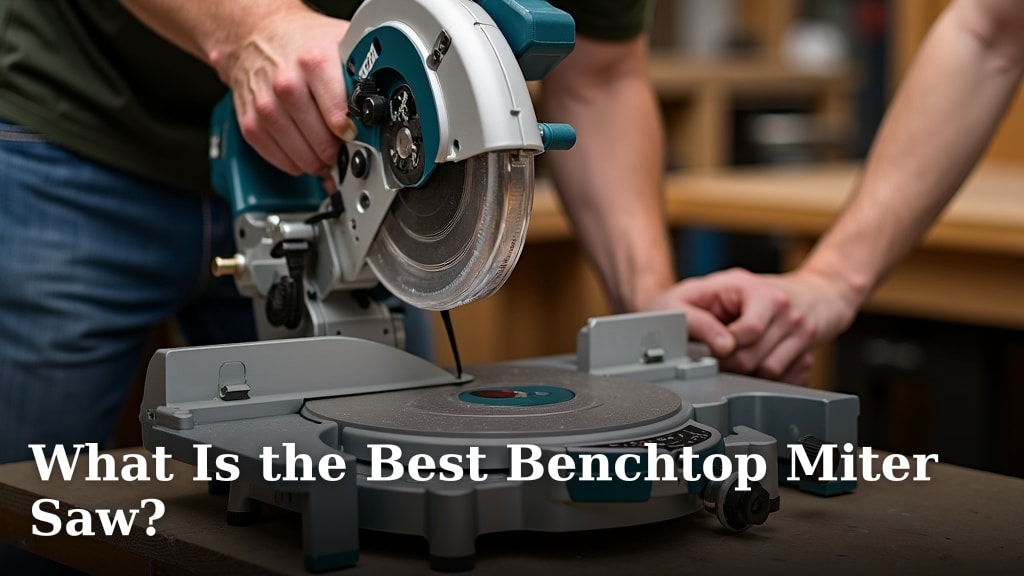
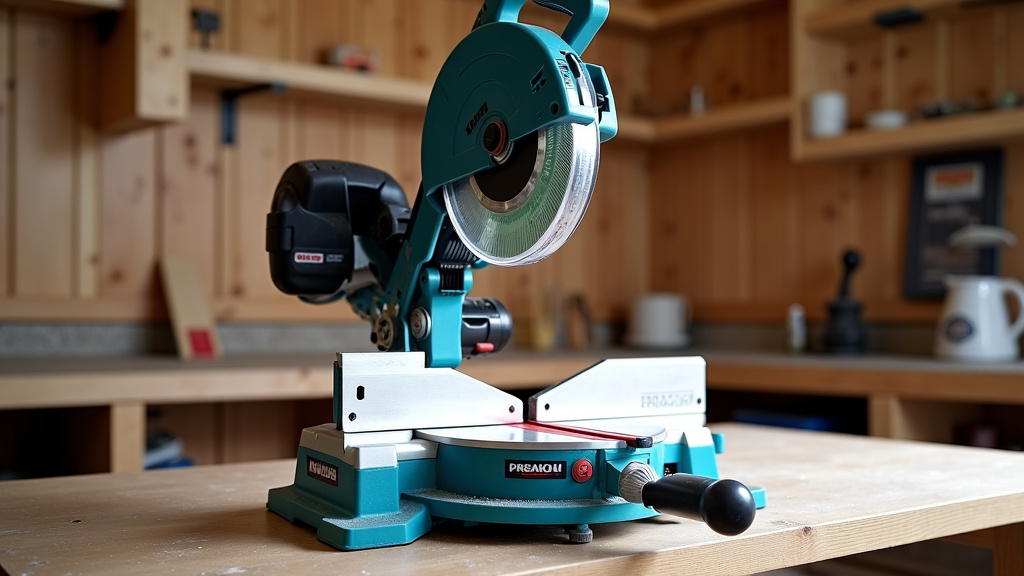
A miter saw is a power tool used for making quick, accurate crosscuts and angled cuts. Think of it as your go-to for chopping wood to size. It has a blade that drops down onto your material. This makes it much easier to get precise cuts. You’ll be cutting trim, molding, and lumber with confidence soon.
What Exactly Can a Miter Saw Do?
Its main job is cutting angles. You can adjust the saw head to cut precise angles, called miter cuts. This is perfect for framing a picture or installing baseboards. You can also tilt the blade for bevel cuts, which are angled cuts on the edge of a board. Many saws also combine these for compound cuts.
Types of Miter Saws for Beginners
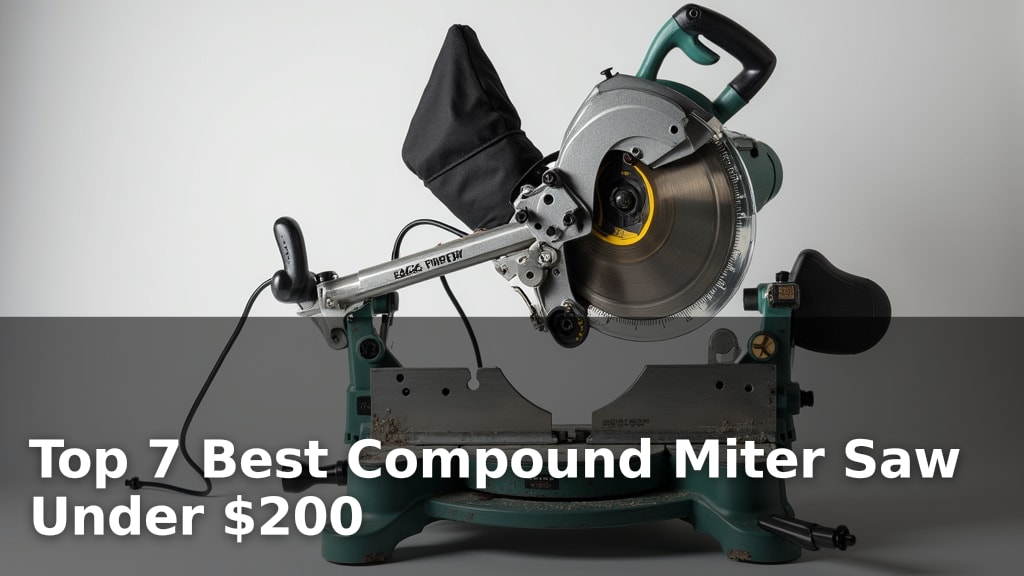
For your first saw, you’ll likely be looking at a few main types. The most common and practical for beginners is the compound miter saw. These allow for both miter and bevel cuts, giving you a lot of versatility.
The Compound Miter Saw Advantage
Why compound? Because it lets you make angled cuts in two directions. You can set an angle left or right (miter) and tilt the blade up or down (bevel) at the same time. This is essential for many woodworking tasks, especially anything involving corners or roofs. You’ll find it’s a workhorse for home projects.
Other Types to Be Aware Of
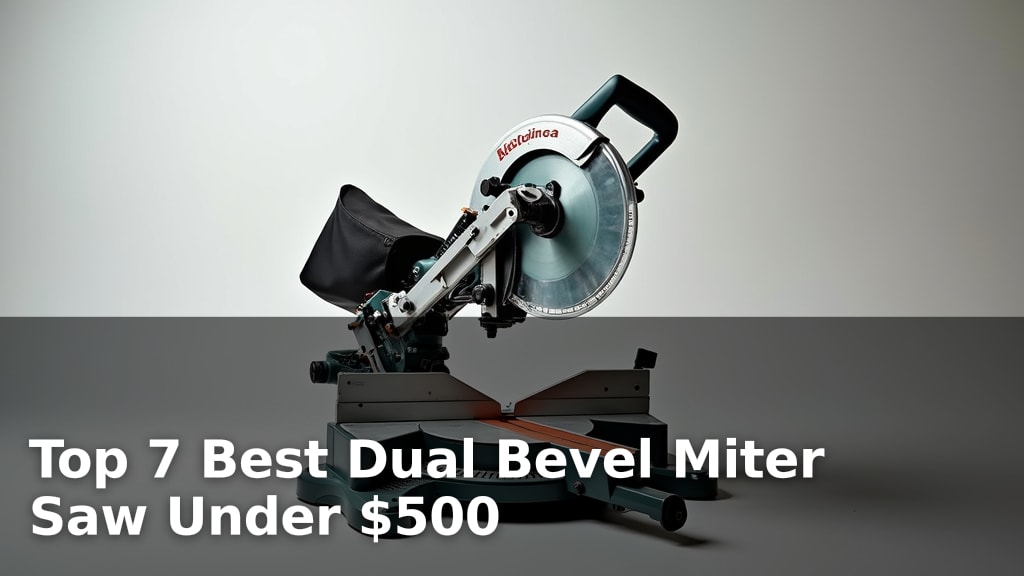
There are also basic miter saws that only cut straight angles. Then there are sliding compound miter saws. These have arms that slide, allowing you to cut wider pieces of wood. For a first-time buyer, a standard compound miter saw is usually the sweet spot for capability and cost. A sliding feature is nice but often adds to the price and complexity you might not need yet. Our guide on whether a sliding compound miter saw is worth the extra cost can help you decide if this feature is right for you.
Key Features to Look For in Your First Miter Saw
When you’re shopping, certain features can make your experience much smoother. We found that some features are really helpful for beginners. They help ensure accuracy and make the saw easier to handle.
Blade Size Matters: 10-Inch vs. 12-Inch
Miter saws come with different blade diameters. The most popular for home use are 10-inch and 12-inch. A 10-inch saw is often lighter and more affordable. It’s great for most common tasks. A 12-inch saw can cut slightly wider pieces. For your first saw, a 10-inch is typically a smart choice. It balances capability with user-friendliness.
Power and Motor Strength
Miter saws are measured in amperage (amps). Higher amps generally mean more power. For most home projects, a saw with 10 to 15 amps is plenty. You want enough power to cut through common lumber without bogging down. If you plan on cutting harder woods regularly, consider a saw on the higher end of that range.
The Importance of a Good Fence
The fence is the upright piece at the back of the saw’s base. It supports your wood and keeps it from moving during a cut. Look for a fence that is tall enough to support your materials. It should also be sturdy and adjustable. A good fence helps ensure straight, accurate cuts. Many beginner saws have adequate fences.
Dust Collection: Keeping Your Workspace Clean
Miter saws create a lot of sawdust. Some saws have built-in dust collection ports. These can hook up to a shop vacuum. While no miter saw collects 100% of the dust, a good system makes a big difference. It helps keep your work area cleaner and reduces airborne dust. This is a feature we found greatly improves the user experience.
Ease of Adjustments and Locking Mechanisms
You’ll be making angle adjustments frequently. Look for a saw where the miter and bevel locks are easy to find and use. Smooth operation here makes quick work of setting up your cuts. You don’t want to fight with knobs and levers.
Helpful Extras: Laser Guides and LED Lights
Some saws come with laser guides. These project a line onto your wood, showing exactly where the blade will cut. This is a huge help for accuracy, especially when you’re starting out. LED lights can also illuminate your cutting area. These aren’t strictly necessary, but they add a lot of convenience. We found that a laser guide can significantly boost your confidence on first cuts.
Budgeting for Your First Miter Saw
You don’t need to spend a fortune to get a great first miter saw. Many excellent options are available for under $200. Some might push slightly over, especially if they have more advanced features. However, quality tools are an investment. They last longer and perform better.
What to Expect at Different Price Points
Entry-level miter saws (under $150) might have fewer features or slightly less durable construction. See our budget miter saws guide for more on this option. But they can still get the job done for basic tasks. Mid-range saws ($150-$300) usually offer a good balance of features, power, and build quality. This is often the sweet spot for first-time buyers. Saws over $300 are typically for professionals or serious hobbyists.
Don’t Forget Accessories!
When budgeting, remember you might need a few extras. A miter saw stand can make a huge difference in usability and safety. It gets the saw off your workbench and to a comfortable working height. You may also need extra blades for different types of cuts. Factor these into your total cost.
Safety First: Using Your Miter Saw Responsibly
Safety is always number one when using power tools. Miter saws are powerful and require respect. Always wear safety glasses to protect your eyes from flying debris. Keep your hands well away from the blade. Never force the saw through the material; let the blade do the work.
Essential Safety Practices
- Always wear safety glasses.
- Keep the work area clean and clear.
- Ensure your workpiece is stable and secure against the fence.
- Never reach over the blade while it’s spinning.
- Read your saw’s manual thoroughly before use.
- Unplug the saw when changing blades or making adjustments.
Understanding Blade Guard Function
Your miter saw comes with a blade guard. This is a critical safety feature. It covers the blade when it’s not in use and retracts as you lower the blade for a cut. Always ensure the guard is functioning correctly. Never try to disable or remove it. Many experts agree that keeping the guard in place is the most basic yet vital safety step (Occupational Safety and Health Administration).
Making Your Final Choice: A Checklist for Beginners
Ready to choose? Here’s a quick rundown of what to look for to ensure you get the best miter saw for your first purchase. This checklist can help you weigh your options.
- Is it a compound miter saw?
- Is the blade size (10-inch) suitable for your needs?
- Does it have a sturdy fence and easy-to-use angle locks?
- Does it have decent dust collection capabilities?
- Is the price within your budget, including potential accessories?
- Are safety features like a blade guard prominent and functional?
Recommended Miter Saw Features for New Users
Based on our research, for a first-time buyer, we recommend focusing on these features. They offer a great balance of performance and ease of use.
| Feature | Why It’s Great for Beginners |
|---|---|
| 10-Inch Blade | Good size, lighter, more affordable than 12-inch. Handles most common cuts. |
| Compound Cutting | Allows both miter and bevel cuts for maximum project versatility. |
| Laser Guide or LED Light | Improves cut accuracy and visibility, boosting confidence. |
| Dust Port | Helps manage sawdust for a cleaner work environment. |
| Ample Power (10-15 Amps) | Sufficient for most common wood types and projects. |
| Ergonomic Controls | Easy-to-access and operate handles and adjustment knobs. |
By considering these points, you’ll be well on your way to selecting a miter saw that serves you well for many projects to come. Happy cutting!