What Is the Best Miter Saw for a Woodworking Hobbyist?
On this page (3 sections)
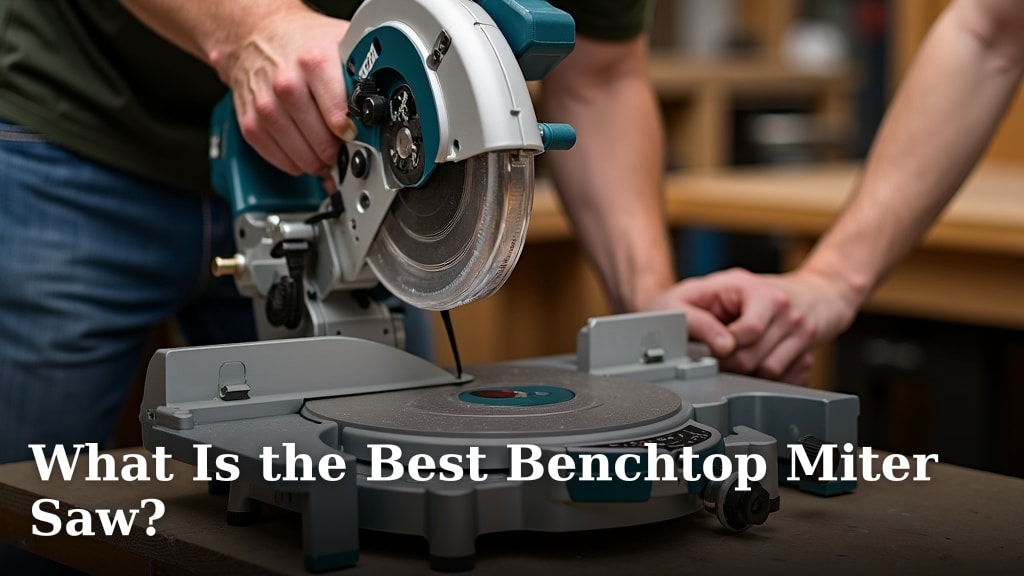
For a woodworking hobbyist, the best miter saw is often a 10 or 12-inch sliding compound miter saw. We found these models offer the versatility and precision you’ll need for most projects, from picture frames to furniture.
You want a saw that handles various cuts easily. This type of miter saw allows for both straight and angled cuts, as well as wider boards. It’s a great balance of capability and manageable size for your home workshop.
- Choose a 10 or 12-inch sliding compound miter saw. For those just starting out, our guide to the best compound miter saw for beginners offers excellent entry-level options.
- Look for models that offer good precision.
- Consider versatility for various woodworking projects.
- Balance capability with workshop space.
Let’s dive deeper into what makes these saws ideal and explore some top recommendations for your woodworking passion.
Choosing the Right Miter Saw for Your Woodworking Passion
For your woodworking journey, a 10 or 12-inch sliding compound miter saw is often the sweet spot. It offers a great blend of cutting power, precision, and versatility. Think of it as your workshop’s trusty sidekick, ready for many projects.
You want a saw that can grow with you. This type of miter saw handles a wide range of tasks, from small decorative cuts to larger structural pieces. It’s about getting the most bang for your buck and your workshop space.
Understanding Miter Saw Types for Hobbyists
Before we dig into specific features, let’s briefly review the main types of miter saws. Knowing these will help you see why the sliding compound version is so recommended for hobbyists. It’s like knowing the difference between a screwdriver and a drill – both useful, but for different jobs.
Standard Miter Saws (Chop Saws)
These are the simplest miter saws. They perform straight crosscuts and miter cuts. Imagine cutting a board at a perfect 90-degree angle or a 45-degree angle. That’s their main job. They are often less expensive and more compact, making them a good entry point.
Compound Miter Saws
A compound miter saw adds the ability to make bevel cuts. This means the blade can tilt to one side, allowing you to cut an angle on the edge of the board. Think about making crown molding or angled picture frames. This feature is really handy for trim work. If you’re specifically interested in trim work, our guide on the best miter saw for crown molding can provide more detailed information.
Sliding Miter Saws
Now, add a sliding rail system to a miter saw. This lets the saw head move forward and backward across the workpiece. What does this mean for you? It greatly increases the crosscut capacity. You can cut much wider boards than with a fixed saw. This is where the magic happens for many woodworking projects.
Sliding Compound Miter Saws
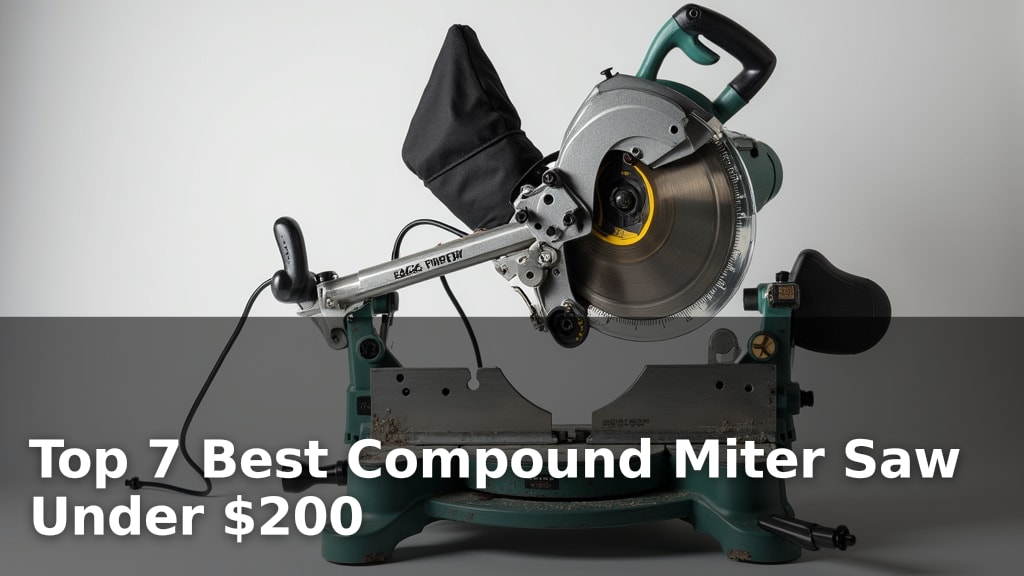
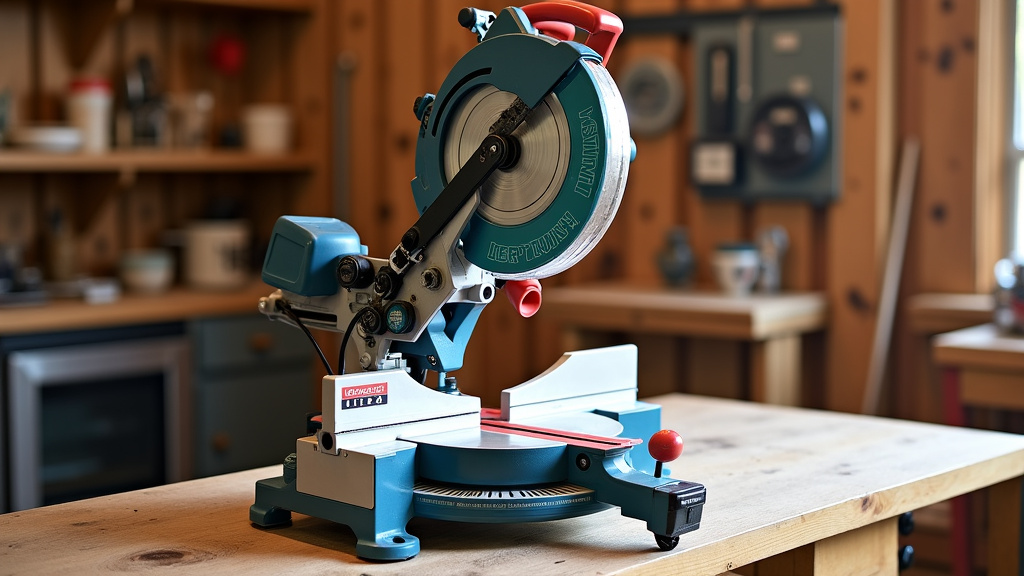
This is the model we’re focusing on. It combines all the features: miter cuts, bevel cuts, and the ability to slide for wider materials. It’s the multi-tool of the miter saw world. We found this type offers the most versatility for a hobbyist’s workshop.
Why a 10-inch or 12-inch Blade Size Matters
The blade size affects two main things: cutting capacity and portability. For a hobbyist, finding the right balance is key. You don’t want a saw that’s too big to move or too small to cut your project pieces.
10-inch Miter Saws
A 10-inch saw is often lighter and more compact. It’s easier to store and move around your workshop. You might find these saws are a bit more budget-friendly too. They are excellent for smaller projects, trim, and many common lumber sizes. Most everyday tasks are well within their reach.
12-inch Miter Saws
A 12-inch saw gives you more cutting depth and width. This is especially useful if you work with thicker lumber or wider boards. If you plan on building larger furniture pieces or cutting thick posts, a 12-inch blade will handle it better. It’s a bit heavier and takes up more space, but its capabilities are often worth it.
| Feature | 10-inch Sliding Compound Miter Saw | 12-inch Sliding Compound Miter Saw |
|---|---|---|
| Max Crosscut (approx.) | 12-14 inches (depending on model) | 14-16 inches (depending on model) |
| Max Thickness (approx.) | 3-3.5 inches | 4-4.5 inches |
| Weight & Footprint | Lighter, more compact | Heavier, larger footprint |
| Common Uses | Trim, picture frames, small furniture, deck boards | Larger furniture, framing, thicker lumber, wider stock |
| Price Point | Often more affordable | Generally higher price |
We found that for most woodworking hobbyists, the 10-inch model is very capable. If you routinely work with larger dimensions, the 12-inch is a solid upgrade. Consider the largest piece of wood you expect to cut when making your choice.
Key Features to Look For in Your Miter Saw
Beyond blade size and type, several features can make your woodworking life much easier. Think of these as the quality-of-life improvements that turn a good tool into a great one. We’ve done the research to highlight what truly matters.
Precision and Accuracy
This is arguably the most important factor. Your cuts need to be accurate for your projects to fit together well. Look for saws with clear, easy-to-read miter and bevel scales. Many models now include laser guides, which can be helpful for lining up cuts precisely.
Check reviews for comments on factory calibration and how easy it is to adjust the saw. A saw that’s easy to dial in will save you a lot of frustration and wasted wood. We found that well-machined fences and positive stops are signs of good accuracy.
Dust Collection
Woodworking creates dust, lots of it! A good dust collection system keeps your workshop cleaner and improves visibility during cuts. While no miter saw collects 100% of the dust, some are much better than others. Look for models with a well-designed dust port that can connect to a shop vacuum.
Ergonomics and Ease of Use
How does the saw feel to operate? Is the handle comfortable? Are the controls easy to reach? You’ll be making many cuts, so a comfortable saw reduces fatigue. Look for features like soft-start motors, which prevent a jarring jolt when you power up the saw, and easy-to-use blade changes.
Safety Features
Safety first, always! A good blade guard that retracts smoothly is essential. Look for an electric brake that stops the blade quickly after you release the trigger. Many saws also have a work clamp to secure your material, which is a great safety addition. Always wear eye protection and hearing protection (CDC).
Durability and Build Quality
You want a saw that will last. Look for models with sturdy construction, metal components where it counts, and a good warranty. A heavier base can also mean less vibration, leading to more accurate cuts. We’ve noticed that reputable brands often offer better long-term reliability.
Essential Accessories for Your Miter Saw
Once you have your saw, a few accessories can make your life even better. These aren’t always included, but they are often worth the extra investment.
- A high-quality blade: The blade that comes with the saw is often just okay. Upgrading to a blade with more teeth (60-80 teeth for fine crosscuts) will give you much cleaner cuts.
- A miter saw stand: This provides a stable, ergonomic workstation. Some stands are portable and fold up, which is great for small shops.
- Clamps: Always secure your material to the fence for safety and accuracy.
- Measuring tools: A good tape measure, speed square, and marking pencil are always useful.
- Dust extractor/shop vac: Connect this to your saw’s dust port for a cleaner workspace.
Making Your Final Decision: A Quick Checklist
To help you choose, here’s a quick checklist of things to consider. Run through these points with each potential saw you’re looking at.
- Is it a sliding compound miter saw?
- Does the blade size (10 or 12-inch) match your typical projects?
- Are the miter and bevel scales easy to read and adjust accurately?
- Does it have a good dust collection system?
- Is it comfortable to use with good safety features?
- Does the brand have a good reputation for durability?
Conclusion
Choosing the right miter saw truly makes a difference in your woodworking hobby. We’ve seen that a 10 or 12-inch compound miter saws for hobbyists offers the best blend of precision, versatility, and manageable size for most home workshops. Focus on features like accuracy, good dust collection, and safety. A quality saw will serve you well for many projects.
Now, take what you’ve learned and confidently research specific models. You’re ready to pick the perfect miter saw that grows with your skills and passion.
Frequently Asked Questions
What’s the main difference between a single-bevel and dual-bevel miter saw?
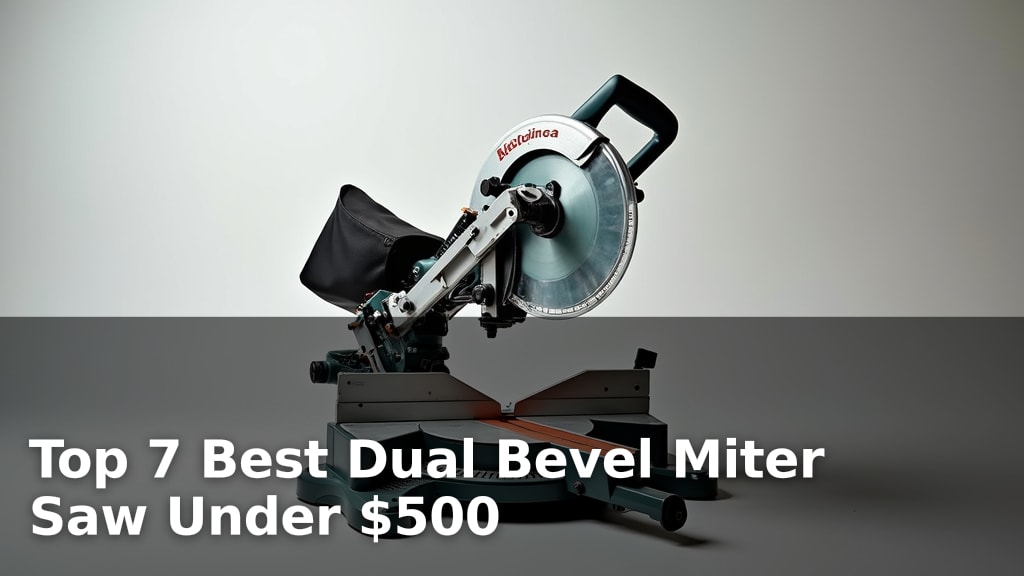
A single-bevel saw only tilts one way (e.g., left) for angled cuts. A dual-bevel saw can tilt both left and right, letting you make all angled cuts without flipping your workpiece. Dual-bevel saws save time and effort.
Do I really need a miter saw stand?
While not strictly required, a miter saw stand provides a stable and ergonomic workstation. It raises the saw to a comfortable height and often includes extensions to support long workpieces. This significantly improves safety and cut accuracy, especially with larger materials.
Can I use a miter saw for dado cuts?
Most standard miter saws are not designed for dado cuts (grooves). They typically only allow for single passes. For dado cuts, you’d generally use a table saw with a dado stack or a router, which can create wider, flat-bottomed grooves.
How often should I replace my miter saw blade?
Blade replacement depends on how often you use your saw and the materials you cut. Look for signs like splintering, burning the wood, or increased effort to push through cuts. A sharp blade is crucial for safety and clean results.
What safety gear is most important when using a miter saw?
Always wear eye protection (safety glasses or goggles) to shield against flying debris. Hearing protection (earmuffs or earplugs) is also vital, as miter saws can be very loud. Consider a dust mask too, especially if you’re not using a dust extractor.