What Size Miter Saw Should I Get?
On this page (6 sections)
The best miter saw size for you largely depends on your project needs. For most DIY and general woodworking tasks, a 10-inch miter saw offers a great balance of cutting capacity and portability.
If you frequently work with wider lumber, like 2x12s, or tackle professional construction projects, a 12-inch miter saw is often the go-to choice, providing a larger cutting capacity.
Here’s a quick overview of what to consider when choosing your miter saw:
- Most people find a 10-inch miter saw is perfect for everyday projects.
- Go for a 12-inch if you’re cutting really wide boards or thick materials often.
- Need to move it around a lot? A 7-1/4 or 8-1/2 inch saw is super portable.
- Think about the thickest wood you’ll typically cut.
- Your workshop space and storage also play a big role in your final decision.
What Size Miter Saw Should I Get?
Choosing the right miter saw size feels like picking the perfect wrench – it has to fit the job. You’re not just buying a tool; you’re investing in your projects. Let’s break down the sizes so you can make a confident decision.
The Miter Saw Basics: What Do the Sizes Mean?
When we talk about miter saw sizes, we’re referring to the diameter of the blade it uses. A larger blade generally means you can cut wider and sometimes thicker pieces of wood. It’s like the difference between a small chef’s knife and a large cleaver; both cut, but for different tasks.
Understanding Cutting Capacity
The blade size directly influences your saw’s cutting capacity. This means how wide and how thick of a board you can cut in a single pass. A bigger blade diameter usually offers more versatility for larger stock (Woodworking Network).
Single Bevel vs. Dual Bevel Saws
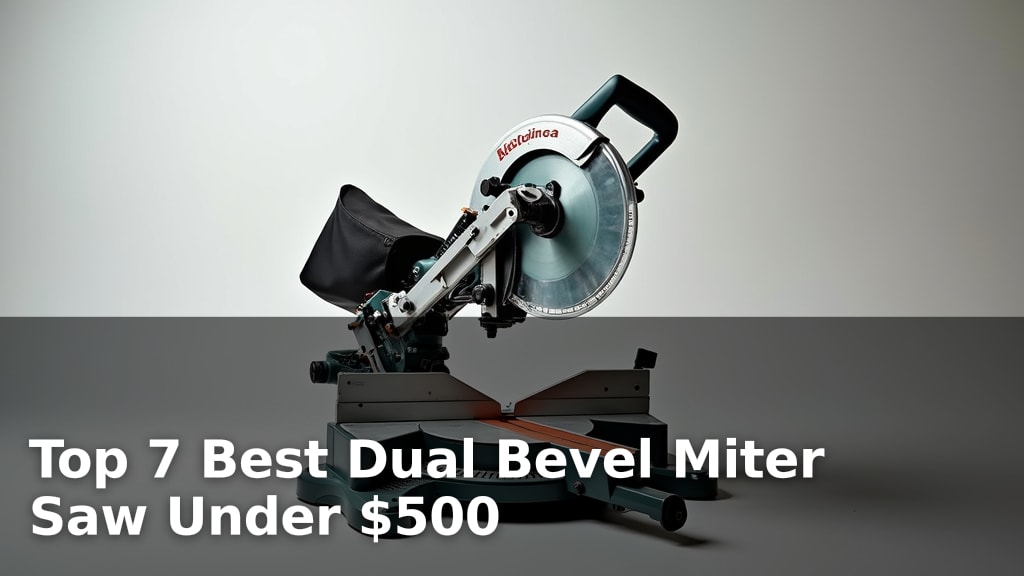
Some miter saws only tilt one way (single bevel), while others tilt both ways (dual bevel). A dual bevel saw saves you time by not having to flip your material, especially helpful on complex cuts. This feature is independent of blade size but enhances functionality.
Sliding vs. Non-Sliding Miter Saws
A sliding miter saw lets the blade move forward and back on rails. This significantly increases your cross-cut capacity, allowing you to cut much wider boards than a non-sliding saw of the same blade size. It’s a game-changer for cutting wider planks, but they do take up more space.
The Common Miter Saw Sizes Explained
Let’s look at the most common sizes you’ll encounter. Each has its own sweet spot for different types of work. Think about what your typical projects look like.
7-1/4 Inch Miter Saws: The Compact Powerhouse
These smaller saws are fantastic for light-duty tasks and highly portable. They are perfect for trim work, small craft projects, or when you need to quickly cut something on the go. Many experts agree they are ideal for a hobbyist with limited space.
- Portability: Incredibly light and easy to carry.
- Space-Saving: Takes up minimal workshop or garage space.
- Ideal For: Small trim, picture frames, small DIY projects.
- Limitations: Limited cutting width and thickness.
8-1/2 Inch Miter Saws: A Step Up in Versatility
An 8-1/2 inch saw offers a bit more cutting capacity than its smaller sibling, while still being quite portable. You might choose this if you need to cut slightly wider boards but still value a compact footprint. It’s a good middle-ground for many homeowners.
10-Inch Miter Saws: The All-Around Champion
This is arguably the most popular size for a good reason. A 10-inch miter saw strikes an excellent balance between capacity, power, and price. It can handle most common lumber sizes for decking, framing, and interior trim work. We found that it’s often recommended as the best starting point for many DIYers (Popular Woodworking).
With a 10-inch sliding compound miter saw, you can cut wider boards, making it incredibly versatile. Many people feel this is the one saw to rule them all if you only have space or budget for one.
12-Inch Miter Saws: For Serious Cutting Power
When you need to cut very wide or thick materials, the 12-inch miter saw is your best friend. It offers the largest cutting capacity, making it ideal for professional framers, deck builders, or those working with heavy-duty lumber. Research shows these are favored on construction sites for efficiency.
However, 12-inch saws are heavier, more expensive, and take up more space. They are often overkill for small projects, but for big jobs, they are simply unbeatable for reach.
Key Factors When Choosing Your Miter Saw Size
Don’t just pick a size based on what your friend has. Consider these points carefully. It’s like buying a car; you think about your daily commute, not just the engine size.
What Projects Will You Be Doing?
This is the most important question. Are you making small craft items, installing baseboards, or building a deck? Your project type dictates the required cutting capacity. Small projects rarely need a massive saw.
What Material Widths Do You Typically Cut?
Measure the widest board you expect to cut regularly. If it’s a 2×4, a 7-1/4 inch saw might work. If you frequently handle 2x10s or 2x12s, you’ll definitely want a 10-inch or 12-inch sliding saw.
Workshop Space and Portability Needs
Do you have a dedicated workshop or do you work in your driveway? Larger saws need more space, especially sliding models. If you need to move your saw from job site to job site, a lighter, more compact model might be better.
Your Budget for a Miter Saw
Generally, larger saws with more features (like sliding and dual bevel) cost more. Consider what you can reasonably spend and if the added capacity is truly worth the extra investment for your typical use.
Miter Saw Size Comparison at a Glance
Here’s a quick chart to help you visualize the differences. It’s like seeing a menu before you order, giving you a clear picture of what’s available.
| Blade Size | Typical Max Crosscut (Non-Sliding) | Typical Max Crosscut (Sliding) | Common Uses |
|---|---|---|---|
| 7-1/4 inch | Up to ~4 inches | Up to ~8 inches | Small trim, picture frames, crafts, light DIY |
| 8-1/2 inch | Up to ~5 inches | Up to ~10 inches | Small framing, decking, common trim, general DIY |
| 10 inch | Up to ~6 inches | Up to ~12 inches | Decking, framing, baseboards, crown molding, most DIY & pro projects |
| 12 inch | Up to ~8 inches | Up to ~14 inches+ | Heavy framing, wide decking, thick lumber, professional construction |
Making Your Final Decision
Choosing your miter saw shouldn’t feel like rocket science. It’s about matching the tool to your tasks. Ask yourself these questions to nail down the perfect size for your needs.
Your Miter Saw Size Checklist:
- Will I primarily be doing small trim or large framing?
- What is the widest board I foresee cutting often?
- How much room do I have in my workshop or garage?
- Do I need to carry this saw to different locations frequently?
- Does my budget allow for a larger, more featured saw, or is a simpler one sufficient?
- Will a sliding feature genuinely save me time and effort on my projects?
Conclusion
The “right” miter saw size isn’t a universal answer; it’s a personal decision based on your specific needs. For most homeowners and DIY enthusiasts, a 10-inch sliding compound miter saw offers the best blend of versatility and manageability. It handles a wide array of projects without being overly cumbersome. If you’re a professional dealing with very large lumber daily, the 12-inch model will be your workhorse. Ultimately, consider your projects, space, and budget, and you’ll find the perfect fit. Your projects will thank you for making an informed choice!
What’s the best miter saw size for crown molding?
For crown molding, a 10-inch or 12-inch sliding compound miter saw is generally recommended. The sliding feature allows for cutting wider crown molding laid flat, and the compound bevel capability is essential for handling the intricate angles involved in crown molding installation.
Can a 10-inch miter saw cut a 4×4 post?
A 10-inch miter saw can cut a 4×4 post, but often not in a single pass. You’ll likely need to cut from one side, then flip the post over and cut from the other side to complete the cut. A 12-inch saw or a sliding miter saw might cut it in one go, depending on the saw’s specific capacity.
Is a 7-1/4 inch miter saw worth buying?
Yes, a 7-1/4 inch miter saw can be very much worth buying if you prioritize portability, compact storage, and primarily work on smaller projects. It’s excellent for tasks like cutting small trim, PVC pipes, or light craft wood. It’s not meant for large framing but excels in convenience.
What is a “compound” miter saw and does it affect size choice?
A “compound” miter saw can make both miter (angle) cuts and bevel (tilt) cuts simultaneously, or independently. This feature is about functionality, not blade size, so it doesn’t directly affect which blade size you pick. However, most modern 10-inch and 12-inch saws are compound, adding versatility.
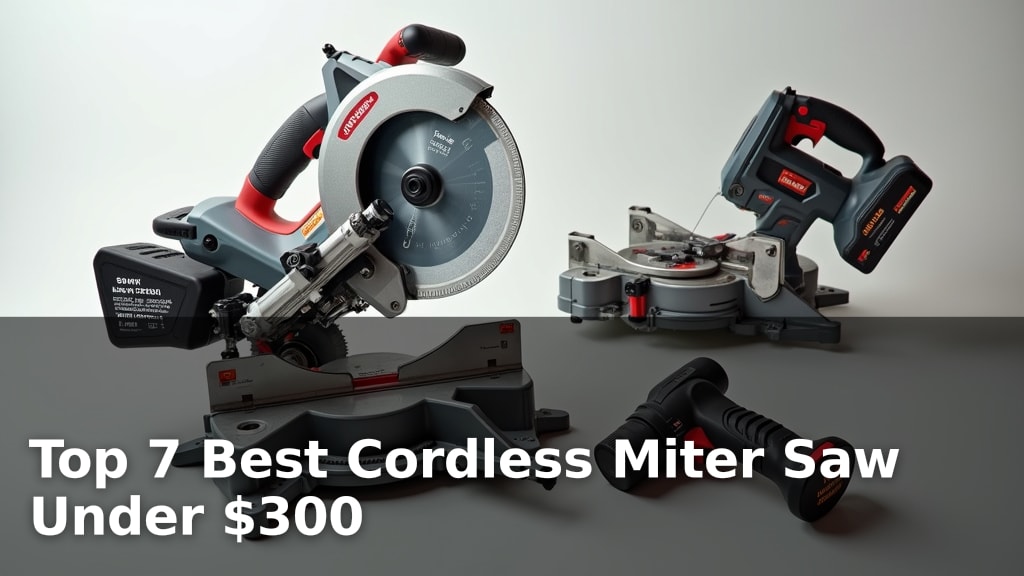
Should I get a corded or cordless miter saw of any size?
The choice between corded and cordless miter saws depends on your power access and portability needs. Corded saws generally offer consistent power for prolonged use. Cordless saws, regardless of size, provide ultimate portability, but battery life and power can be factors for heavy-duty or all-day work. Both types are available in various blade sizes.