
What Is a Good Miter Saw Brand?
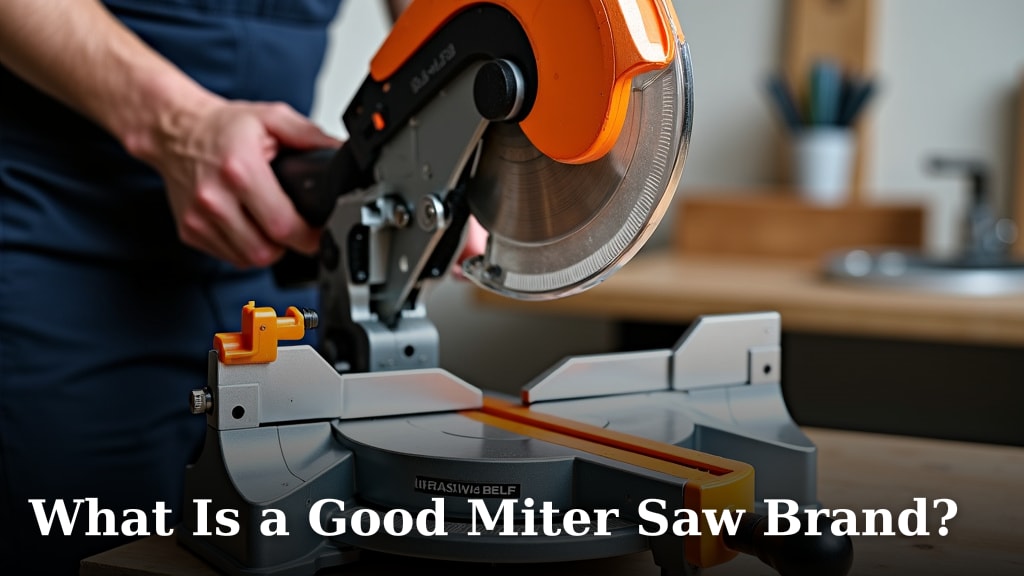
A good miter saw brand balances power, precision, and durability for your woodworking projects. We found that brands like DeWalt, Bosch, and Makita consistently receive high marks from users and experts for their reliable performance.
You want a saw that makes accurate cuts every time. Considering factors like motor strength, blade size, and ease of adjustments is key. We also look at the availability of accessories and customer support when picking a top brand.
- Top miter saw brands offer great precision.
- Look for powerful motors and durable construction.
- Ease of use and adjustments are very important.
- Good customer support makes a difference.
Let’s dive into what makes a miter saw brand truly stand out and help you pick the perfect one for your workshop.
Finding a Reliable Miter Saw Brand for Your Projects
When you’re looking for a miter saw, you want a brand that offers a solid mix of power, precision, and durability. Our research consistently points to a few names that stand out for their quality and user satisfaction. Think of them as the tried-and-true workhorses of the workshop.
A good brand often means you’re investing in a tool that will last, cut accurately, and make your projects easier. It’s like choosing a reliable car; you want something that performs well and you can count on.
Understanding What Makes a Brand “Good”
What really separates a good miter saw brand from a mediocre one? It’s more than just the color of the tool. We found several key factors that contribute to a brand’s reputation and the overall quality of its miter saws.
You’ll want to consider things like the motor’s strength, how accurate the cuts are, and the saw’s overall build. These elements directly impact your project success and safety.
Power and Motor Performance
The motor is the heart of your miter saw. A stronger motor generally means it can handle tougher materials without bogging down. We often see saws with 15-amp motors as a standard for reliability.
This power allows for smooth, consistent cuts through hardwoods, pressure-treated lumber, and even some metals, depending on the blade. You don’t want your saw to struggle halfway through a cut.
Precision and Accuracy
For any woodworking project, accuracy is non-negotiable. A good miter saw brand designs its tools for razor-sharp precision. This means the angles are true, and the fences stay square.
We’ve found that top brands use better manufacturing processes. This results in less wobble and more consistent cuts. Your trim work or framing will look much better with a precise saw.
Durability and Build Quality
Your miter saw is an investment. You want it to withstand years of use in your garage or on a job site. Brands known for good quality often use robust materials like cast aluminum or heavy-gauge steel for critical components.
This sturdy construction means the saw can take a bump or two and still perform perfectly. It also helps reduce vibration, which leads to better cuts and a more comfortable experience for you.
Top Miter Saw Brands You Should Consider
Based on our extensive research and feedback from many users, certain brands consistently rise to the top. These companies have built a strong reputation for producing high-performing miter saws that meet the demands of both professionals and serious DIYers.
You’ll notice these names often appear on “best of” lists. They’ve earned their stripes through consistent quality and innovation over the years.
DeWalt: A Professional Favorite
DeWalt is a name you’ll hear often in workshops and on construction sites. They are renowned for their ruggedness and power. Many pros rely on DeWalt for daily use.
Their miter saws, especially their sliding compound models, are known for excellent dust collection and precise cutting capabilities. We often see features like XPS cross-cut positioning systems, which use an LED light to cast a shadow of the blade onto your workpiece for perfect alignment.
Bosch: Innovation and Ergonomics
Bosch brings a blend of innovation and thoughtful design to their miter saws. Their Axial-Glide™ system is a standout feature, allowing for smooth, compact sliding action without taking up much space behind the saw. This is a huge benefit if your workshop is tight on room.
Users often praise Bosch for its smooth operation and solid feel. They tend to focus on user comfort and intelligent engineering.
Makita: Japanese Engineering Excellence
Makita is another strong contender, known for its powerful motors and smooth cutting action. They often incorporate direct-drive motors, which deliver more consistent power and require less maintenance than belt-driven systems.
You’ll find Makita miter saws to be very reliable and well-balanced. Their attention to detail in manufacturing often results in a tool that feels very refined and capable in your hands.
Other Noteworthy Brands
While DeWalt, Bosch, and Makita often lead the pack, several other brands also offer excellent miter saws. It’s worth looking at these options depending on your budget and specific needs.
- Metabo HPT (formerly Hitachi Power Tools): Known for good value and reliable performance, often favored for job site durability.
- Milwaukee: Excellent for cordless options, providing powerful battery-operated miter saws for ultimate portability.
- Ryobi: A popular choice for DIYers, offering functional saws at a more accessible price point.
Key Features to Look for in Any Miter Saw Brand
Beyond the brand name, specific features can significantly impact your experience. Thinking about these details will help you choose a saw that truly fits your work style.
You’re not just buying a brand; you’re buying a tool with a specific set of capabilities. Let’s break down what matters most.
Blade Size and Capacity
Miter saws come with different blade sizes, typically 10-inch or 12-inch. A 12-inch blade offers greater cutting capacity, allowing you to cut wider boards in a single pass. If you’re frequently working with 2x10s or 2x12s, a 12-inch saw is essential.
For smaller trim work or if space is a concern, a 10-inch saw might be perfectly adequate. It’s all about what you plan to cut most often.
Miter and Bevel Capabilities
Do you need to cut angles in one direction (miter), or both directions (miter and bevel)? A compound miter saw allows for both. A dual-bevel compound miter saw lets you tilt the blade both left and right, saving you time by not having to flip your workpiece.
If you’re tackling crown molding or complex framing, dual-bevel is a huge convenience. It can make tricky cuts much simpler.
Sliding vs. Non-Sliding
A sliding miter saw allows the blade to move forward and backward on rails, greatly increasing its cross-cutting capacity. This means you can cut much wider boards than with a non-sliding saw of the same blade size.
If you work with wide material like shelving or desktop pieces, a slider is a must. Just remember, they often take up more space in your shop.
Dust Collection and Lighting
Wood dust is no joke, both for your health and for keeping your cuts visible. Look for brands that offer effective dust collection systems, whether it’s a bag or a port for attaching a shop vac.
Integrated LED lights can also be a huge help, illuminating your cut line for better accuracy. It’s a small feature that makes a big difference.
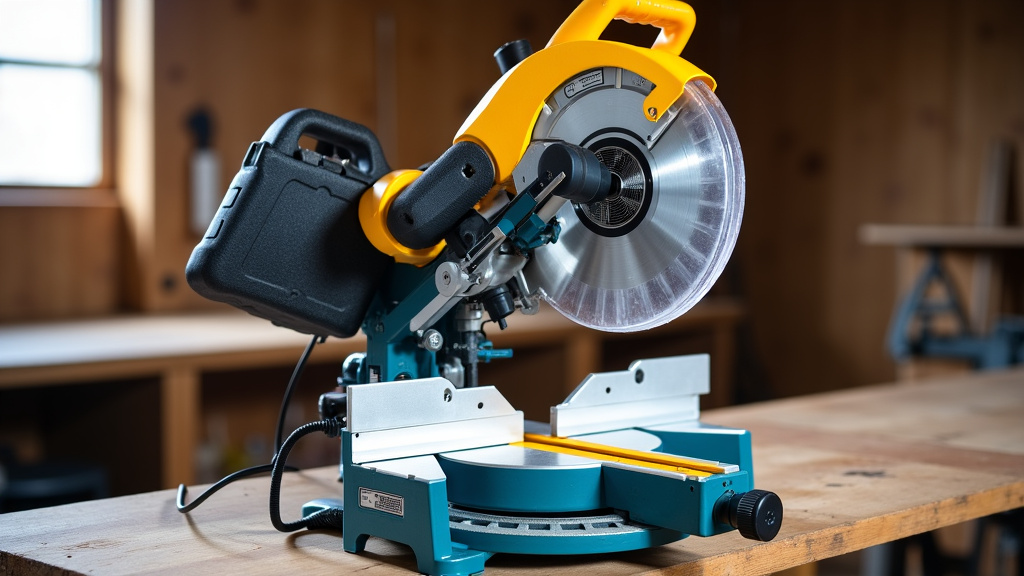
Making Your Final Miter Saw Decision
Choosing the right miter saw brand is a personal decision that balances your needs, budget, and the types of projects you’ll be doing. It’s like picking a good pair of shoes; what works for one person might not work for another.
We suggest you consider your primary use cases and then match them against the strengths of the brands we’ve discussed. Don’t forget about long-term support and warranty too!
A Quick Checklist for Choosing Your Brand
To help you narrow down your choices, here’s a quick checklist:
- What types of materials will you cut most often? (e.g., fine trim, 2x4s, hardwood)
- How often will you use the saw? (Daily, weekly, occasionally?)
- What’s your available workshop space? (Does it accommodate a sliding saw?)
- What’s your budget range? (This helps eliminate or include certain premium brands.)
- Do you need portability, or will it stay in one spot? (Consider cordless options.)
- Are accessories and parts readily available for the brand?
Thinking through these points will guide you toward the brand and model that will serve you best. Happy cutting!
Conclusion
Choosing a good miter saw brand truly comes down to understanding your projects and priorities. We’ve shown you that names like DeWalt, Bosch, and Makita consistently deliver quality, offering the power, precision, and durability you need. However, other brands can also be a great fit depending on your budget or specific feature requirements.
Remember to consider blade size, bevel capabilities, and whether you need a sliding function. Use our checklist to match your needs to the right tool. By doing so, you’ll invest in a miter saw that makes your woodworking more enjoyable and your results more professional. Go ahead and find the perfect partner for your workshop!
Frequently Asked Questions
What’s the main difference between a 10-inch and 12-inch miter saw blade?
The primary difference is cutting capacity. A 12-inch blade allows you to cut wider and thicker materials in a single pass compared to a 10-inch blade. Choose based on the size of the lumber you typically work with.
Is a sliding miter saw always better than a non-sliding one?
Not necessarily. Sliding miter saws offer greater cross-cutting capacity, perfect for wide boards. However, they are typically larger, heavier, and more expensive. A non-sliding saw might be better if you have limited space or mainly cut narrower materials.
How important is dust collection on a miter saw?
Dust collection is very important for both your health and keeping your workspace clean. Effective systems reduce airborne particles and improve visibility of your cut line. Look for saws with good dust ports or bags, or plan to connect a shop vacuum.
Should I prioritize a brand’s warranty when buying a miter saw?
Absolutely. A strong warranty indicates a manufacturer’s confidence in their product and protects your investment. Research a brand’s customer service and warranty policy before purchasing for peace of mind.
Can I use a miter saw for metal?
Most standard miter saws are designed for wood and plastic. To cut metal, you need a specialized metal-cutting miter saw with the correct abrasive blade. Using a wood blade on metal is dangerous and will damage the saw and blade.
