
Is a Miter Saw Safe for Beginners?
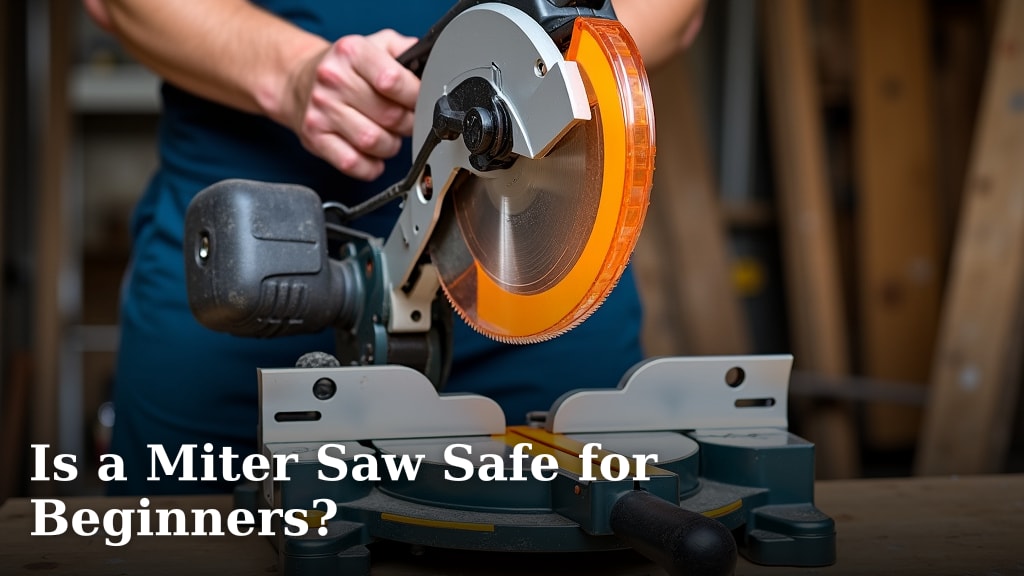
Yes, a miter saw can be safe for beginners, but it requires careful attention to safety guidelines and proper technique. You can learn to use it safely with the right approach and by understanding its power. The key is to respect the tool and always prioritize your safety.
We found that many new woodworkers successfully learn to operate a miter saw without issues. Its design makes it quite intuitive for straight cuts. However, like any power tool, it demands your full attention. Neglecting safety steps can lead to injuries, so education is crucial.
- Miter saws are beginner-friendly with proper safety.
- Always read your saw’s manual first.
- Wear protective gear: safety glasses and hearing protection.
- Secure your workpiece firmly before cutting.
- Never place hands near the blade during operation.
Let’s walk through everything you need to know about making miter saws a safe and effective tool in your workshop, even if you’re just starting out.
Is a Miter Saw a Safe Tool for New Users?
Yes, a miter saw can be a very safe tool for new users, provided you follow established safety protocols and take the time to learn its features. Its design makes it quite straightforward for many common woodworking tasks. You can achieve excellent results with confidence.
Understanding How a Miter Saw Works
Before you even plug in your saw, it helps to understand its basic operation. A miter saw uses a circular blade to cut wood. You pull the saw head down into your material. The blade spins very fast, making quick, clean cuts. It’s designed for making accurate crosscuts and angle cuts.
Types of Miter Saws and Their Features
There are a few main types of miter saws you might encounter. Each has slight differences, but the core safety principles remain the same. Knowing the type you have helps you use it correctly.
- Standard Miter Saw: This is the simplest type. It pivots left and right for angle cuts. Great for basic trim work.
- Compound Miter Saw: This one adds the ability to tilt the blade. You can make bevel cuts (angled top-to-bottom) in addition to miter cuts (angled side-to-side). This is very versatile.
- Sliding Miter Saw: This saw has rails, allowing the blade to slide forward and back. This lets you cut wider boards than fixed models. It’s often preferred for larger projects.
We found that sliding miter saws often feel more intimidating due to their moving parts. But with good technique, they are just as safe. Always read your specific saw’s manual. It contains vital information about your model’s unique features and safety warnings.
Essential Safety Measures for Miter Saw Operation
Your safety is the top priority. Think of it like driving a car; you wouldn’t drive without knowing the rules, right? Using a miter saw is no different. You need to follow some key steps every single time.
Personal Protective Equipment (PPE) is Non-Negotiable
Always wear appropriate gear. This isn’t just a suggestion; it’s a requirement for your protection. What you wear can prevent serious injury.
- Safety Glasses or Goggles: Wood chips fly, and they fly fast. Protect your eyes from debris. ANSI Z87.1 rated glasses offer the best protection. We found that most workshop injuries involve the eyes (American Academy of Ophthalmology).
- Hearing Protection: Miter saws are loud, often exceeding 100 decibels. Prolonged exposure can cause permanent hearing damage. Earmuffs or earplugs are a must.
- Dust Mask: Cutting wood creates fine dust. Breathing this in can be bad for your lungs over time. A simple dust mask (N95 or better) is a good idea, especially when cutting MDF or pressure-treated lumber.
- Appropriate Clothing: Avoid loose-fitting clothes, jewelry, or long hair that could get caught in the spinning blade. Think close-fitting sleeves and tied-back hair.
Workpiece Setup: Secure Your Material
This is where many accidents can happen. If your wood moves unexpectedly, it’s dangerous. A secure workpiece is a safe workpiece.
Always clamp your material down. Don’t rely on just holding it by hand. Your saw likely came with a clamp, or you can buy aftermarket ones. This keeps the wood from kicking back or shifting during the cut. Position your wood so it’s stable and fully supported. You want it to sit flush against the fence.
Maintaining a Safe Distance from the Blade
This seems obvious, right? But it’s easy to forget in the moment. Your hands should never be near the cutting path. Maintain a safe zone.
Keep your hands at least 6 inches away from the blade. Many saws have markings to show the “no-go” zone. Pay attention to those. Use push sticks or clamps to hold small pieces. Never reach over or behind the blade while it’s spinning. Let the blade come to a complete stop before moving your material or reaching for scraps.
Common Mistakes Beginners Make (and How to Avoid Them)
Everyone makes mistakes, especially when learning something new. Knowing what to watch out for can save you a lot of trouble. We’ve identified some common pitfalls.
Forcing the Cut
Don’t push the saw too hard or too fast. Let the blade do the work. Forcing it can cause the blade to bind, kick back, or even damage the motor. A smooth, steady motion is best. If you feel resistance, back off slightly and let the saw catch up.
Not Clearing the Work Area
A cluttered workspace is an accident waiting to happen. Before you start, make sure your area is clear of debris, tools, and anything that could get in the way. You need space to move freely and safely.
This includes offcuts and sawdust. These can build up and interfere with your cuts or even trip you. Keep your vacuum or dust extractor running, and pause to sweep away larger pieces.
Ignoring the Saw’s Power Cord
The power cord might seem like a small thing, but it’s important. Make sure it’s out of the way of the blade and your feet. You don’t want to accidentally cut it or trip over it. We found that many electrical hazards are preventable with simple cord management.
Making Your Miter Saw Workspace Safer
It’s not just about how you use the saw; it’s also about where you use it. A well-organized and well-lit workspace contributes greatly to safety.
Lighting and Ventilation
You need to see what you’re doing clearly. Good lighting is essential for accurate cuts and identifying potential hazards. Don’t work in dim or shadowed areas. If your shop doesn’t have great light, add a task light. Good ventilation is also key, especially when dealing with wood dust. Use a dust collection system or at least work in a well-aired space.
Stable Work Surface
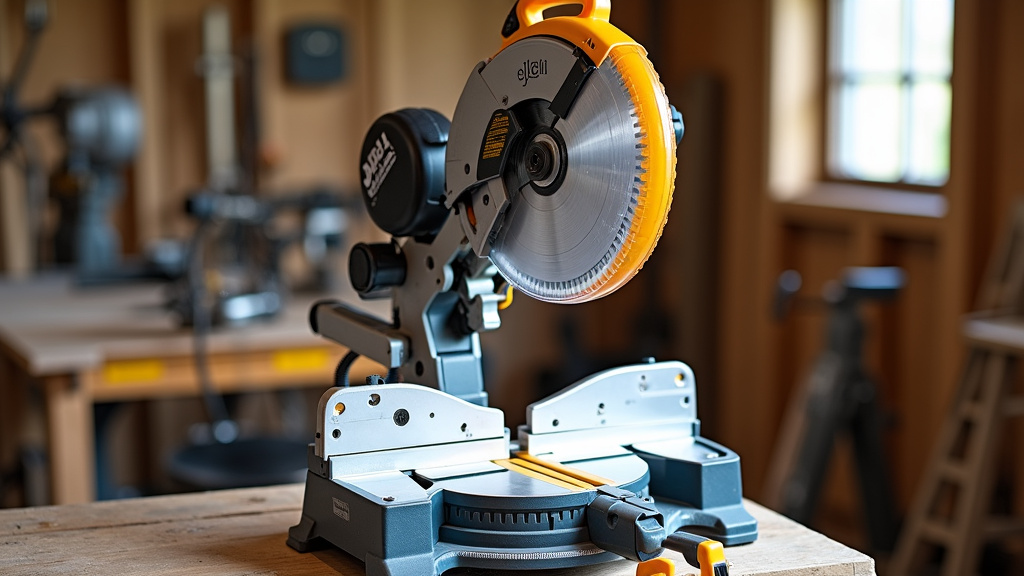
Your miter saw needs to be on a stable, level surface. Whether it’s a dedicated miter saw stand or a sturdy workbench, make sure it won’t wobble or tip. This stability is critical for accurate cuts and preventing the saw from moving unpredictably. Many experts suggest bolting your saw down for maximum security.
Checklist for Every Miter Saw Session
Before you make that first cut, run through this quick mental checklist. It helps ensure you haven’t forgotten anything important.
- Are you wearing all your PPE (safety glasses, hearing protection, dust mask)?
- Is your workpiece clamped securely and fully supported?
- Are your hands at least 6 inches away from the blade’s path?
- Is your work area clear of clutter and debris?
- Is the saw blade sharp and clean?
- Is the power cord safely routed and out of the way?
By making this a habit, you significantly reduce the risks. You’re building good habits from the start.
When to Seek Help or Training
It’s perfectly fine to ask for help! No one is born knowing how to use a miter saw. If something feels off, or you’re unsure, stop. Ask someone more experienced, watch instructional videos, or read your manual again. Workshops and classes are also fantastic resources.
Remember, woodworking should be enjoyable and safe. Don’t let fear stop you, but never ignore your gut feeling if something seems unsafe. Trust your instincts.
The Learning Curve for Miter Saws
How long does it take to get comfortable? Everyone learns at their own pace. You might feel confident after a few cuts, or it might take a few projects. The key is consistent practice combined with consistent safety. We found that new users who prioritize safety often become proficient more quickly because they avoid setbacks. They build confidence with every safe cut.
Keep your initial projects simple. Straight cuts on scrap wood are a great way to build muscle memory and understand how the saw feels. You’ll gain confidence and accuracy with each piece you cut.
Conclusion
You can absolutely use a miter saw safely as a beginner. It all comes down to respecting the tool and following established safety practices. By prioritizing PPE, securing your workpiece, and understanding your saw’s features, you’re building a strong foundation for safe operation. Remember, every cut is an opportunity to reinforce good habits.
We found that new users who take their time and prioritize learning often gain confidence quickly. Don’t rush, stay focused, and always consult your manual. Your journey into woodworking with a miter saw can be both productive and safe when you put these principles into practice.
Frequently Asked Questions
What’s the best miter saw for a beginner?
A standard or compound miter saw is often ideal for beginners due to their simpler operation. They handle most basic cuts without the added complexity of a sliding mechanism. We recommend starting with a smaller, 10-inch model for easier handling and storage.
How can I practice using a miter saw safely?
Start with scrap wood, making simple crosscuts and practicing proper hand placement. Focus on smooth, controlled movements and always use clamps. Repetition builds muscle memory and confidence before you tackle a real project.
Is kickback common with a miter saw?
Kickback can happen if the blade binds or the wood isn’t properly supported. It’s less common than with a table saw, but still a risk. Always clamp your material firmly and let the saw reach full speed before cutting to minimize this danger.
Can I cut metal with a miter saw?
No, a standard miter saw designed for wood should not be used to cut metal. The blade is wrong for metal and it can create dangerous sparks and debris. For metal, you need a specialized metal-cutting chop saw with the correct abrasive blade.
What’s the most important safety rule for miter saws?
Always keep your hands away from the blade. This means never reaching over or behind a spinning blade, and letting it come to a complete stop before clearing debris. Using clamps and push sticks for smaller pieces is a critical part of this rule.
