
How Much Does a Benchtop Miter Saw Cost?
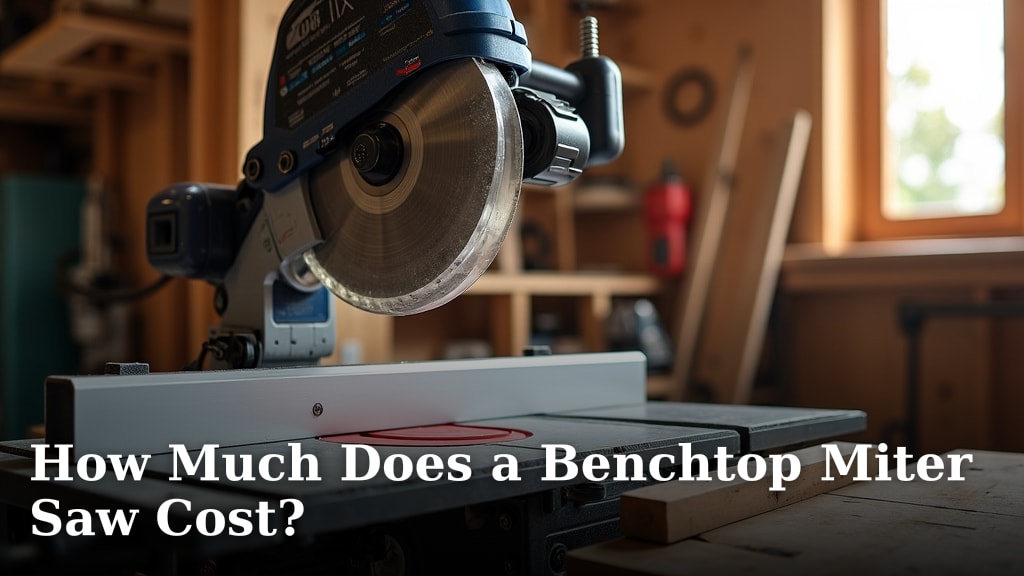
You’re probably wondering, “How much does a benchtop miter saw cost?” Generally, you can expect to pay anywhere from $100 to $500 for a good quality benchtop miter saw. The price range really depends on the features, brand, and power you need for your projects.
We found that while basic models are quite affordable, more advanced saws with greater cutting capacity and added safety features will naturally cost more. Thinking about the long-term value and the types of cuts you’ll be making is key to choosing the right saw without overspending.
- Benchtop miter saws typically cost $100-$500.
- Price varies by brand, features, and power.
- Basic saws are budget-friendly.
- Advanced saws offer more capabilities.
- Consider your project needs for the best value.
Below, we break down the different factors that influence miter saw prices and help you figure out what’s best for your workshop.
“`htmlUnderstanding Benchtop Miter Saw Pricing Factors
So, you’re curious about the price tag on a benchtop miter saw? We’ve done the digging, and you can generally expect to spend between $100 and $500. This range isn’t arbitrary; it’s driven by a few key elements we’ll break down for you.
The Core Components: What You’re Paying For
At its heart, a miter saw is a power tool designed for precise angled cuts. The price reflects the quality of its components and its overall build. Think of it like buying a car – a basic sedan versus a luxury SUV. Both get you there, but the experience and features differ.
Motor Power and Durability
A more powerful motor often means a higher price. Motors are typically measured in amperage (A) or horsepower (HP). Higher amperage saws can handle tougher materials and cut through them more easily. We found that saws with 10-amp motors are common for basic models, while more robust saws might push 15 amps or more. Durability is also key; better-built motors last longer.
Blade Size and Cutting Capacity
The size of the blade directly impacts the saw’s cutting capacity. Most benchtop miter saws use blades ranging from 8 to 12 inches in diameter. A 10-inch blade is a popular choice, offering a good balance of size and maneuverability. Larger blades allow for wider and deeper cuts. If you plan on cutting thicker baseboards or crown molding, a larger blade might be worth the investment.
Construction Materials and Build Quality
You’ll notice differences in how these saws feel. Some are built with more metal components, making them sturdier and more durable. Others might use more plastic. A well-built saw will feel solid and stable, which is important for accurate cuts. We found that heavier saws often indicate more robust construction, though portability can be a trade-off.
Key Features That Impact the Cost
Beyond the basics, several features can add to the price tag. These are the bells and whistles that can make your woodworking life easier and more precise.
Sliding vs. Non-Sliding Miter Saws
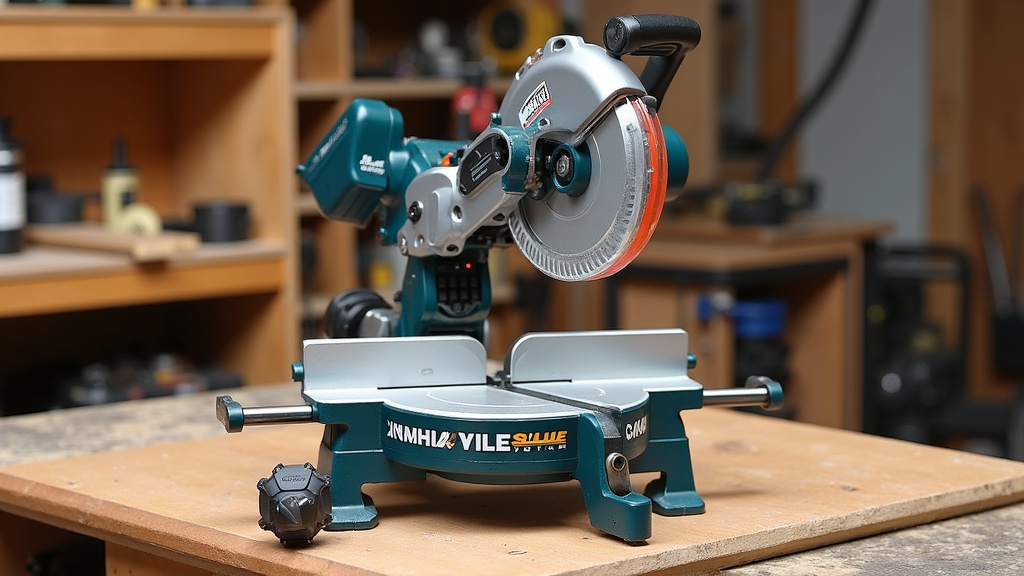
A non-sliding miter saw has a fixed arm. It’s great for most common cuts but has a limit on how wide a board it can crosscut. A sliding miter saw has arms that slide out, allowing the blade to move forward and back. This significantly increases your cutting capacity for wider boards. If you frequently work with wide lumber, the extra cost for a sliding model is often justified.
Miter and Bevel Adjustments
How easily and accurately can you set your angles? Positive stops for common miter angles (like 0, 15, 22.5, 30, and 45 degrees) are a great feature. Some saws offer finer adjustment knobs for precise settings. Similarly, bevel adjustments (tilting the blade to cut an angle on the edge of a board) vary in ease of use and accuracy. High-end saws often have more intuitive and precise adjustment systems.
Speed and Laser Guides
Some saws offer variable speed, which can be useful for cutting different materials. More commonly, you’ll find features like laser guides. A laser projects a line onto your workpiece, showing you exactly where the blade will cut. This enhances accuracy and can speed up your workflow. While not essential, it’s a feature many users appreciate.
Dust Collection Systems
Sawdust is an inevitable part of woodworking. Many miter saws come with a dust collection port that you can attach to a shop vacuum. The effectiveness of these systems varies. Better dust collection means a cleaner workspace and improved air quality. Some higher-end models have more efficient designs for managing dust.
Brand Reputation and Warranty Considerations
Just like with any product, brand name matters. Well-known brands that have a history of producing reliable tools often command higher prices. This isn’t just about the name; it often reflects consistent quality control and better customer support. We also found that a longer warranty period can be a good indicator of a manufacturer’s confidence in their product, and it offers you peace of mind.
The Price Spectrum: What to Expect at Different Levels
Let’s look at the general price brackets and what you can typically find within them.
| Price Range | Typical Features | Best For |
|---|---|---|
| $100 – $200 | Basic 8-10 inch blade, fixed miter/bevel, lighter construction, 10-amp motor. Often corded. | Occasional DIY projects, simple cuts, hobbyists. |
| $200 – $350 | 10-12 inch blade, better miter/bevel detents, improved dust collection, laser guide, decent build quality. | Regular DIYers, weekend warriors, moderate woodworking. |
| $350 – $500+ | 12-inch blade, sliding capability, advanced bevel/miter adjustments, high-amperage motor, enhanced durability, better dust collection. | Serious DIYers, light professional use, demanding projects. |
Making Your Budget Work for You
When you’re looking at prices, remember to consider the total cost of ownership. A cheaper saw that breaks down quickly or can’t handle your needs will cost you more in the long run. Think about what you’ll be using the saw for most often.
- Project Scope: Are you building a birdhouse or a deck?
- Material Thickness: Do you need to cut 2x4s or 4x4s?
- Frequency of Use: Will it sit in the corner or be used weekly?
- Accuracy Needs: Are slightly off cuts okay, or do they need to be perfect?
- Space Constraints: Do you need a compact model or can you handle a larger one?
By considering these points, you can better match a saw’s price to its performance and ensure you’re getting the best bang for your buck. Many experts advise buying the best saw you can afford for the jobs you anticipate doing regularly.
“`
Conclusion
You’ve seen that a benchtop miter saw’s price largely depends on what you need it for. For basic DIY tasks, a budget-friendly saw around $100-$200 will likely suffice. If you tackle more ambitious projects or need wider cuts, investing $200-$350 for better features like improved dust collection or a laser guide is smart. For serious woodworking, consider saws priced $350 and up, which offer sliding capabilities and superior build quality. Your next step is to list your common projects and material sizes. This will help you pinpoint the features that justify the cost and ensure you buy the right saw for your workshop.
Frequently Asked Questions
What is the absolute cheapest benchtop miter saw I can buy?
You can typically find very basic benchtop miter saws for around $100. These models usually have smaller blades, lighter construction, and fewer features, making them suitable for occasional, light-duty cuts.
Is a sliding miter saw worth the extra cost for a DIYer?
A sliding miter saw allows for wider cuts, which is beneficial if you frequently work with lumber wider than 5-6 inches. For most common DIY projects like trim or 2x4s, a non-sliding model might be sufficient, saving you money.
How important is motor power (amps/HP) when choosing a miter saw based on price?
Motor power is directly related to price and performance. Higher amperage saws can cut through tougher materials more easily and operate longer without overheating, which is often reflected in a higher cost.
Does brand name really affect the price of a benchtop miter saw that much?
Yes, brand reputation often plays a role in pricing. Established brands known for reliability and customer support may charge more, but this can also indicate better quality control and a more durable tool.
Should I prioritize a laser guide or better dust collection if my budget is around $250?
At the $250 price point, you might find saws with either a laser guide or improved dust collection. Consider which feature benefits your workflow more: the laser for precision or dust collection for a cleaner workspace and air quality.
