
What Is a Good Amp Rating for a Miter Saw Motor?
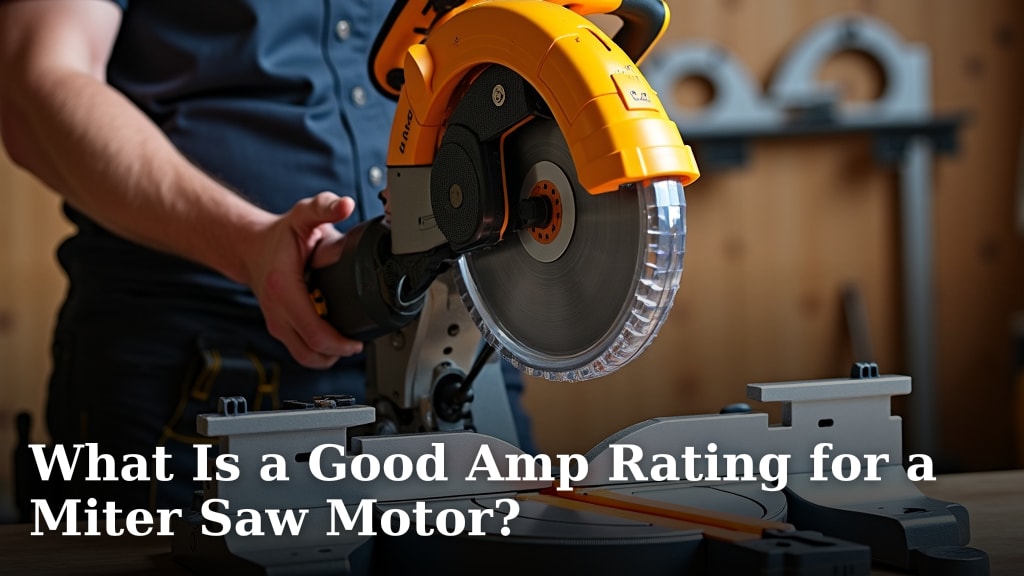
A good amp rating for a miter saw motor is typically 15 amps or higher for most DIY and professional woodworking tasks. Higher amperage means more power, which is essential for cutting through tougher materials without bogging down your saw. For lighter home use, a 13-amp motor might suffice, but you’ll appreciate the extra grunt of a 15-amp or 16-amp model for consistent performance. Our guide to the best DIY miter saws can help you choose.
Understanding amp ratings helps you choose a saw that can handle your projects. A motor’s amperage directly relates to its ability to maintain speed under load. When you’re making repetitive cuts or working with dense hardwoods, a higher amp rating ensures your saw won’t struggle. Many experts recommend a 15-amp motor as the sweet spot for general-purpose miter saw use.
- Higher amps mean more power and less bogging down.
- 15 amps is a great baseline for most DIYers.
- 13 amps might work for light tasks, but 15+ is better.
- More power helps you cut tough materials smoothly.
- Look for 15-16 amps for consistent, reliable performance.
Let’s dive into what makes an amp rating important and what you should be looking for when shopping for your next miter saw.
So, you’re eyeing a miter saw and wondering about that amp rating. It’s a common question, and for good reason! Think of the amp rating as the muscle behind your saw. It tells you how much electrical current the motor draws to do its work. More amps generally mean a stronger, more capable motor.
Understanding Your Miter Saw’s Amperage Power
Choosing the right amp rating ensures your saw performs well for your specific needs. It’s not just a number; it’s an indicator of performance. We’ll break down what those numbers mean and how they affect your cutting experience.
What the Amps Really Mean for Your Saw
When you’re cutting wood, especially thicker or denser types, the motor has to work hard. This effort is measured in amperage. A higher amp rating means the motor can draw more power when needed. This prevents it from slowing down or bogging down. You want a saw that keeps a steady speed throughout the cut, no matter the material.
We found that most experts agree: a 15-amp motor is a great starting point for general woodworking. It offers a good balance of power and efficiency. For those who tackle demanding projects or work with hardwoods frequently, going a bit higher might be wise.
Amps vs. Other Motor Specs
It’s easy to get lost in a sea of technical specs when shopping for tools. You might see mentions of horsepower (HP) or wattage. While these are related, amperage gives you a direct clue about the motor’s continuous power delivery. Horsepower can sometimes be a bit misleading, often referring to peak or stall power rather than sustained output.
Wattage is simply amps multiplied by volts. Since most miter saws in the US run on 120 volts, a 15-amp motor will draw about 1800 watts. This makes amperage a straightforward way to compare the raw power potential of different saws. We recommend focusing on amps as your primary metric for motor strength.
Matching Amp Ratings to Your Woodworking Projects
The “best” amp rating isn’t a one-size-fits-all answer. It really depends on what you plan to do with your miter saw. Are you building a birdhouse or framing a deck? Let’s explore some common scenarios.
For the Casual DIYer and Homeowner
If your projects are mostly light-duty, like building simple shelves, trimming baseboards, or occasional craft projects, you might get by with a lower amp rating. A 13-amp motor can handle basic tasks. You’ll likely be cutting softer woods like pine or poplar. These cuts are usually less demanding on the motor. Our guide to what size miter saw you need for baseboards explains when a lower amp rating might suffice.
However, even for lighter use, you might find yourself pushing the limits if you try to cut faster or through slightly tougher materials. We’ve found that many users who start with a lower-amp saw eventually wish they had a bit more power for those unexpected challenges. A 13-amp saw might also struggle with very repetitive cuts, where the motor doesn’t get much time to cool down.
The Sweet Spot: 15 Amps for Most Users
For the majority of DIY enthusiasts and even many professionals, a 15-amp miter saw hits the sweet spot. This is the most common rating you’ll find on mid-range to higher-end saws. A 15-amp motor provides ample power for a wide range of tasks.
You can confidently cut through common construction lumber, hardwoods like oak, and even some composite materials. The saw will maintain its speed better under load, giving you cleaner cuts and a smoother overall experience. This is especially important when you need to make multiple identical cuts, as the motor won’t bog down between them. Many woodworking forums and reviews consistently point to 15 amps as the recommended baseline.
Going Higher: 16 Amps and Beyond
If you’re a professional carpenter, a serious woodworker who works with exotic hardwoods, or someone who frequently cuts large, dense timbers, you might consider saws with 16 amps or even higher. These saws offer the most power available in portable miter saws.
A 16-amp motor will power through almost anything you throw at it without hesitation. This is fantastic for demanding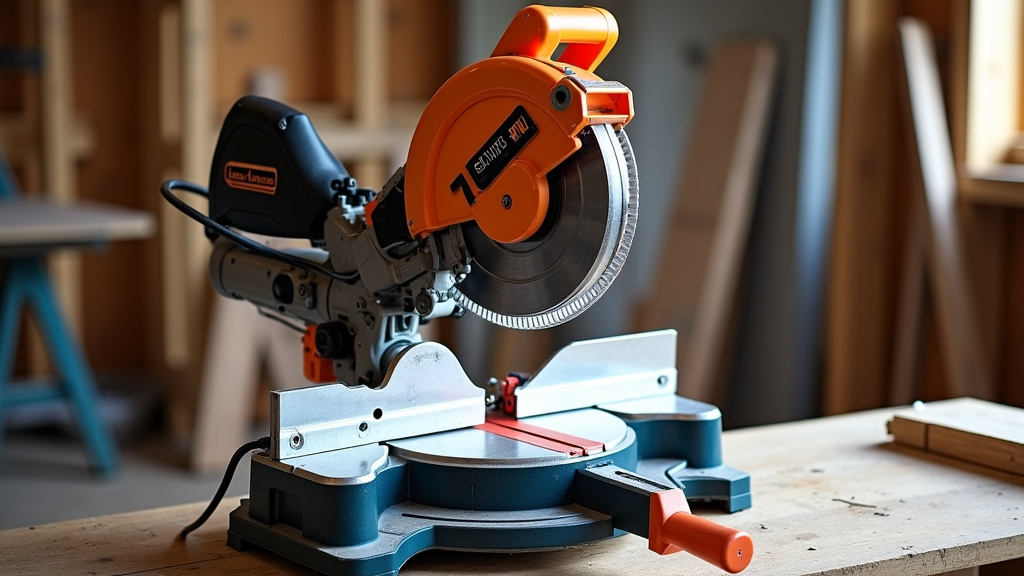
Conclusion
Choosing the right miter saw amp rating boils down to matching the saw’s power to your typical projects. For most home DIYers, a 15-amp motor offers the best blend of performance and affordability, handling a wide array of tasks with ease. While 13 amps can manage lighter jobs, you might find yourself wishing for more power later on. If you regularly tackle dense hardwoods or heavy-duty construction, consider stepping up to 16 amps or higher for maximum grunt. Now that you understand what those amps mean, you’re better equipped to find the perfect miter saw for your workshop. Happy cutting!
Frequently Asked Questions
Does a higher amp rating mean a louder saw?
Not necessarily. Amp rating primarily indicates a motor’s power draw, not its noise level. Saw noise is more often related to the blade type, blade speed (RPMs), and the saw’s construction design. A higher-amp saw might feel more powerful and might cut faster, but it isn’t inherently louder than a lower-amp model.
Can I use a lower amp saw for hardwood?
You can, but it’s not ideal. A lower-amp motor, like a 13-amp model, will struggle more when cutting hardwoods. It’s more likely to bog down, slow your cutting speed, and potentially overheat if used for extended periods. For consistent, clean hardwood cuts, a 15-amp or higher motor is recommended.
Will a 15-amp saw work for framing a deck?
Yes, a 15-amp miter saw is generally excellent for framing a deck. It has enough power to cut through standard construction lumber like 2x4s and 2x6s efficiently. While higher amperage might offer a slight edge for very dense lumber or making thousands of repetitive cuts, 15 amps is a solid choice for most professional framing tasks.
Is horsepower or amperage more important for a miter saw?
Amperage is a more direct indicator of a miter saw’s sustained power output, especially for common 120V tools. Horsepower can sometimes be inflated, referring to peak or stall power rather than consistent performance. We recommend focusing on the amp rating for a reliable comparison of motor strength for your cutting needs.
What’s the difference between a 13-amp and a 15-amp miter saw in terms of cutting feel?
A 15-amp miter saw will generally feel more robust and less strained when cutting. You’ll notice it maintains its blade speed better, especially in denser woods or when making deeper cuts. A 13-amp saw might require you to slow down your feed rate more or might bog down, making the cutting process feel less smooth and more laborious.
