Can You Rip Boards With A Miter Saw?
No, you generally cannot safely or effectively rip boards with a miter saw. This tool is designed for precise cross-cuts and angled cuts, not for cutting along the grain to reduce board width.
Attempting to rip wood on a miter saw creates significant safety hazards, including dangerous kickback, and will likely result in inaccurate cuts and damage to your material.
TL;DR: Key Takeaways on Miter Saws and Ripping
- Miter saws are built for cross-cutting and angled cuts across the grain.
- Ripping involves cutting along the grain to narrow a board.
- Using a miter saw for ripping is extremely dangerous due to kickback.
- You will get poor, uneven results if you try to rip with a miter saw.
- Tools like table saws or circular saws with a guide are the right choice for ripping.
Can You Rip Boards With A Miter Saw?
Straight to the point: using a miter saw for ripping boards is not advised. This tool simply isn’t engineered for that specific task.
It’s like trying to hammer a nail with a screwdriver; you might eventually get it done, but it’s inefficient and quite risky.
Understanding Ripping Cuts
When you talk about “ripping” wood, you mean cutting a board along its length or with the grain. The goal is to make a wider board narrower.
This is different from a “cross-cut,” which goes across the width of the board, usually against the grain. Many wood projects call for precise ripping.
The Miter Saw’s True Purpose
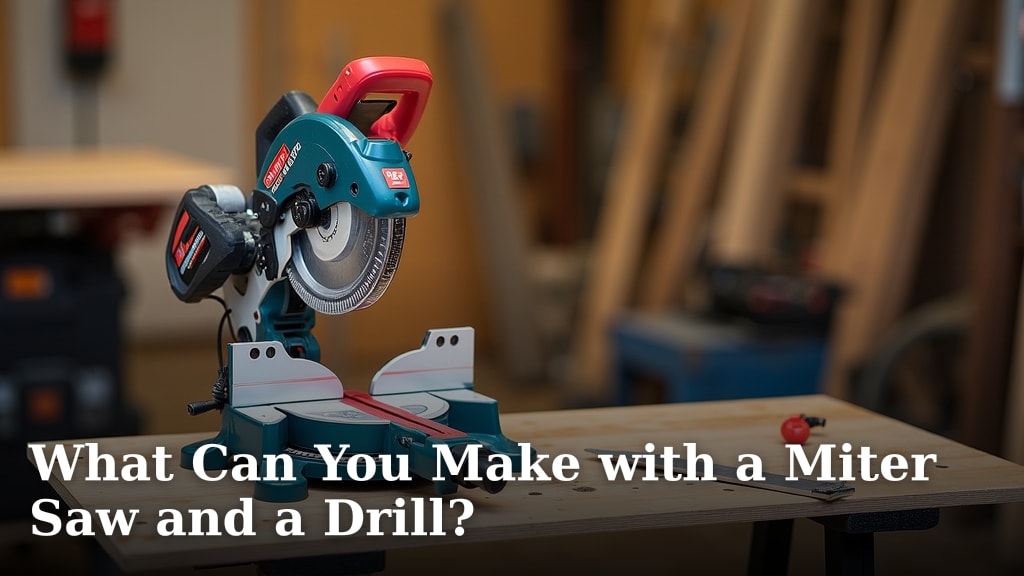
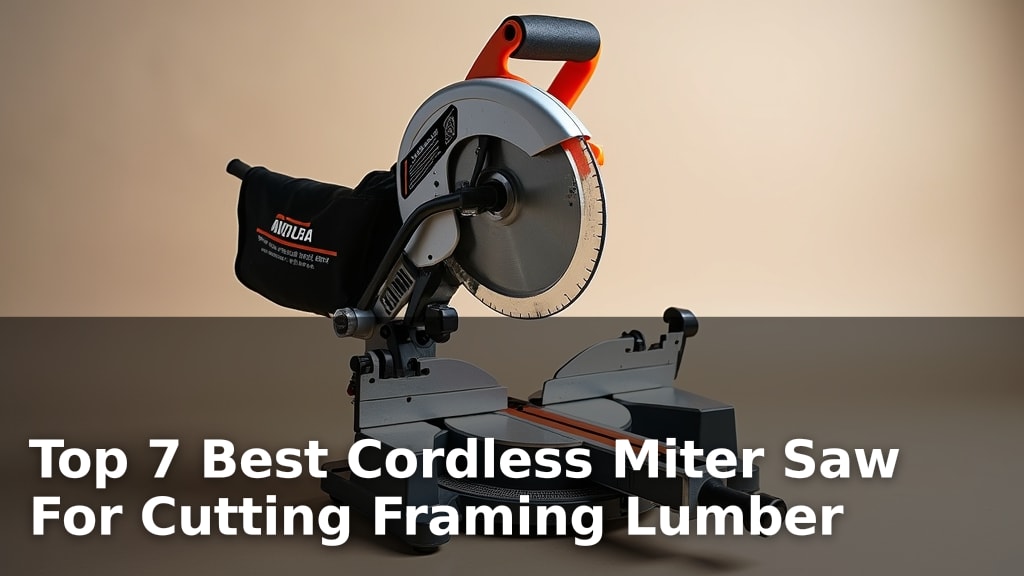
A miter saw excels at making accurate cross-cuts, miter cuts, and bevel cuts. Think about cutting trim for a room or chopping studs to length.
Its design, with a pivoting arm and a small work surface, is optimized for these specific, often shorter, cuts.
Safety Concerns with Ripping
Using a miter saw for ripping is a major safety concern. The blade guard is not designed for ripping, potentially exposing the blade dangerously.
We found that one of the biggest risks is severe wood kickback, where the material violently shoots back towards you.
Precision Issues Explained
Even if you somehow manage to avoid injury, your ripped board will likely be less than perfect. Miter saws lack the fence system needed for a consistent rip cut.
You’ll struggle to keep the wood straight against the blade, resulting in wavy, inaccurate cuts. Many experts say a clean rip is impossible without the right setup (Wood Magazine).
The Kickback Catastrophe
Imagine pushing a long board through a miter saw blade that’s designed to cut quickly down and back up. The blade can bind in the wood.
When the blade binds, the saw can try to climb the material, or the wood can be flung back with incredible force. This is a recipe for disaster.
Damaging Your Wood and Saw
Beyond safety, ripping with a miter saw can ruin your project materials. The blade can burn the wood, leaving scorch marks.
You might also dull your blade faster or even damage the saw’s motor from the excessive strain. It’s simply not worth the risk or the cost.
Meet Your Ripping Champions
For reliable and safe ripping, you need tools built for the job. These saws provide the stability and guiding mechanisms required.
They allow you to push wood through a blade with consistent pressure and accuracy, keeping both you and your project safe.
The Table Saw: King of Rips
The table saw is the undisputed champion for ripping boards. It features a large, flat surface and an adjustable rip fence.
This fence guides the wood perfectly straight past the spinning blade, ensuring precise, consistent width cuts every time.
Circular Saw: Portable Powerhouse
For smaller jobs or when portability is key, a circular saw can rip boards effectively. You’ll need to use a straight edge or a specialized rip guide.
Clamping a straight edge to your material provides a stable guide for the saw, mimicking the function of a table saw fence. Many builders rely on this method (Fine Woodworking).
Jig Saw: For Curves and Short Rips
While not ideal for long, straight rips, a jig saw can handle very short, narrow rip cuts or when you need a curved rip. It requires a steady hand and usually a guide.
Its oscillating blade is better suited for intricate work rather than long, straight lines.
Comparing Saws for Ripping Capabilities
| Saw Type | Primary Use | Ripping Capability | Key Feature for Ripping |
|---|---|---|---|
| Miter Saw | Cross-cuts, angled cuts | Not recommended | None for ripping |
| Table Saw | Ripping, cross-cuts | Excellent | Rip fence, stable table |
| Circular Saw | General cuts, portability | Good with guide | Straight edge or rip guide |
Cross-Cutting: Its Primary Role
The miter saw truly shines for cutting boards to length. Whether it’s a simple 90-degree cut or a precise 45-degree angle, it handles these tasks with ease.
It’s an incredibly useful tool for many woodworking and home renovation projects when used correctly.
Miter Saw for Short, Small Pieces?
Some people consider trying very small rip cuts on a miter saw for tiny pieces. This is still not a good idea due to safety.
Even a small piece can become a projectile, or the blade can bind. We recommend against it for any ripping action.
Bevel Cuts: Another Strength
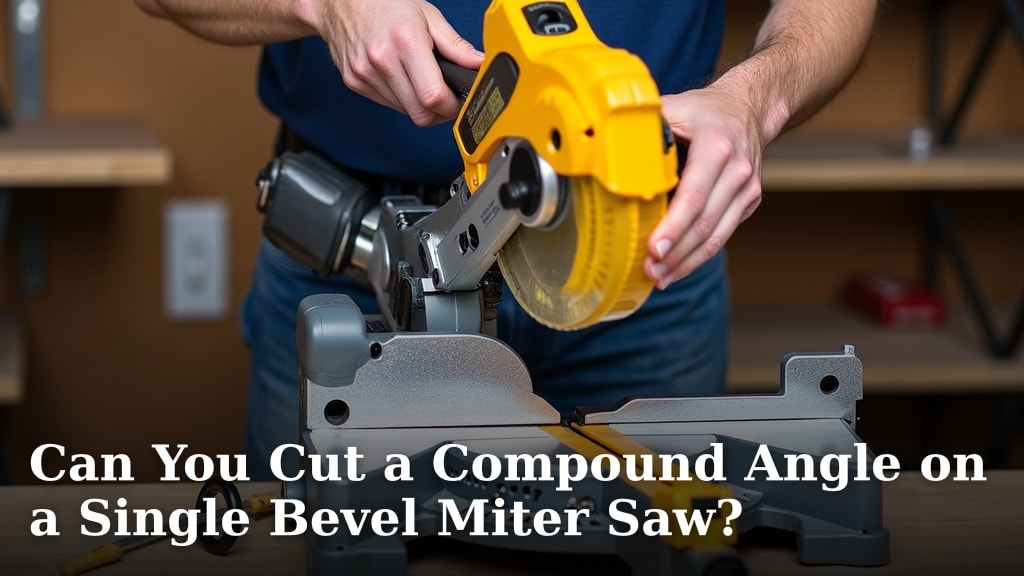
Beyond cross-cutting, miter saws also excel at making bevel cuts. This is where the blade tilts, allowing you to cut an angle on the face of the board.
This feature is perfect for creating intricate joints or sloped edges on your projects.
Your Woodworking Safety Checklist:
- Always wear safety glasses to protect your eyes.
- Use hearing protection for noisy tools like saws.
- Ensure your work area is clean and clear of clutter.
- Use the right tool for the right job, every time.
- Always keep hands clear of the blade path.
- Read and understand your tool manuals before use.
Conclusion
While a miter saw is a fantastic tool for its intended purpose – making precise cross-cuts and angled cuts – it’s simply not designed for ripping boards. Trying to force it into this role introduces significant safety risks, particularly dangerous kickback, and guarantees poor quality results.
For any ripping task, prioritize your safety and the quality of your work by using the appropriate tools. A table saw offers the best control and accuracy for ripping, while a circular saw with a proper guide can handle portable ripping needs. Choose the right tool, and your woodworking projects will be safer, easier, and more successful.
Can a Miter Saw be modified for ripping?
Modifying a miter saw for ripping is strongly discouraged and highly unsafe. Its core design, including the blade guard, motor, and table, is not suited for the stresses and geometry of a ripping cut. Any attempts to alter it would compromise safety features and create a dangerous machine.
What kind of blade is best for ripping wood?
For ripping wood, you’ll want a saw blade with fewer teeth (typically 24-40 teeth) and larger gullets (the spaces between teeth). These blades are designed to remove material quickly along the grain, reducing heat buildup and binding. A general-purpose blade can do both ripping and cross-cutting, but a dedicated rip blade performs best for ripping.
Is it ever safe to cut small pieces on a miter saw?
It is generally safe to cut small pieces that can be firmly clamped and fully supported on the miter saw’s table, provided they are being cross-cut or angled. However, using a miter saw to rip even very small pieces is still not safe because the blade geometry and lack of a rip fence make binding and kickback risks very high.
Can I use a miter saw to cut plywood?
Yes, a miter saw can be used to cross-cut plywood, especially for narrower strips or panels. Its precision is great for squaring up edges or cutting smaller pieces to length. However, for ripping long sheets of plywood, a table saw or a circular saw with a straight edge guide would be far more effective and safer.
What’s the difference between a miter cut and a bevel cut?
A miter cut is made by rotating the saw head horizontally to cut an angle across the face of the board (like for picture frames). A bevel cut is made by tilting the saw blade vertically, cutting an angle into the thickness or edge of the board. Many miter saws are “compound miter saws,” meaning they can do both at once.