
Can You Use A Miter Saw On The Floor?
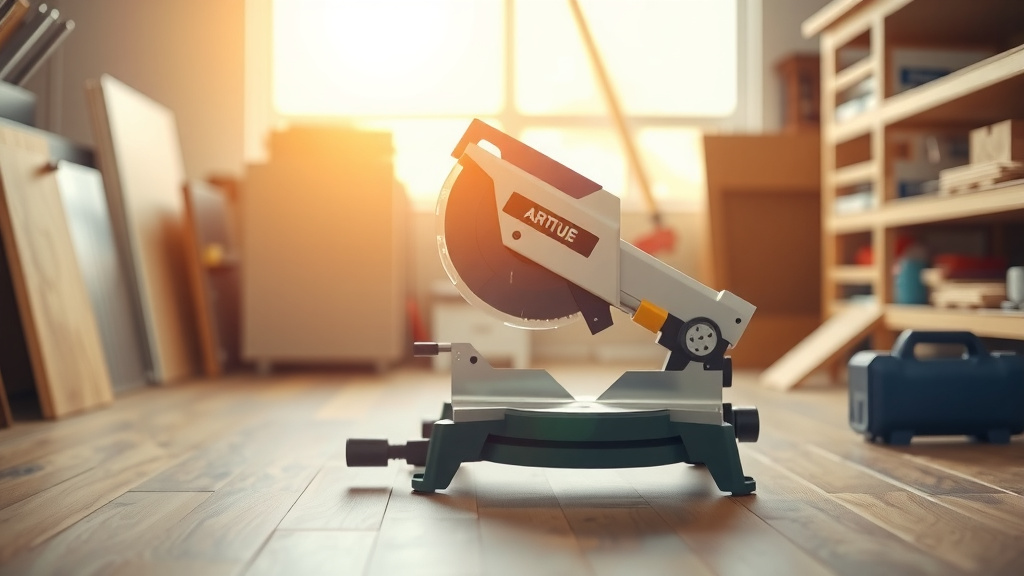
Yes, you absolutely can use a miter saw on the floor, but it’s generally not the safest or most efficient way to work. While technically possible, we found that setting up your saw properly on a sturdy workbench or dedicated stand offers far better stability and control for accurate cuts.
Working with a miter saw at ground level introduces various risks and compromises precision, making a proper setup always the preferred approach for both safety and quality.
Here’s a quick overview of why using a miter saw on the floor is often a less-than-ideal choice:
- It creates a significant safety hazard due to awkward body positioning and potential loss of balance.
- Achieving accurate cuts becomes much harder without a stable, level surface.
- Your body will experience more strain and discomfort, leading to fatigue.
- Dust collection is less effective, spreading more debris in your workspace.
- It’s a temporary fix, not a sustainable or professional method for precision work.
Can You Use A Miter Saw On The Floor?
You can use a miter saw on the floor, but it’s not recommended for routine or precise work. Many experts say that stability and safety are always paramount when operating power tools.
The Downside of Going Low: Why the Floor Isn’t Your Friend
Think about a chef trying to chop vegetables while kneeling on the kitchen floor. It’s awkward, right? The same goes for using a miter saw. When you operate a miter saw on the floor, you sacrifice several key factors that make cutting safe and precise.
We found that proper posture and a stable base are important for any power tool. Working at ground level compromises both, leading to less accurate results and a higher chance of errors.
Safety Concerns: A Ground-Level Gamble
When you’re bending or kneeling to use your saw, your balance becomes unstable. A sudden kickback from the saw could throw you off, leading to serious injury. Your hands and fingers are also closer to the blade due to your awkward stance.
The Consumer Product Safety Commission (CPSC) always highlights the importance of stable tool operation. Using your saw on the floor directly contradicts this guidance, increasing the risk of accidents.
Accuracy Takes a Hit: Uneven Cuts
For precise cuts, your workpiece needs solid support. When a miter saw is on the floor, it’s tough to support long pieces of lumber. They can wobble or shift, causing angled or uneven cuts that ruin your project.
We know that even a slight movement can spoil an otherwise perfect cut. This makes floor-level operation unsuitable for projects requiring high precision, like finish carpentry or intricate trim work.
Ergonomics and Comfort: Your Body Will Thank You Later
Picture yourself hunched over for hours, making cut after cut. Not a pleasant thought, is it? Prolonged awkward positions lead to back pain, knee strain, and general fatigue. This isn’t just about comfort; fatigue also increases the chance of making mistakes.
Research on workplace ergonomics often connects proper working height with reduced injury risk (National Institutes of Health). Elevating your saw to a comfortable height protects your body and improves your focus.
Dust and Debris Management: A Messy Business
Miter saws create a lot of sawdust. When the saw is on the floor, dust disperses more easily across your workspace. This can be a breathing hazard and simply makes cleanup a bigger chore.
Most miter saws have dust collection ports. These work best when the saw is at a height that allows gravity to pull dust into a collection bag or vacuum. On the floor, this efficiency drops significantly.
When Might You Consider the Floor (Cautiously)?
Sometimes, in a pinch, you might think about putting your miter saw on the floor. Maybe you’re working on a job site with no workbench, and you need to make just one quick rough cut. Even then, we’d say proceed with extreme caution.
Many experienced builders will tell you that a brief, low-precision cut might be feasible. However, this is always an exception, not a rule. It’s for emergency situations, not standard practice.
Temporary, Rough Cuts Only
If you absolutely must use your saw on the floor, ensure it’s for rough cuts where precision isn’t important. Think about cutting framing lumber that will be hidden later. Never use this method for visible or finish carpentry.
Securing Your Saw on the Ground
If you find yourself in this rare situation, try to secure the saw. You could place heavy objects around its base to prevent sliding. Some experts suggest even bracing it against a wall if possible (Fine Woodworking).
Better Ways to Work: Setting Up for Success
The best way to use your miter saw is on a stable, flat surface at a comfortable height. This could be a workbench, a sawhorse setup, or a dedicated miter saw stand. Each option offers specific benefits.
Let’s look at some better alternatives:
- Miter Saw Stands: These are designed specifically for your saw, offering optimal working height and often integrated material supports. They are portable and stable.
- Workbenches: A solid workbench provides a steady platform. You can clamp your saw directly to it for added security.
- Sawhorses with a Plywood Top: For a quick, sturdy solution, two sawhorses with a piece of heavy plywood on top work great.
Comparing Your Miter Saw Setup Options
Let’s break down the different ways you can set up your miter saw for optimal performance and safety.
| Setup Option | Pros | Cons |
|---|---|---|
| Miter Saw Stand | Excellent stability, optimal height, often portable, built-in material support. | Initial cost, takes up space. |
| Workbench | Very sturdy, versatile, good for clamping saw. | May not be portable, uses up existing workbench space. |
| Sawhorses + Plywood | Cost-effective, relatively stable, good temporary solution. | Requires assembly, less integrated than a stand. |
| The Floor (Not Recommended) | No setup time, accessible anywhere. | Major safety risks, poor accuracy, discomfort, mess. |
Essential Safety Checklist for Any Miter Saw Use
No matter where you use your miter saw, remember these safety steps. Your well-being is always the most important consideration in any project.
- Always wear safety glasses to protect your eyes from flying debris.
- Use hearing protection; miter saws are loud and can damage your ears.
- Keep your hands clear of the blade path, especially during cutting.
- Ensure your workpiece is firmly clamped or held against the fence.
- Never override safety guards or blade brakes on your saw.
- Unplug the saw before making any adjustments or changing blades.
Making Smart Choices: Invest in Your Setup
Choosing a proper setup isn’t just about convenience; it’s an investment in your safety, the quality of your work, and your long-term comfort. A good miter saw stand or workbench becomes an extension of your tool, helping you achieve professional results every time.
We found that many pros consider a dedicated stand just as important as the saw itself. It creates a complete system for efficient and safe operation.
Conclusion
While you technically can use a miter saw on the floor, it’s a practice we strongly advise against. The risks to your safety and the negative impact on cut accuracy simply outweigh any perceived convenience. Your projects, and your body, deserve a stable and ergonomic workspace.
For any serious woodworking or DIY task, invest in a proper miter saw stand or utilize a sturdy workbench. Your commitment to a safe and stable setup will pay dividends in better results and a more enjoyable working experience. Always prioritize safety first.
Can a miter saw be used without a stand?
Yes, a miter saw can be used without its dedicated stand. You can place it on a stable workbench, a sturdy table, or even a pair of sawhorses topped with plywood, as long as the surface is level and secure. The goal is to elevate it to a comfortable working height and ensure it doesn’t move during operation.
What is the best surface to put a miter saw on?
The best surface for a miter saw is a dedicated miter saw stand or a heavy-duty workbench. Both options provide excellent stability, a flat surface, and often allow for securing the saw with clamps or bolts. This ensures precise cuts and a safe working environment for you.
How do you stabilize a miter saw?
To stabilize a miter saw, always place it on a flat, level, and solid surface. Secure it using bolts through the saw’s base mounting holes, or by clamping it firmly to your workbench or stand. For long workpieces, use outfeed supports to prevent tipping or shifting during cuts.
Is it safe to use a miter saw on sawhorses?
Yes, it can be safe to use a miter saw on sawhorses, provided you create a stable platform. Place a thick, flat piece of plywood or a sturdy board across two sawhorses. Then, secure the miter saw to this platform. Always ensure the sawhorses are stable and not wobbly before you begin cutting.
Why is proper miter saw setup important for accuracy?
Proper miter saw setup is important for accuracy because it ensures the saw is level, stable, and at an ergonomic height. A secure saw prevents vibrations and movement during cuts, which can cause deviations. A comfortable working height also allows you to maintain better control and visibility, leading to more precise and consistent results.
