
Can You Use A Miter Saw On The Ground?
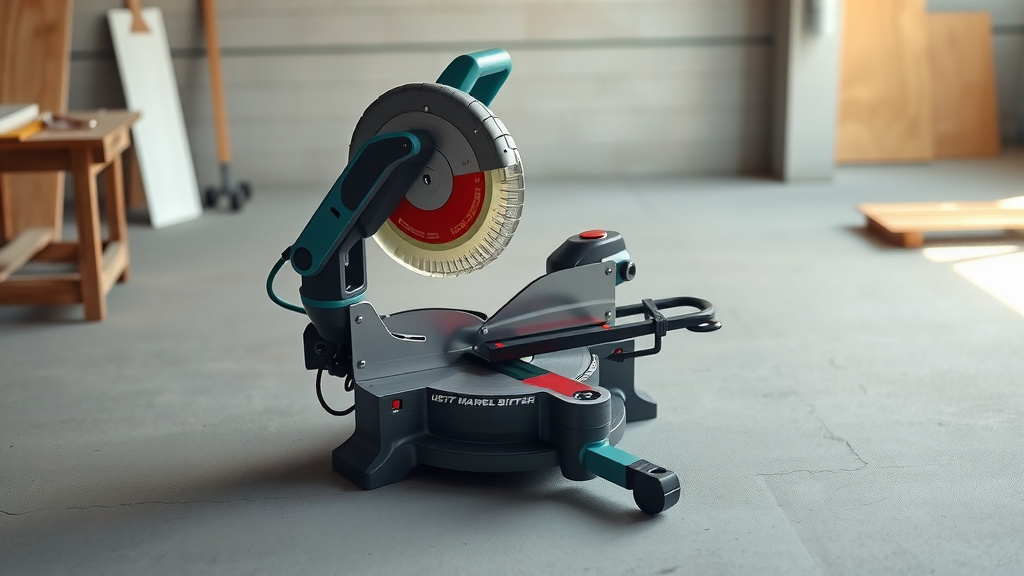
While you technically can use a miter saw on the ground, it is generally not recommended due to significant safety risks, ergonomic issues, and potential for imprecise cuts.
For your safety and the accuracy of your work, always aim to use a miter saw on a stable, elevated surface like a workbench or a dedicated miter saw stand.
- Using a miter saw on the ground presents substantial safety hazards, including instability and poor control.
- The awkward posture required can lead to back strain, knee pain, and wrist injuries.
- Achieving accurate cuts is much harder when the saw and workpiece lack proper support and height.
- Better alternatives like saw horses or miter saw stands greatly improve safety, comfort, and precision.
- Prioritizing a stable, ergonomic setup protects both you and your project’s quality.
Can You Use A Miter Saw On The Ground?
Technically, yes, you could place a miter saw on the ground and attempt to make a cut, but it comes with a host of serious drawbacks.
Many experts strongly advise against it because of safety concerns and the difficulty in achieving reliable results (OSHA guidelines often emphasize stable work surfaces).
Understanding the Core Problem: Stability
Imagine trying to cut a straight line on a piece of wood while it wiggles around. That’s often what you face when a miter saw isn’t on a solid, level surface.
A miter saw generates significant force and vibration, especially when starting and stopping. Without a stable base, it can rock, tip, or even slide unexpectedly.
The Risk of Instability
When your saw isn’t secure, the danger increases. A slight shift could cause the blade to bind in the wood, leading to kickback – a very hazardous situation where the saw or workpiece is violently thrown.
We found that many woodworking incidents stem from inadequate setup and stability.
Ergonomics: Your Body Will Thank You Later
Have you ever spent an hour hunched over, trying to get something done? Using a miter saw on the ground forces you into an unnatural, awkward posture.
This position puts immense strain on your back, knees, and wrists, making you more prone to pain and injury, even after just a few cuts.
Protecting Your Back and Joints
Bending over repeatedly to load wood, make cuts, and then clear debris isn’t just uncomfortable; it’s a recipe for long-term health issues. Many health professionals advise against prolonged stooping or kneeling while performing repetitive tasks (Mayo Clinic).
Your body is a tool too; it deserves proper care and positioning.
Precision and Accuracy: The Battle for a Clean Cut
A miter saw is designed for precision. It’s built to create exact angles and clean crosscuts. When you use it on the ground, you lose much of that inherent accuracy.
Supporting your workpiece properly becomes a real challenge, leading to inconsistent cuts, splintering, and frustration. You want your cuts to be perfect, don’t you?
Power Cords and Debris: A Trip Hazard Waiting to Happen
Working on the ground brings other practical issues. Your power cord becomes a tripping hazard. Dust and wood chips quickly accumulate around your feet and the saw, making the area slippery and obscuring your view of the workpiece.
A clean and clear workspace is vital for safe and efficient operation.
What If You Absolutely Must? Emergency Ground Use Best Practices
Sometimes, despite all best intentions, you might find yourself in a situation where ground use seems like the only option. If you are in such a bind, follow these vital steps to minimize risk:
- Choose a firm, level surface, free of debris.
- Place a non-slip mat or rubber pad under the saw base to help prevent movement.
- Secure the saw by placing heavy weights (like sandbags) on its base, if possible.
- Always use a strong, flat piece of scrap wood under your workpiece for support.
- Kneel or squat to maintain a more controlled posture, even if it’s uncomfortable.
- Wear all your personal protective equipment (PPE), including eye and hearing protection.
Better Solutions for Your Miter Saw
Why risk injury or shoddy work when there are so many excellent alternatives?
Investing in the right setup greatly enhances your safety, comfort, and the quality of your projects.
| Setup Option | Pros | Cons |
|---|---|---|
| Miter Saw Stand | Portable, adjustable, workpiece support. | Initial cost, takes up space. |
| Sawhorses + Plywood | Versatile, relatively inexpensive, easy to move. | Less stable than dedicated stands, no integrated support. |
| Workbench | Very stable, ample space, often built-in storage. | Not portable, requires shop space. |
Choosing the Right Spot
Beyond the actual stand, consider your work area. You need plenty of clear space around the saw to safely manage long pieces of wood. Ensure good lighting so you can clearly see your cut lines and the blade.
We found that a well-organized workspace often correlates with fewer accidents and better project outcomes.
Essential Safety Checklist for Any Miter Saw Setup
Regardless of where you set up your saw, never skip these fundamental safety checks:
- Wear safety glasses and hearing protection.
- Ensure the blade is sharp and appropriate for the material.
- Check that all guards are functioning correctly.
- Keep hands clear of the blade path.
- Allow the blade to reach full speed before cutting.
- Unplug the saw before making adjustments or changing blades.
Power Management and Dust Collection
Always connect your miter saw to a grounded outlet. Avoid using long extension cords that can cause voltage drop or create trip hazards. If you must use one, ensure it’s rated for the saw’s amperage and is in good condition.
For dust, connecting a shop vacuum to your saw’s dust port significantly reduces airborne particles and keeps your workspace cleaner.
Conclusion
While the thought of just dropping your miter saw on the ground for a quick cut might be tempting, the consensus from experienced woodworkers and safety experts is clear: it’s a practice fraught with risks. Your safety, the precision of your work, and the longevity of your physical well-being are far too important to compromise.
Prioritize stability, proper ergonomics, and a clear workspace. Investing a little time in setting up your saw correctly, whether on a dedicated stand or a sturdy workbench, will pay dividends in safer operation, cleaner cuts, and a much more enjoyable woodworking experience. Make the smart choice for yourself and your projects.
Can a miter saw be used on a wobbly table?
No, using a miter saw on a wobbly table is highly dangerous. A stable, non-moving surface is crucial to prevent the saw from tipping, binding the blade, or causing kickback, which could lead to severe injury. Always secure your saw to a solid workstation.
What is the ideal height for a miter saw setup?
The ideal height for a miter saw setup is typically between your waist and elbow height. This range allows you to maintain a comfortable, upright posture, providing good control over the saw and workpiece without excessive bending or reaching, protecting your back and shoulders.
How do I secure my miter saw to a workbench?
To secure your miter saw, you usually bolt its base directly to the workbench using lag screws or carriage bolts, passing through the mounting holes in the saw’s base. Some saws also have clamp-down options, but bolting provides the best stability.
Can I cut long boards with a miter saw on the ground?
Cutting long boards on the ground with a miter saw is particularly difficult and unsafe. Long boards require significant support on both sides of the saw to prevent tipping and ensure accurate cuts. Without proper outfeed support, the board can fall, leading to blade binding or kickback.
Are portable miter saw stands worth the investment?
Yes, portable miter saw stands are generally a worthwhile investment for anyone who uses their miter saw regularly or needs to transport it. They provide excellent stability, adjustability for ergonomic comfort, and often include integrated material supports, significantly enhancing safety and precision compared to makeshift setups.
