
How Long Should A Miter Saw Table Be?
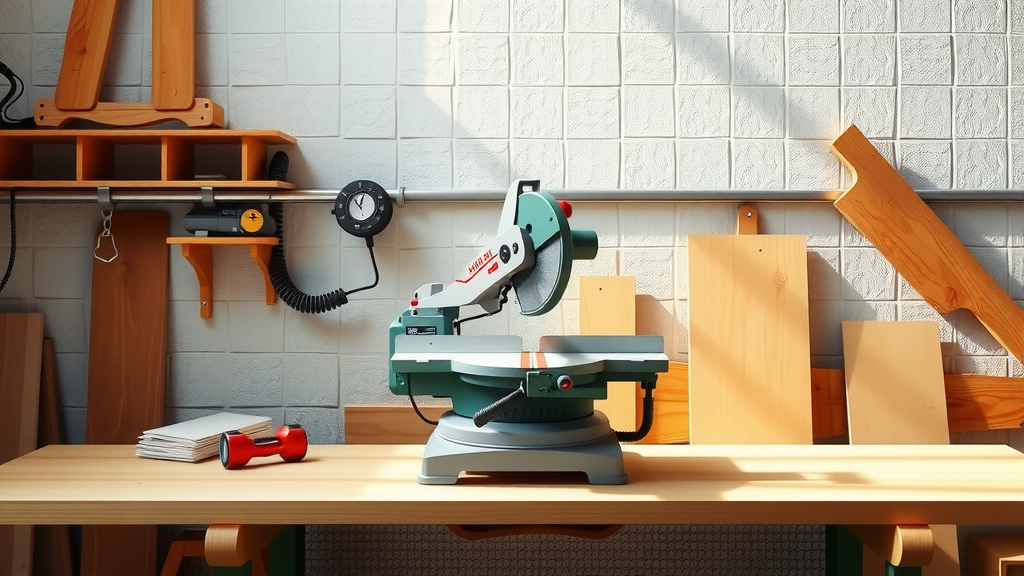
A miter saw table should ideally extend far enough to support your longest common workpieces, often meaning at least 3-4 feet on each side of the saw blade for safety and accuracy. This length helps prevent material wobble and ensures precise cuts, giving you better results.
You want enough support so your material remains stable throughout the entire cut, from start to finish. Think of it as giving your lumber a steady hand.
TL;DR: The ideal miter saw table length truly depends on your projects. Here’s the quick takeaway:
- Your typical material length guides your support needs.
- Safety and accuracy are the top reasons for adequate table length.
- You can combine built-in tables with extensions or DIY solutions.
- Balance your workshop space with the reach your projects demand.
How Long Should A Miter Saw Table Be?
The perfect length for your miter saw table really depends on the work you do. For most hobbyists and DIYers, a table that provides 3 to 4 feet of stable support on each side of the saw is a great starting point. This setup covers a wide range of common tasks.
Why Table Length is a Big Deal for Your Miter Saw
Imagine trying to cut a long piece of wood with only a small table. It’s like balancing a broomstick on your fingertip – wobbly and risky! Proper table length is vital for both your safety and the accuracy of your cuts.
When you have enough support, your material won’t tip or bind during the cut. This stability helps you achieve those crisp, square angles you are aiming for. We found that insufficient support is a common cause of frustration and poor results (Woodworking Safety Council).
Project Size Dictates Your Needs
Are you mostly cutting trim for a small room, or are you tackling large deck boards? The length of the material you regularly work with directly impacts how long your miter saw table should be. Think about your typical projects.
The Sweet Spot for Common Cuts
For standard household tasks like cutting 2x4s, baseboards, or shelving, around 3 feet of support on each side works well. This length gives you control over most everyday lumber sizes. It prevents the wood from dropping off the edge mid-cut.
What About Longer Lumber?
If you often cut materials longer than 6 feet, you’ll definitely need more support. Trying to manage an 8-foot board with only 3 feet of table is asking for trouble. Many experts suggest aiming for at least half the length of your longest typical workpiece on each side.
Choosing the Right Support System
You don’t always need a single, massive table. Many people combine their miter saw’s built-in table with various support systems. This setup provides flexibility and saves space.
Outfeed and Infeed Supports Explained
When you cut, material enters the saw (infeed) and exits (outfeed). Both sides need support. The outfeed side is especially important to prevent material from dipping and causing kickback after the cut. Think of it like a smooth landing strip for your wood.
Here’s a look at common material lengths and suggested table support:
| Typical Material Length | Minimum Support (Each Side) | Ideal Support (Each Side) |
|---|---|---|
| Up to 4 feet | 2 feet | 3 feet |
| 6-8 feet | 3 feet | 4-5 feet |
| 10-12 feet | 4 feet | 5-6 feet |
| Over 12 feet | Requires dedicated setup | Half material length |
DIY vs. Commercial Miter Saw Stands
You have options when it comes to getting the right support. Many fantastic commercial miter saw stands come with adjustable extensions. These are often portable and quick to set up, which is a huge plus for job sites.
However, if you’re on a budget or enjoy building things, a DIY solution can be incredibly effective. Sometimes, a custom-built workstation is the best fit for your unique shop space. We’ve found that homemade setups can be just as sturdy as store-bought ones if planned carefully.
Building Your Own Extensions
Creating your own miter saw extensions can be quite rewarding. You can use sturdy plywood, 2x4s, or even repurpose old cabinets. The key is to make sure your extensions are perfectly level with your saw’s table.
You want to avoid any lips or gaps that could snag your material. Remember, precision is your best friend here. A slight misalignment can throw off your cuts.
Safety First: A Non-Negotiable
Regardless of how long you make your table, never compromise on safety. A stable workpiece is a safe workpiece. Research consistently shows that a majority of workshop incidents are due to a lack of proper support (Occupational Safety and Health Administration).
Preventing Kickback and Wobble
A wobbling board is dangerous. It can cause your saw to bind or kick the wood back at you. Adequate support keeps the material from moving unexpectedly, reducing the risk of injury and giving you a much cleaner cut. Always ensure your workpiece is firmly seated against the fence and table.
Maximizing Workspace in a Small Shop
We all don’t have sprawling workshops. If your space is tight, think vertically or consider folding extensions. Outfeed rollers, portable sawhorses, or even dedicated wall-mounted shelving can extend your table only when needed. It’s all about working smarter, not harder.
Many resourceful woodworkers have created impressive setups in compact areas. You might be surprised by how much support you can add without overcrowding your shop. Think about collapsible or modular designs.
Checklist for Your Ideal Miter Saw Setup
Before you commit to a specific table length or setup, consider these points:
- Identify your most common material lengths.
- Measure your available workshop space carefully.
- Decide if you need portability or a fixed workstation.
- Ensure all support surfaces are perfectly level with the saw table.
- Prioritize stability and safety above all else.
- Budget for materials or a commercial stand.
Conclusion
Ultimately, the “right” length for a miter saw table isn’t one-size-fits-all. It’s a balance of your typical projects, available space, and a strong commitment to safety. By understanding your needs and exploring the many available options, you can create a miter saw setup that enhances your accuracy and keeps you safe. Take the time to plan your setup, and you’ll enjoy smoother, more precise cuts for years to come.
Can I use sawhorses as miter saw table extensions?
Yes, you absolutely can! Sawhorses are a common and effective way to extend your miter saw table. Just make sure to adjust them to be perfectly level with your saw’s surface. Adding a sacrificial top to the sawhorses can also help ensure consistent height and protect your sawhorse tops.
How does a sliding miter saw affect table length needs?
A sliding miter saw lets you cut wider boards than a non-sliding model, but it doesn’t change the need for stable infeed and outfeed support. The material still needs to be fully supported before and after the cut for safety and accuracy, regardless of the saw’s cutting capacity.
Is it better to have too much table length than too little?
Generally, yes, having a bit more table length than you think you need is safer and more convenient. It provides extra peace of mind for unexpected longer cuts and reduces the chances of material tipping. Excess support rarely causes a problem, while too little support often does.
What if my material is very heavy?
For very heavy or bulky material, stability becomes even more critical. Beyond just length, you might need stronger, reinforced supports. Consider using heavy-duty roller stands or building a robust custom workstation designed to bear significant weight. Always ensure your supports can handle the load.
Can a short miter saw table be dangerous?
A miter saw table that is too short for your workpiece can indeed be dangerous. It increases the risk of the material wobbling, tipping, or falling during a cut. This can lead to kickback, binding, or your hands slipping into the blade area. Always prioritize adequate support to maintain control and safety.
