
How High Should A Miter Saw Table Be?
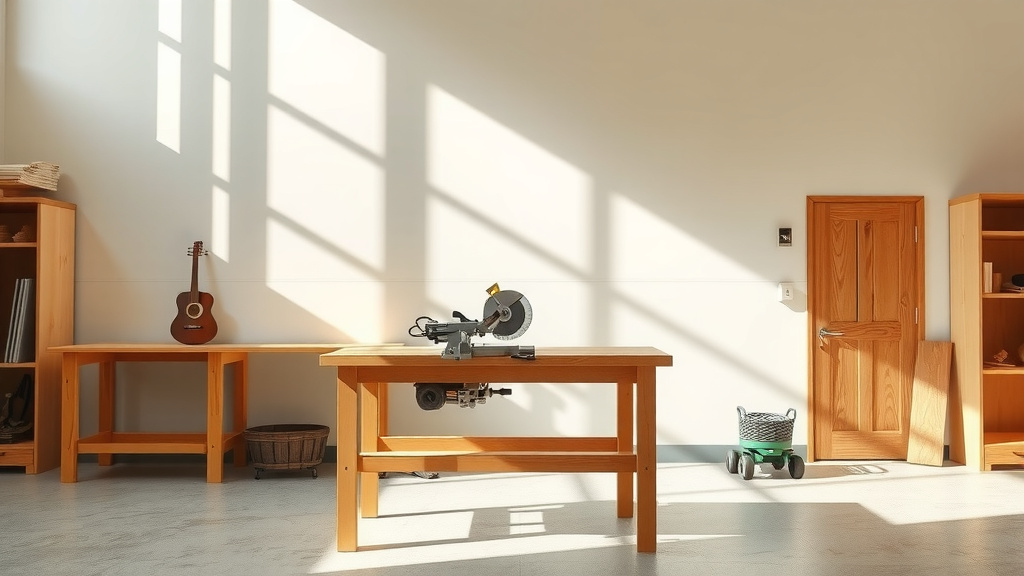
The ideal miter saw table height for most users is typically between 32 and 36 inches from the floor, allowing for comfortable and safe operation without straining your back or shoulders.
This range generally accommodates the majority of adult heights, ensuring proper posture and workpiece control when using your miter saw.
TL;DR: Here’s the essential takeaway for your miter saw table height:
- Aim for a table height where your elbows are at a comfortable 90-degree angle when holding your saw.
- Most people find 32 to 36 inches ideal for ergonomic comfort and safety.
- Consider your personal height and the specific type of projects you tackle.
- An adjustable stand offers the most flexibility for different tasks and users.
How High Should A Miter Saw Table Be?
The perfect miter saw table height often hovers around 32 to 36 inches from the floor for most woodworkers. This range helps you maintain good posture, reducing strain during long cutting sessions.
Think of it like cooking – you wouldn’t want to chop vegetables on a table that’s too low or too high, right? Your miter saw setup needs that same comfortable sweet spot.
Finding Your Personal Miter Saw Sweet Spot
Your ideal table height isn’t just a random number; it’s personal. We found that it mostly depends on your individual body mechanics and the type of work you do (National Institute for Occupational Safety and Health, NIOSH, suggests ergonomic design for tool usage).
You want a setup where you can easily see your cut line and comfortably operate the saw’s handle without bending or stretching. It’s all about reducing fatigue and boosting accuracy.
The Elbow Rule of Thumb
Here’s a simple trick: stand naturally and let your arms hang. Now, bend your elbows to about a 90-degree angle, as if you’re holding the saw’s handle. The distance from the floor to your hands at this position is a great starting point for your table height.
This allows your wrists to stay straight, and your shoulders to remain relaxed. Many experts say this posture helps prevent common workshop aches and pains.
Why Does Miter Saw Table Height Matter So Much?
Getting the height right goes beyond just comfort; it’s about safety and cut precision. A poor setup can lead to awkward movements, increasing the risk of accidents or inaccurate cuts.
Imagine trying to make a delicate cut while hunched over – it’s a recipe for mistakes. Proper height gives you better control over your material and the saw itself.
Ergonomics: Your Body’s Best Friend
Ergonomics is just a fancy word for making things comfortable for your body. For a miter saw, this means setting the height to minimize physical stress on your back, neck, and arms.
We found that a well-adjusted workstation can significantly reduce the risk of musculoskeletal injuries (Occupational Safety and Health Administration, OSHA, emphasizes ergonomic workspace design).
Precision and Control in Every Cut
When you’re comfortable, you have more control. This translates directly to cleaner, more accurate cuts with your miter saw. You can focus on the cut, not on how much your back is hurting.
Your ability to guide the workpiece and engage the saw correctly improves when your body is in an optimal working position.
Factors Influencing Your Ideal Miter Saw Height
While the 32-36 inch range is a good guide, a few specific factors might nudge your ideal height up or down. Let’s explore what those are.
Your Height and Stature
This is the most obvious one. Taller individuals will naturally need a higher table, while shorter users will prefer a lower one. It’s all about finding that comfortable elbow bend.
Don’t be afraid to customize your setup to fit your unique frame. A little adjustment can make a big difference in your workshop experience.
Type of Projects You Tackle
Are you cutting long, heavy lumber or small, delicate trim pieces? Heavy materials often benefit from a slightly lower table height for better leverage and stability.
For fine woodworking, some prefer a slightly higher bench to bring the workpiece closer to eye level for enhanced visibility.
Miter Saw Model and Design
Some miter saws have taller bases or different handle designs. Consider how your specific saw sits on the table and how you grip its handle. This can subtly affect your overall working height.
Always test your saw on your chosen table height before committing to a permanent setup.
Fixed Bench vs. Adjustable Stand: Which Is Right For You?
You have choices when it comes to supporting your miter saw. Each option has its own perks and considerations.
| Feature | Fixed Workbench |
|---|---|
| Height Adjustability | Usually fixed, harder to change. |
| Stability | Very high, often bolted down. |
| Portability | Low portability, generally permanent. |
| Cost | Can vary, depends on DIY vs. pre-built. |
| Best For | Dedicated workshop spaces, consistent projects. |
| Feature | Adjustable Miter Saw Stand |
|---|---|
| Height Adjustability | High, easy to change for different users/tasks. |
| Stability | Good, but may vary by model. |
| Portability | High portability, easy to fold and move. |
| Cost | Generally affordable, ranges widely. |
| Best For | Job sites, small shops, varied users. |
The Benefits of an Adjustable Miter Saw Stand
If you share your workshop or tackle diverse projects, an adjustable stand is a game-changer. We found that the ability to quickly modify the height provides unbeatable versatility.
Many experts point out that adjustable stands allow you to switch from cutting long deck boards to precise trim work with a quick adjustment, ensuring optimal ergonomics for each task.
Custom-Built Solutions for the DIY Enthusiast
Love building things yourself? A custom miter saw station can be designed to your exact specifications. You can incorporate storage, dust collection, and even flip-up wings for extended support.
This is where you can truly dial in that perfect height, creating a workspace that feels like a natural extension of yourself.
Quick Checklist for Your Miter Saw Setup
Before you make that first cut, quickly run through these points to ensure your table is just right:
- Your feet are flat on the floor.
- Your shoulders are relaxed, not hunched.
- You can easily see the cut line without bending.
- Your arms bend at a comfortable angle (around 90 degrees).
- You can reach the saw’s controls without stretching.
Safety First: Beyond Just Height
While height is important, remember the broader safety picture. Always wear your safety glasses, keep your work area clear, and understand your saw’s operation. A well-set table is a foundation for safe practices.
Never rush your cuts, and always ensure your material is properly secured before engaging the saw. Your safety is always the priority.
Conclusion
Figuring out “How high should a miter saw table be?” truly comes down to you. While 32 to 36 inches is a solid starting point, your comfort, personal height, and the work you do are the biggest guides.
Taking the time to adjust your setup not only makes your woodworking more enjoyable but also significantly improves your safety and the accuracy of your projects. Listen to your body, and you’ll find that ideal working height.
What is the average height of a miter saw stand?
The average height for most commercially available miter saw stands, whether fixed or adjustable, typically ranges from 30 to 36 inches from the floor to the top of the material supports.
Can a miter saw be too high for comfort?
Yes, a miter saw can absolutely be too high. If the table is too high, you might find yourself shrugging your shoulders, straining your neck, or needing to stand on your tiptoes, which leads to fatigue and reduces control.
Is it better to have a miter saw table slightly high or slightly low?
Many woodworkers prefer a table that is slightly on the lower side rather than too high. A slightly lower table often allows for better leverage and stability, especially when cutting larger or heavier pieces, even if it means a slight bend at the waist.
How does the saw’s own height affect the ideal table height?
The total height of your specific miter saw, including its base and the height of the cutting platform above that base, directly impacts the effective working height. You need to consider the saw’s platform height when calculating your ideal table height to ensure the workpiece is at the right level.
Should my outfeed supports be at the same height as the miter saw table?
Yes, your outfeed and infeed supports should ideally be perfectly level with the miter saw’s cutting surface. This creates a stable, continuous surface for your material, preventing it from binding, tipping, or causing inaccurate cuts.
