How Much Does A Miter Saw Weigh?
On this page (8 sections)
A miter saw’s weight typically ranges from 25 pounds for compact models to over 80 pounds for heavy-duty sliding compound saws.
The average miter saw often falls between 30 and 60 pounds, depending on its size, type, and included features.
Here’s a quick summary if you’re short on time:
- Most miter saws weigh between 25 and 80 pounds.
- Compact models are lighter, around 25-40 pounds, ideal for portability.
- Large sliding compound miter saws can exceed 60-80 pounds, offering more stability.
- Weight impacts portability and how stable your saw feels during cuts.
- Choosing depends on whether you prioritize mobility or stationary workshop use.
How Much Does A Miter Saw Weigh?
A miter saw generally weighs between 25 to 80 pounds, with most popular models falling in the 30 to 60-pound range.
This weight varies greatly based on the saw’s specific type, motor size, and construction materials.
Why Does Miter Saw Weight Even Matter?
You might wonder why a saw’s weight is worth discussing. It truly impacts your work in two main ways: portability and stability.
A lighter saw is easier to move around job sites. A heavier saw often feels more grounded, reducing vibration during cuts.
Factors Affecting Miter Saw Weight
Think of a miter saw like a car; many things contribute to its final weight. Let’s break down the key elements that add or subtract pounds.
We found that manufacturers make design choices to balance power, durability, and ease of use, which all factor into the total weight.
Type of Miter Saw
The design of the saw itself is perhaps the biggest factor in how much it weighs. Each type offers different capabilities, and therefore, different construction needs.
Are you looking for basic cuts or something more versatile? Your needs often guide the saw type, which then dictates the weight.
Standard Miter Saw
These are the simplest models, designed for straight crosscuts. They usually have the smallest footprint and lightest weight, often ranging from 25 to 40 pounds.
They are great for quick jobs and easy transport, perfect for a beginner or light home use.
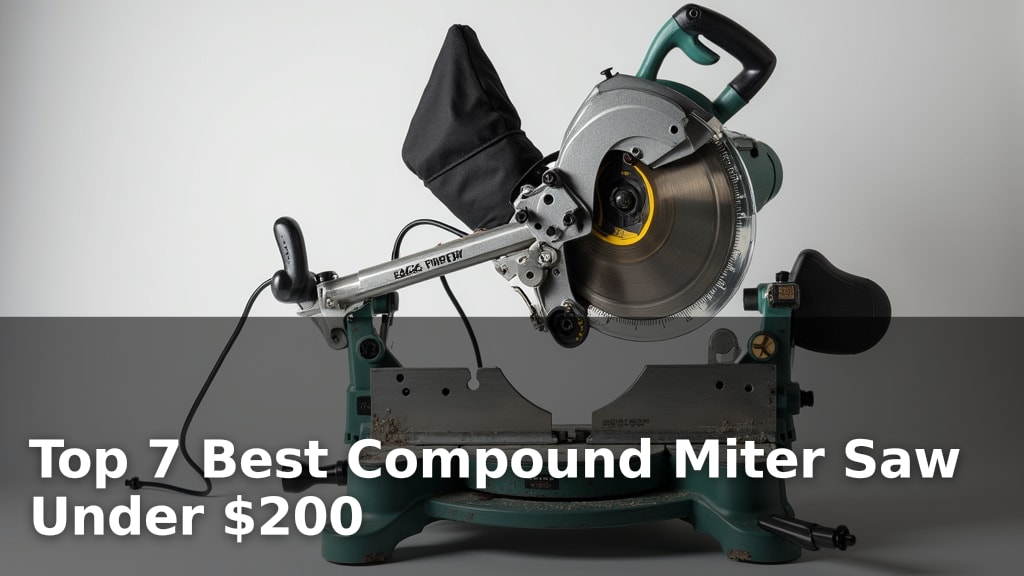
Compound Miter Saw
A step up, compound miter saws can bevel (tilt) in one direction, adding versatility for angled cuts. This extra mechanism adds some bulk.
You can expect these saws to weigh between 35 and 55 pounds, offering a good balance of features and reasonable portability.
Sliding Miter Saw
These saws feature rails that allow the blade to slide forward and back, greatly increasing cut capacity. This sliding mechanism is heavy.
Sliding miter saws are generally the heaviest, ranging from 50 to over 80 pounds. They are ideal for cutting wider boards and staying mostly in one place.
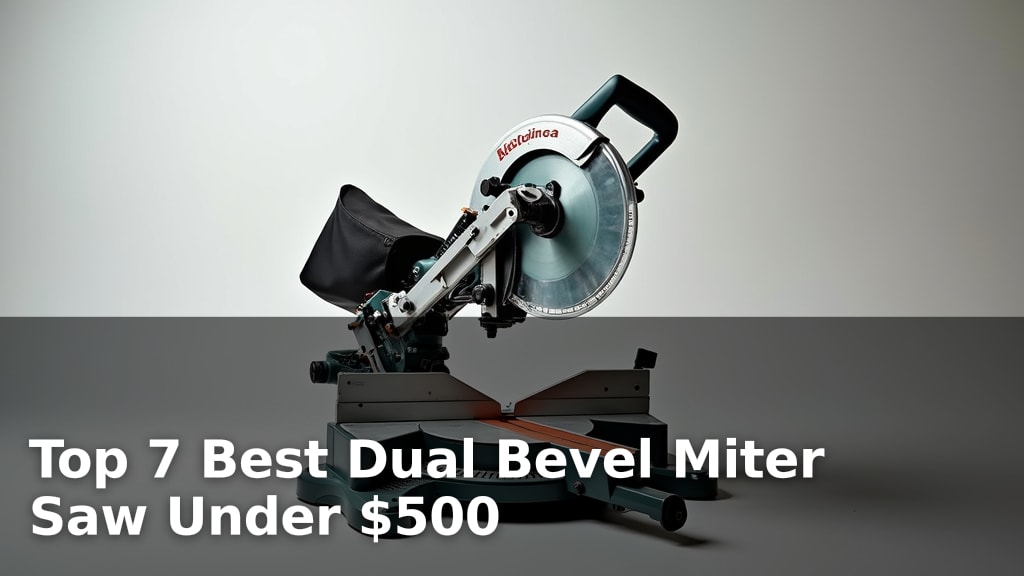
Dual Bevel Miter Saw
Dual bevel saws can tilt both left and right, eliminating the need to flip your workpiece for compound cuts. This added engineering increases weight.
They typically fall into the 45 to 70-pound range, offering great convenience for complex projects but sacrificing some lightness.
Motor Size and Power
A more powerful motor, often measured in amperes (amps) or horsepower, usually means a larger, heavier motor housing and internal components.
Saws with 15-amp motors, which are common for most applications, will naturally weigh more than smaller, less powerful motors.
Construction Materials
The materials used to build the saw play a huge role. Many miter saws use aluminum or magnesium alloys for their base and arms.
These materials are chosen for being strong yet relatively lightweight. Some heavy-duty parts, like the motor casing or blade guard, might use heavier steel.
Extra Features and Accessories
Fancy features can add to the weight. Things like laser guides, advanced dust collection shrouds, or larger fences can tack on extra pounds.
Even the size of the blade guard or base plate can make a slight difference in the overall heft of the tool.
Average Weight Ranges by Miter Saw Type
To give you a clearer picture, here’s a quick overview of what you can expect in terms of weight for different miter saw categories.
Remember, these are general ranges; specific models may vary slightly.
| Miter Saw Type | Typical Weight Range (Approx.) | Key Characteristic |
|---|---|---|
| Standard Miter Saw | 25 – 40 lbs | Most portable, basic cuts. |
| Compound Miter Saw | 35 – 55 lbs | Single-bevel capabilities. |
| Dual Bevel Miter Saw | 45 – 70 lbs | Tilts both ways for versatility. |
| Sliding Miter Saw | 50 – 80+ lbs | Wider cut capacity, less portable. |
The Portability vs. Stability Debate
Choosing a miter saw often involves a trade-off between how easy it is to move and how steady it feels during operation. Which is more important for you?
Many woodworkers consider their primary use case to guide this decision, as we found in various forums and expert reviews.
When Lighter is Better
If you’re a DIY enthusiast tackling small projects or a contractor who moves between job sites daily, a lighter miter saw is your friend.
Less weight means less strain on your back and quicker setup times. Think of it like carrying a backpack versus a suitcase; one is clearly easier on the go.
When Heavier is Better
For dedicated workshop setups or professional jobs where the saw stays put, a heavier model offers advantages. The extra weight provides a stable base.
This stability helps reduce vibrations, leading to more precise cuts and a safer work environment. It anchors the saw, making it less likely to shift.
Making Your Miter Saw More Portable
Even if you have a heavier saw, there are ways to make it more manageable for transport or moving around your shop. Consider these ideas:
- Choose a miter saw stand with wheels.
- Use a dedicated cart or dolly.
- Break down the saw into components if possible (some fences remove).
- Carry it with a helper for heavy models.
- Utilize carrying handles designed into the saw.
Setting Up a Stable Workstation
No matter your saw’s weight, a stable workstation is important for safety and accuracy. Don’t just place it on any old surface.
A sturdy miter saw stand or a workbench bolted to the floor provides the best foundation (OSHA guidelines often stress stable work surfaces).
Choosing the Right Miter Saw for Your Needs
Deciding on the “right” miter saw isn’t just about weight. It’s about how that weight fits into your overall workflow and project types.
Consider your typical projects, available workspace, and how often you need to move the tool before making your purchase decision.
Conclusion
The weight of a miter saw is a practical consideration that significantly impacts its portability and operational stability. From lightweight standard models at 25 pounds to heavy-duty sliding compound saws exceeding 80 pounds, there’s a wide spectrum.
Understanding these weight differences, driven by saw type, motor size, and materials, helps you choose a tool that truly fits your working style. Prioritize what matters most for you: easy transport or a rock-solid setup for precision cuts.
What is the lightest miter saw available?
The lightest miter saws are typically compact 7.25-inch or 8.5-inch standard models, sometimes designed for portability, which can weigh as little as 20-25 pounds.
Does a heavier miter saw mean it’s better quality?
Not necessarily. While heavier saws often have more features or larger motors, which can be signs of higher capability, quality is determined by build materials, motor performance, and cutting accuracy, not solely by weight. Lighter, high-quality saws certainly exist.
Can I put any miter saw on a portable stand?
Most miter saws can be mounted on portable stands. However, you must check the stand’s weight capacity to ensure it can safely support your specific miter saw, especially for heavier sliding compound models.
How does blade size affect miter saw weight?
Larger blade sizes (e.g., 12-inch versus 10-inch) require a larger motor, a bigger blade guard, and a more robust base, all of which contribute to an increase in the overall weight of the miter saw.
Is a cordless miter saw lighter than a corded one?
Cordless miter saws can sometimes be lighter due to more compact motors, but the added weight of the battery pack often makes their total weight comparable to or even slightly heavier than their corded counterparts. They offer portability by being free from outlets.