
How To Build A Chop Saw Table?
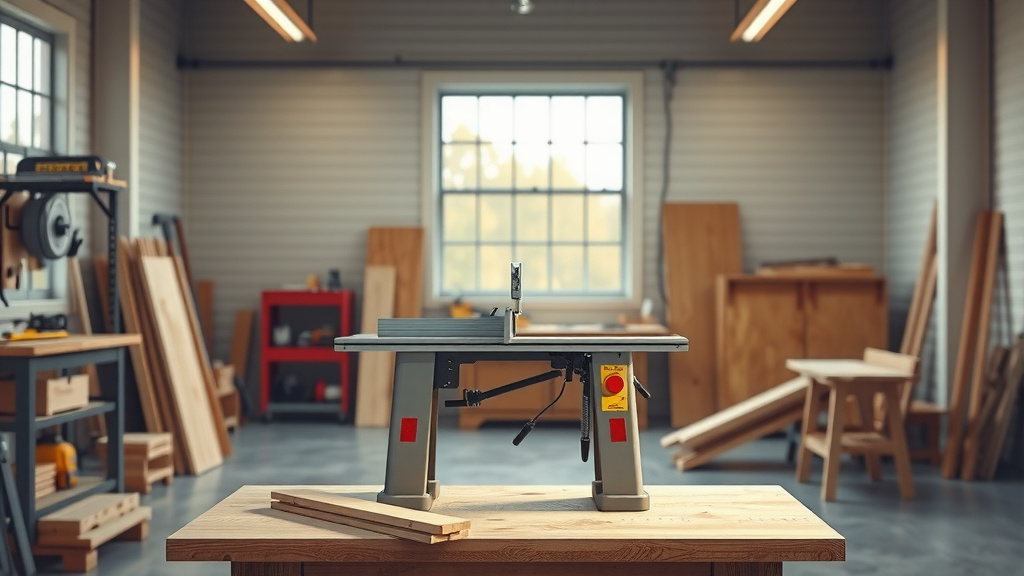
To build a chop saw table, you generally construct a sturdy frame with outfeed supports and a flat, level surface tailored to your miter saw for accurate cuts.
This DIY project involves careful measuring, cutting wood components, assembling them securely, and ensuring your saw is perfectly integrated for enhanced workshop efficiency.
- A custom chop saw table provides enhanced stability and accuracy for your miter saw.
- Start by planning your design based on your saw and available space.
- Gather sturdy materials like plywood and 2x4s for the frame and top.
- Assemble the base, create a recessed saw platform, and add helpful extensions.
- Prioritize safety features and test the table thoroughly before heavy use.
How To Build A Chop Saw Table?
Building a chop saw table involves creating a stable, custom workbench that perfectly integrates your miter saw, providing extended support for long workpieces and improving cutting precision.
You essentially create a dedicated station that elevates your saw and supports materials on either side, making your woodworking tasks much easier and safer.
Why Build Your Own Chop Saw Table?
Have you ever struggled with cutting long boards on a small miter saw stand? It is a common problem.
Building your own chop saw table solves this by offering extended support, reducing wobble, and giving you a dedicated, level surface for all your cutting needs.
This custom solution often means more accurate cuts and a safer work environment, a finding many experienced woodworkers share.
Plus, you get to design it to fit your specific saw and workspace, a huge advantage over generic store-bought options.
Planning Your Chop Saw Table Design
Before grabbing your tools, some careful planning saves you headaches later. Think of this as the blueprint phase for your new workshop ally.
This initial stage helps you visualize the finished product and ensure it meets your specific needs.
Measuring Your Miter Saw
The first step is to measure your miter saw accurately. You need its width, depth, and especially its height from the base to the cutting surface.
These measurements are critical for creating a recessed platform where the saw sits, ensuring the cutting surface aligns perfectly with your outfeed tables.
We found that precise measurements prevent frustrating alignment issues down the line.
Considering Your Workspace
Look at your workshop. Where will this table live? Do you need it stationary, or should it be mobile with casters?
Considering your workspace helps determine the overall dimensions of your table, ensuring it fits without crowding your other tools.
Many experts suggest designing a table that maximizes usable surface area without obstructing movement (Wood Magazine).
Essential Features to Include
What makes a great chop saw table? It’s often about the little things. Here is a quick checklist of features to think about:
- Integrated Dust Collection: Helps keep your workspace clean.
- Storage Drawers/Shelves: For blades, pencils, and safety gear.
- Adjustable Stops: For repetitive cuts.
- Leveling Feet or Casters: For stability or mobility.
- Power Outlet Strip: Convenient access for your saw and other tools.
These additions enhance functionality and convenience, making your table a true workhorse.
Materials You’ll Need for Your Project
Building a sturdy chop saw table requires the right materials. Skimping here can lead to a wobbly, unsafe setup.
We prioritize stability and durability when selecting components for this kind of project.
Wood Choices and Dimensions
For the frame, 2x4s or 2x6s are excellent choices due to their strength and affordability. Plywood, typically 3/4-inch thick, is ideal for the top surface and shelves.
Many builders opt for construction-grade lumber as it is readily available and robust (Fine Woodworking).
Hardware and Fasteners
You’ll need a good supply of wood screws, usually 2 1/2 or 3 inches long, for strong connections. Wood glue also adds significant strength to joints.
Consider using carriage bolts for securing the saw itself, if your design calls for it, for maximum stability.
Tools for the Job
Here’s a list of tools that will make your building process smooth:
| Tool | Purpose |
|---|---|
| Measuring Tape | For precise length measurements |
| Circular Saw or Table Saw | Cutting wood pieces accurately |
| Drill/Driver | Pre-drilling holes and driving screws |
| Square and Pencil | Marking straight lines and angles |
| Level | Ensuring all surfaces are perfectly flat |
| Clamps | Holding pieces together during assembly |
Having these tools ready will help you work efficiently and accurately, preventing delays in your build.
Step-by-Step Construction Guide
Ready to get your hands dirty? This is where your plans start to take physical form. Take your time with each step for the best results.
Building the Base Frame
Begin by cutting your 2x4s or 2x6s to create the rectangular base frame. Use wood glue and screws to join the pieces, ensuring they are perfectly square.
This forms the foundation of your table, so stability is key here. Check for squareness often during assembly.
Crafting the Saw Platform Recess
Next, build a frame within your main base that will support your miter saw. This section needs to be precisely measured to match your saw’s height.
The goal is for the saw’s cutting surface to be flush with your extension wings, creating a continuous, level workspace.
Adding Side Extension Wings
These wings extend from either side of your saw, providing the crucial support for longer materials. Cut plywood or MDF to your desired length and width.
Attach these extensions to your base frame, ensuring they are perfectly level with the miter saw’s cutting surface. This creates a seamless work area.
Securing the Top Surface
Once the frame and extensions are built, cut a larger piece of plywood to cover the entire top surface. This creates a durable, continuous work area.
Secure it with screws, sinking them slightly below the surface to prevent snags. A smooth top surface is essential for accurate cuts.
Integrating Storage Solutions
Think about adding shelves or drawers beneath the extension wings. This utilizes otherwise wasted space and keeps your tools handy.
Simple shelves made from plywood or smaller drawers can make a big difference in maintaining an organized workshop, as many experts agree (Popular Woodworking).
Essential Safety Tips for Use
A custom chop saw table is a fantastic addition, but safety always comes first. Even the best tools need respectful handling.
Here are some reminders to keep your workspace safe.
- Always wear safety glasses and hearing protection.
- Ensure your work area is clear of clutter.
- Keep your saw blade sharp for clean, safe cuts.
- Never reach over the blade when the saw is running.
- Securely clamp all workpieces before cutting.
- Regularly check your table for stability and any loose components.
Conclusion
Building your own chop saw table is a rewarding project that significantly upgrades your woodworking capabilities. It provides unparalleled stability, accuracy, and custom storage solutions tailored to your specific needs.
By following these steps, you create a dedicated and safe workspace that will serve you well for many projects to come. Enjoy the precision and convenience your new chop saw table brings!
How do I make my chop saw table mobile?
To make your chop saw table mobile, you can add heavy-duty locking casters to the bottom of the base frame. Ensure the casters are rated for the table’s total weight, including the saw and any materials you might place on it. Locking casters are important for stability during use.
What is the ideal height for a chop saw table?
The ideal height for a chop saw table often matches the height of your existing workbench or is set to a comfortable working height, typically between 34 to 38 inches. The key is to ensure the saw’s cutting surface is perfectly flush with the extension wings for seamless material support.
Can I build a chop saw table without a recessed top?
Yes, you can build a chop saw table without a recessed top, but you would need to elevate the extension wings on either side to be perfectly flush with your miter saw’s cutting surface. This might involve shimming or building up the outfeed tables, which can be less stable than a fully integrated recessed design.
What wood is best for the table surface?
Many experts recommend using 3/4-inch thick plywood or MDF for the table surface due to their stability and flatness. Plywood offers good strength and resistance to warping, while MDF provides a very smooth surface ideal for accurate measurements and cuts.
How do I ensure my table extensions are perfectly level?
To ensure your table extensions are perfectly level with your saw, use a straightedge and a spirit level during assembly. Place the straightedge across the saw’s cutting surface and onto the extension wing, checking for any gaps or discrepancies. Shims can be used to fine-tune the height if needed.
