How To Prevent Tear Out On Miter Saw?
To prevent tear out on a miter saw, you should always use a sharp, high-tooth-count blade designed for fine crosscuts, typically with 60 or more teeth.
You can also greatly reduce tear out by installing a sacrificial fence and a zero-clearance throat plate to provide crucial support to the wood fibers around the blade.
- Always use a sharp, high-tooth-count blade suitable for fine crosscuts.
- Install a sacrificial fence and a zero-clearance insert for maximum support.
- Ensure your material is firmly clamped before making any cut.
- Make your cuts with a slow, consistent feed rate; never rush the saw.
- Consider a shallow scoring pass before your main cut on delicate woods.
How To Prevent Tear Out On Miter Saw?
Tear out on a miter saw can be frustrating, leaving ragged edges on your beautiful woodworking projects. No one wants to see that, right?
It happens when the saw blade tears away wood fibers instead of cleanly cutting them, often on the bottom or exit side of your workpiece. Luckily, there are many practical ways to stop it.
Understanding Tear Out: Why Does It Happen?
Imagine pulling a thread from a loosely woven fabric; that’s a bit like tear out. When your saw blade exits the wood, especially unsupported wood, it can lift and tear the fibers.
This issue is more common with certain wood types, like plywood or melamine, but it can happen with any material. Understanding its cause helps us find the best solutions.
The Right Blade Makes All the Difference
Your saw blade is the first line of defense against tear out. We found that a sharp blade is absolutely essential. A dull blade doesn’t cut; it rips, causing significant tear out.
Many experts say to choose a blade with a higher tooth count for miter saws, especially for crosscuts. A blade with 60 to 80 teeth (for a 10-inch saw) is often recommended for fine finishes.
Blade Tooth Counts Explained
The number of teeth on a blade affects the smoothness of the cut. More teeth mean finer cuts, but also a slower cutting speed. Fewer teeth mean faster cuts, but a rougher finish.
We found that for preventing tear out, higher tooth counts are always better. Thin kerf blades can also help, as they remove less material, putting less stress on the wood.
| Blade Type | Tooth Count (10-inch) | Best For | Tear Out Prevention |
|---|---|---|---|
| General Purpose | 24-40 teeth | Ripping, rough cuts | Poor |
| Combination | 50 teeth | Crosscuts, ripping | Fair to Good |
| Fine Finish | 60-80 teeth | Crosscuts, plywood | Excellent |
| Melamine/Laminate | 80-100 teeth | Delicate materials | Exceptional |
Support Your Wood: Sacrificial Fences and Zero-Clearance Inserts
Think of these as bodyguards for your wood fibers. A sacrificial fence is a piece of scrap wood attached to your saw’s existing fence. The blade actually cuts into it.
This creates a perfect zero-clearance opening that fully supports the wood right where the blade exits, drastically reducing tear out. It’s a simple, but powerful, trick.
Building a Zero-Clearance Insert
Just like a sacrificial fence, a zero-clearance throat plate (or insert) supports the wood underneath the cut. Your miter saw likely came with a generic plastic insert that has a wide slot.
A custom-made insert, cut precisely by your blade, leaves almost no gap. This prevents wood fibers from bending and tearing downward as the blade passes through. Research often connects these inserts with cleaner cuts (Woodworking Journal).
Clamping Down: Stability is Key
A moving workpiece is an invitation for tear out. You need to ensure your material is held rock-solid against the fence and the saw table. Don’t rely solely on your hands.
Use clamps whenever possible. Many miter saws include a clamp, or you can use quick-release clamps. This keeps the wood from vibrating or shifting during the cut, leading to a much cleaner line.
Don’t Rush the Cut: Control Your Speed
We’ve all been there, trying to speed through a project. But a fast, aggressive cut is a common cause of tear out. You are not racing anyone!
Apply a slow, consistent feed rate. Let the blade do the work. Don’t force the saw through the material. A smooth, steady motion allows each tooth to slice cleanly without tearing.
Scoring Passes for Delicate Materials
For very brittle materials like melamine or veneers, a scoring pass can be a game-changer. This involves making a very shallow first cut, perhaps 1/16th of an inch deep, just through the top surface.
Then, you complete the cut by pushing the blade all the way through. This initial pass scores the top fibers, preparing them for a clean separation when the full cut is made.
Maintaining Your Miter Saw for Peak Performance
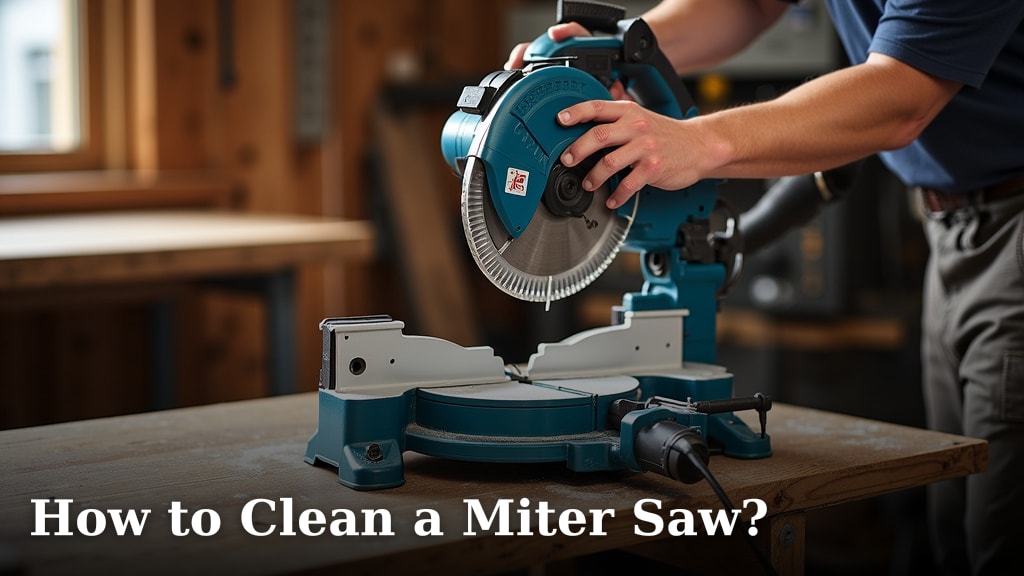
A well-maintained saw performs better, period. Keep your saw clean; sawdust buildup can affect accuracy and blade performance. Regularly check that your saw’s fence and table are square.
A misaligned saw can put undue stress on the blade and the material, encouraging tear out. A little bit of cleaning and checking goes a long way to prevent frustration.
- Check blade for sharpness before each project.
- Clean saw dust and debris from around the blade and fence.
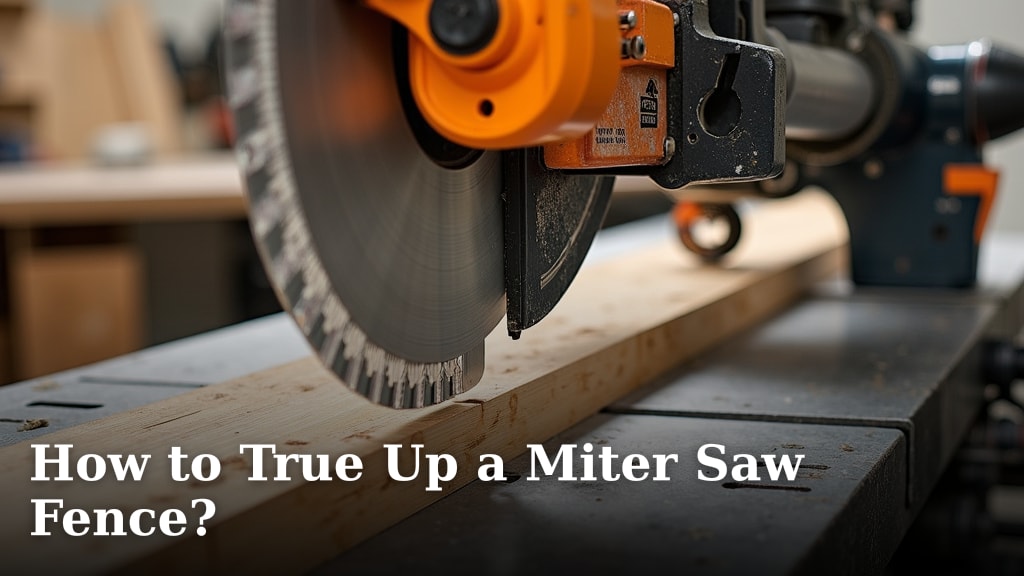
- Verify fence and table are square to the blade.
- Lubricate moving parts as per manufacturer guidelines.
- Inspect power cord and plug for any damage.
Working with Different Wood Types
Different materials react differently to cuts. Softwoods like pine are more prone to crushing or fuzzy edges if not supported. Hardwoods generally cut cleaner but can still tear out.
Plywood and MDF are composites, often with thin veneers that are very susceptible to tear out. This is where those sacrificial fences and sharp, high-tooth blades really shine.
Backing Boards: An Extra Layer of Protection
Sometimes, even with all the precautions, you might need an extra layer. A backing board is simply a piece of scrap wood placed directly beneath your workpiece.
When the blade cuts through your primary material, it then immediately enters the backing board. This provides support for the bottom fibers, preventing blow-out and tear out on the underside.
Common Mistakes to Avoid
What are some things you should NOT do? Don’t use a dull blade. Don’t rush your cut. Never cut unsupported material; always use proper clamping and supports.
Also, don’t forget to let the blade reach full speed before starting the cut. Beginning a cut with a slow-spinning blade can also contribute to unwanted tear out.
Conclusion
Preventing tear out on your miter saw is absolutely achievable with the right approach. It’s not just one magic trick, but a combination of thoughtful practices.
By investing in a quality, sharp blade, providing ample support with sacrificial fences and zero-clearance inserts, and maintaining a steady, controlled cutting technique, you’ll consistently achieve those smooth, professional-looking cuts you want.
Remember, patience and preparation are your best friends in the workshop. Happy cutting!
What is tear out and why is it a problem?
Tear out is when the saw blade rips or splinters wood fibers instead of cutting them cleanly, leaving a rough, uneven edge. It’s a problem because it ruins the appearance of your project and can weaken the joint, making your finished piece look unprofessional.
Can blade rotation direction affect tear out?
On a miter saw, the blade always rotates down into the workpiece from the top. While you can’t change the direction, understanding this helps. Tear out often occurs where the blade exits the wood, as there’s less support for the fibers at that point. That’s why backing boards and sacrificial fences are so helpful.
Are there specific blade materials that prevent tear out better?
Carbide-tipped blades are generally recommended for durability and sharpness, which indirectly helps prevent tear out because they stay sharper longer. The specific geometry of the teeth, like an ATB (Alternate Top Bevel) grind, is often more important for fine, tear-out-free crosscuts than the blade material itself.
How often should I sharpen or replace my miter saw blade?
The frequency depends on how often you use your saw and the types of materials you cut. For hobbyists, sharpening once a year or every few months might be enough. For heavy users, or if you notice cuts getting rougher, it could be more often. Always replace blades that are bent, cracked, or have missing teeth.
Does the type of wood always impact tear out?
Yes, the type of wood plays a big role. Softwoods and composite materials like plywood or melamine are generally more prone to tear out due to their fiber structure or delicate outer layers. Hardwoods, while denser, can still experience tear out, especially if their grain is irregular or if cutting across a wide board.