
How To Replace Guard On Craftsman Miter Saw?
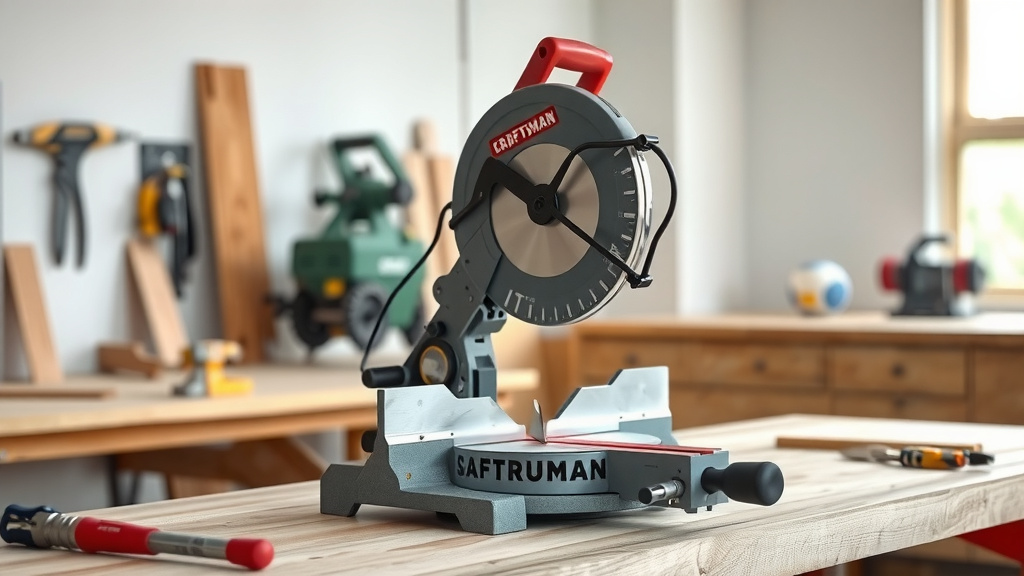
To replace the guard on your Craftsman miter saw, first unplug the tool for safety, then locate and remove the fasteners holding the old guard in place, often screws or clips.
Once the old guard is off, carefully align the new guard, secure it with the appropriate hardware, and always perform a functional check before operating your saw.
- Safety First: Always unplug your miter saw before beginning any work.
- Inspect the Old Guard: Identify how your current guard is attached.
- Remove Fasteners: Use the right tools to take off screws or clips.
- Install New Guard: Align and secure the new component carefully.
- Test Everything: Ensure the guard moves freely and correctly before sawing.
How To Replace Guard On Craftsman Miter Saw?
Replacing the guard on your Craftsman miter saw is a straightforward task that ensures your continued safety and the tool’s proper function.
You will need a few basic tools and a bit of patience to get the job done right.
Why Your Miter Saw Guard Needs Replacing
Think of your miter saw’s guard as its first line of defense, keeping you safe from the spinning blade.
Over time, guards can become cracked, bent, or simply stop moving smoothly, creating a real safety risk.
Many experts say a damaged guard can lead to accidents, so it’s wise to address issues quickly (OSHA guidelines often stress equipment maintenance).
Signs It’s Time for a New Guard
You might notice the guard sticking or not retracting fully when you operate the saw.
Visible cracks, chips, or missing pieces are also clear indicators for a replacement.
Even small imperfections can compromise its protective ability.
Getting Ready: Safety First, Always!
Before you even think about touching a wrench, remember this golden rule: safety first.
We found that forgetting this step is the most common mistake people make.
Here’s a quick checklist to ensure you’re ready to start:
- Unplug the Saw: Completely remove the power cord from the outlet.
- Clear Your Workspace: Make sure you have plenty of room to move and work.
- Gather Your Tools: Have everything you need within reach.
- Wear Safety Gear: Eye protection and gloves are a must.
Tools You’ll Need for the Job
You’ll likely need a few common hand tools for this task.
A screwdriver set (both Phillips and flathead), some hex keys (Allen wrenches), and perhaps a small socket set are generally sufficient.
Having a flashlight can also help you see into tight spaces.
Step-by-Step Guide: Removing the Old Guard
Taking off the old guard isn’t too complicated, but it does require attention to detail.
Each Craftsman model might have slight differences, so always refer to your specific saw’s manual if you have it.
Locate the Fasteners
Typically, the guard is held in place by a few screws or clips near the blade housing.
These might be visible on the outside or require you to slightly lift the blade assembly.
We found that sometimes hidden screws are present under plastic caps.
Carefully Detach Components
Once you’ve identified the fasteners, gently loosen and remove them.
You might need to hold the guard steady as you remove the last screw to prevent it from falling.
Keep all removed hardware together; a small dish works great to avoid losing tiny parts.
Choosing the Right Replacement Guard
Selecting the correct guard is as important as the installation itself.
An ill-fitting guard won’t provide the protection you need and could even get in the way of the blade.
What to Look For in a New Guard
Always try to match your saw’s exact model number when ordering a replacement part.
Original Equipment Manufacturer (OEM) parts are often the best fit, but reputable aftermarket options are available.
Check reviews and product descriptions to confirm compatibility before purchasing.
Installing Your New Guard: A Fresh Start
With the old guard off and the new one ready, it’s time to put everything back together.
This is where patience truly pays off, ensuring every piece fits just right.
Align and Attach Securely
Position the new guard exactly where the old one sat, making sure all holes line up.
Begin by hand-tightening all screws or clips before using tools to snug them down.
Don’t over-tighten; just make them firm and secure.
Double-Check Everything
After installing, manually move the guard a few times to ensure it retracts and extends smoothly.
Make sure there’s no contact with the blade at any point in its travel.
This crucial step helps you verify proper function.
Common Pitfalls and How to Avoid Them
Even simple repairs can have their tricky moments. Knowing what to watch for can save you headaches.
We’ve gathered a few common issues people face during this process.
One common issue is using the wrong size fasteners, which can strip threads or leave the guard loose.
Another is rushing the process, leading to misaligned parts or overlooking a critical connection.
Always take your time and re-check your work.
When to Call a Pro
If you encounter stripped screws, broken plastic housing, or just feel uncertain, it’s okay to seek professional help.
A qualified technician can ensure the repair is done correctly and safely.
Your safety and the saw’s long-term performance are worth the investment.
Maintenance Tips for a Longer-Lasting Guard
Once your new guard is on, a little routine care can significantly extend its lifespan.
Keeping it clean and free from sawdust build-up is a simple yet effective practice.
Regularly inspect your guard for any new cracks or signs of stress.
Lubricate moving parts gently if needed, but always check your saw’s manual first for specific recommendations.
This attention to detail keeps your saw in top shape.
Here’s a quick visual guide for inspecting your guard:
| Feature | Signs of a Healthy Guard | Signs of a Worn Guard |
|---|---|---|
| Movement | Smooth, full retraction | Sticks, grinds, incomplete movement |
| Material | Solid, clear (if transparent) | Cracked, chipped, brittle spots |
| Fasteners | Secure, no rust | Loose, missing, stripped |
| Visibility | Clear view of blade (if designed) | Scratched, foggy, obstructs view |
And here’s a quick checklist after installation:
- Is the guard moving freely?
- Are all fasteners tight?
- Does it clear the blade completely?
- Is the saw unplugged when not in use?
- Have you done a test cut on scrap wood?
Conclusion
Replacing the guard on your Craftsman miter saw is an important maintenance step that directly impacts your safety and the tool’s effectiveness.
By following these steps, you can confidently undertake this repair, ensuring your saw is ready for your next project.
Remember, a well-maintained saw is a safer and more efficient tool for any craftsman.
How often should I inspect my miter saw guard?
Many experts recommend inspecting your miter saw guard before each use, or at least every few projects, to catch any emerging issues early. A quick visual check can spot cracks or debris that affect its function.
Can I use super glue to fix a small crack in the guard?
Using super glue or other adhesives for repairs on a miter saw guard is generally not recommended. A repaired guard might not withstand impacts or wear, potentially failing when you need it most. It’s best to replace the entire guard for full protection.
Is it difficult to find a replacement guard for older Craftsman models?
Finding replacement parts for older Craftsman models can sometimes be challenging but is often possible. You might need to search online marketplaces, specialized saw parts retailers, or contact Craftsman directly. Having your saw’s model number is key.
What if the new guard feels stiff when I first install it?
If your new guard feels stiff, check for proper alignment and ensure no parts are binding or rubbing. Sometimes, a tiny bit of non-oily lubricant on pivot points (as per your manual) can help, but avoid anything that attracts sawdust.
Does a broken guard void my miter saw’s warranty?
A broken guard itself may not void the warranty, especially if it’s due to normal wear or a manufacturing defect. However, attempting complex repairs or using non-approved parts might. It’s best to check your warranty terms or contact Craftsman customer service if you have concerns.
