How To Use A Sliding Miter Saw?
On this page (10 sections)
- How To Use A Sliding Miter Saw?
- Safety: Your Workshop’s Golden Rule
- Getting to Know Your Saw: Anatomy Basics
- Setting Up for Success: Your Workspace
- Prepping Your Material and Saw
- Mastering the Sliding Cut: Step-by-Step
- Beyond Straight Cuts: Angles and Bevels
- Common Mistakes and Quick Fixes
- Pro Tips for a Better Finish
- Conclusion
To use a sliding miter saw effectively, you first ensure safety with proper gear and a clear workspace, then accurately measure and secure your material before engaging the saw blade for a controlled, smooth cutting motion.
The key to mastering your sliding miter saw lies in understanding its unique extended cutting capacity and practicing consistent, safe techniques for precise crosscuts, miters, and bevels.
Here’s a quick rundown of what you’ll discover in this guide:
- You’ll grasp the essential safety steps before any cut.
- We’ll demystify your saw’s parts and their purpose.
- You’ll learn how to set up your workspace for peak efficiency.
- We’ll walk through making accurate, smooth cuts.
- You’ll uncover tips for avoiding common cutting mishaps.
How To Use A Sliding Miter Saw?
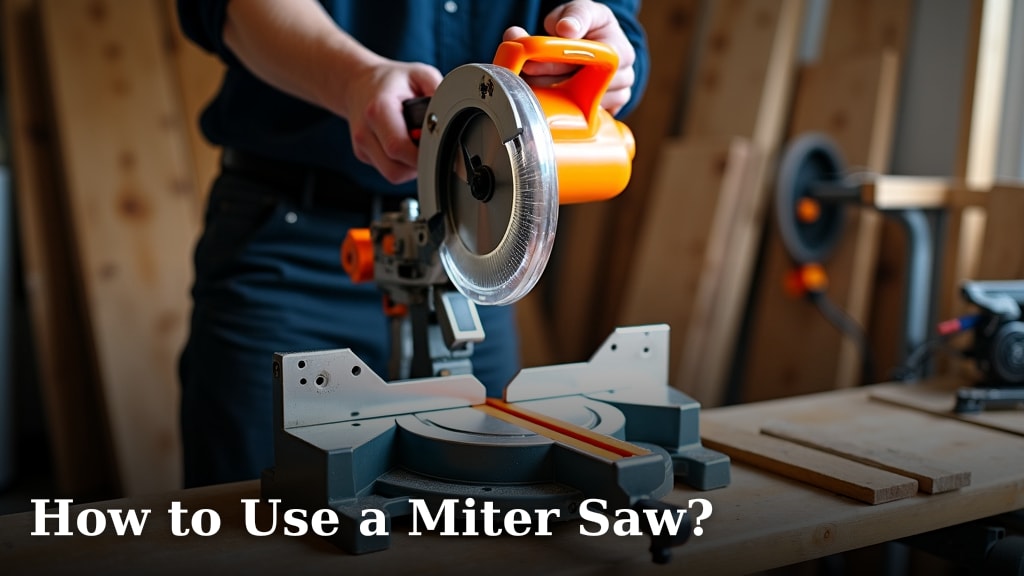
Using a sliding miter saw involves setting up safely, aligning your material, and performing a steady, controlled pull-cut motion to achieve clean, accurate cuts on wider workpieces.
Why Choose a Sliding Miter Saw?
Have you ever needed to cut a wider board than your traditional miter saw could handle? That’s where a sliding miter saw shines. Its rails let the saw head move forward and back, giving you much greater capacity.
This added travel means you can cut boards like a 2×12 with ease, which a standard miter saw often can’t do. It’s a real workhorse for framing, decking, and various trim projects.
Beyond the Basic Miter
Unlike fixed miter saws, the sliding feature extends your cutting width significantly. Think of it like a train on a track, extending its reach across the material. This capacity is a game-changer for many projects.
Safety: Your Workshop’s Golden Rule
Before you even think about powering up your saw, safety is non-negotiable. Think of it as putting on your seatbelt before driving. You want to protect yourself and others in your workspace.
Essential Safety Gear
Always wear safety glasses or goggles; flying sawdust or debris is no joke. Many experts say hearing protection is also a must, as power tools can be quite loud (OSHA guidelines suggest this).
We found that wearing gloves can be tricky with a spinning blade, so generally, bare hands are safer to maintain full dexterity. Avoid loose clothing or jewelry that could get caught.
Pre-Cut Safety Checks
Before every use, check that your blade is sharp and clean. Make sure all guards are in place and working freely. Also, confirm the saw is securely fastened to its stand or workbench.
Getting to Know Your Saw: Anatomy Basics
Understanding your saw’s parts makes using it much less intimidating. It’s like knowing the pedals and steering wheel in a car. Each part has a job to do for precise cuts.
The Blade and Guard
The blade is the heart of your saw, and the guard protects you from it. Always ensure the lower blade guard retracts smoothly as you cut and closes when the cut is finished.
Miter and Bevel Adjustments
Your saw has a miter scale, usually at the base, for angled cuts across the face of the board. The bevel scale, often at the back, allows for angled cuts through the thickness of the board. Learning these will unlock more complex cuts.
Setting Up for Success: Your Workspace
A tidy and stable workspace is crucial for good results. It’s like a chef needs a clean kitchen. A messy area invites mistakes and potential hazards.
Stable Support is Key
Always place your saw on a stable, level surface. Many experts recommend bolting it down. We found that inadequate support can lead to dangerous wobbles and inaccurate cuts.
Clear the Deck
Remove any scraps, tools, or anything that could interfere with your cut or fall into the path of the spinning blade. You need a clear, open area around your saw.
Prepping Your Material and Saw
Preparation is half the battle won. A well-prepared piece of wood and the right blade choice will make your cuts smoother and more accurate.
Choosing the Correct Blade
The blade you use matters a lot. For fine, clean cuts on trim, a high tooth count blade (60-80 teeth) is ideal. For rough framing or faster cuts, a lower tooth count (24-40 teeth) works best.
Always match the blade to the material you are cutting. Using the wrong blade can lead to tear-out or even unsafe conditions (Saw Blade Institute).
Securing Your Workpiece
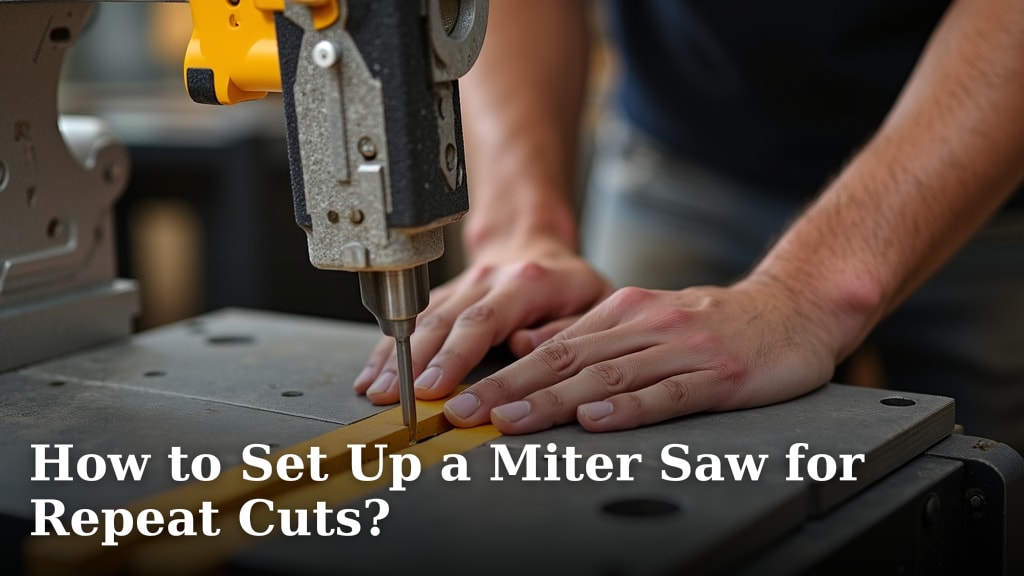
Never freehand a cut. Use clamps, a vise, or the saw’s integrated clamp to hold your material firmly against the fence. This prevents movement and reduces the risk of kickback.
Here’s a quick checklist before you start:
- Safety glasses are on.
- Hearing protection is in place.
- Blade is clean and sharp.
- Workpiece is clamped securely.
- Area is clear of obstructions.
Mastering the Sliding Cut: Step-by-Step
The sliding miter saw has a specific cutting motion. Unlike a chop saw, you pull it out, engage, and push back through the material. This is crucial for its extended capacity.
The Pull-Cut Method
Start by pulling the saw head fully forward towards you. Turn on the saw, let the blade reach full speed, then slowly push the blade down into the material and push it smoothly back through the workpiece.
This pull-cut technique helps to minimize tear-out, especially on delicate materials. Always allow the saw to do the work; don’t force it.
Smooth, Controlled Motion
Maintain a steady, even pressure throughout the cut. Rushing or jerking the saw can lead to uneven cuts and potential safety hazards. Think of it as a smooth, continuous movement.
Beyond Straight Cuts: Angles and Bevels
Your sliding miter saw isn’t just for straight cuts; it’s a wizard with angles. You can create complex joints once you understand the adjustments.
Making Miter Cuts
To make a miter cut, loosen the miter lock and pivot the saw’s base to your desired angle. Re-lock it tightly. For more detail, see how to lock a miter saw. This is perfect for corner joints on trim or frames.
Tackling Bevel Cuts
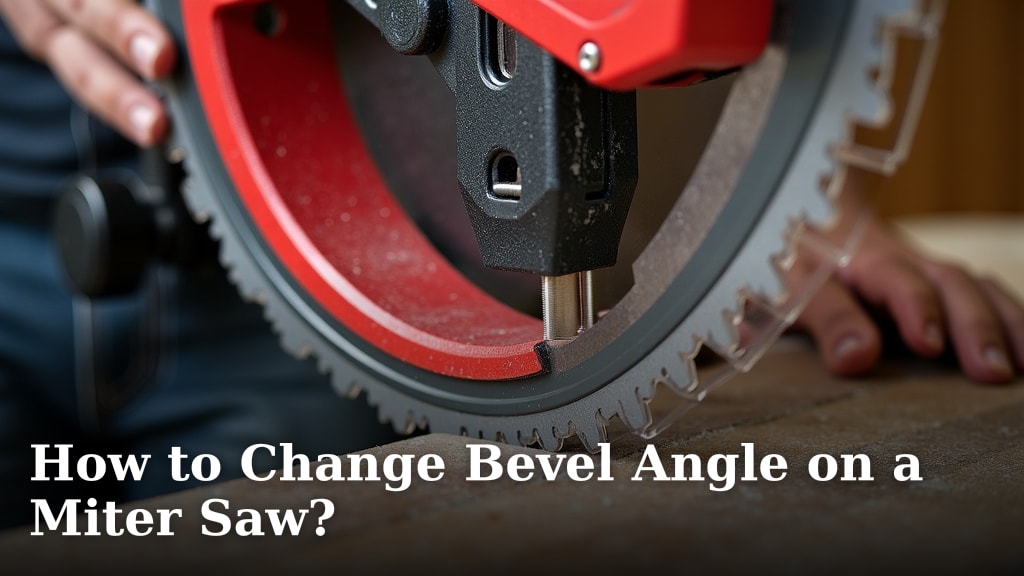
For bevel cuts, you tilt the saw blade assembly itself, usually by a lever at the back. This cut is often used for creating sloped edges, like on crown molding.
Combining for Compound Cuts
When you combine a miter angle with a bevel angle, you’re making a compound cut. This is often necessary for fitting complex trim pieces like crown molding where two angles meet.
Common Mistakes and Quick Fixes
Even seasoned pros make mistakes sometimes. Knowing the common pitfalls can save you time and material. Here are a couple to watch out for.
Blade Wobble and Tear-Out
If your blade wobbles, check if it’s securely tightened. For tear-out (frayed edges), ensure you’re using the right blade, cutting slowly, and have a zero-clearance insert or backing board (Fine Woodworking).
Incorrect Measuring
Measure twice, cut once – it’s a cliché for a reason. Double-check your markings. A slight mismeasurement can throw off an entire project.
| Issue | Common Cause | Solution |
|---|---|---|
| Rough Cut / Tear-Out | Dull blade, wrong blade type, forcing cut | Sharpen/replace blade, use higher tooth count, cut slower |
| Inaccurate Angles | Loose miter/bevel lock, worn detents | Tighten locks, check calibration, use a protractor |
| Material Kickback | Loose clamp, dull blade, forcing cut | Secure material firmly, use sharp blade, slow down |
| Saw Dust Mess | No dust collection | Attach shop vac to dust port, use dust bag |
Pro Tips for a Better Finish
A few simple practices can significantly up your game. These aren’t just for experts; they’re for anyone wanting a really clean result.
Regular Blade Cleaning
Resin buildup on your blade can make it dull and cause more tear-out. Use a specialized blade cleaner regularly. A clean blade is a happy blade, and it will perform much better.
Using a Dust Collection System
Sawdust isn’t just a mess; it’s a health hazard. Attaching a shop vacuum or dust collector to your saw’s dust port keeps your workspace cleaner and improves visibility during cuts.
Conclusion
Mastering your sliding miter saw is a journey, not a sprint. By prioritizing safety, understanding your tool, and practicing good technique, you’ll be making precise, confident cuts in no time. Remember, every cut you make builds your experience and skill. So, take your time, stay safe, and enjoy the satisfaction of a perfectly cut piece of wood.
How Do I Set the Depth on a Sliding Miter Saw?
Sliding miter saws do not typically have a depth stop for cross-cutting like a table saw. However, some models include an adjustable depth stop that prevents the blade from cutting all the way through the material, useful for making dados or partial cuts. Check your saw’s manual for this specific feature.
Can I Cut Metal with a Sliding Miter Saw?
Most standard sliding miter saws are designed for wood and soft materials. Cutting metal requires a specialized metal-cutting blade and often a specific metal-cutting miter saw, which operates at different RPMs. Using the wrong blade or saw for metal can be extremely dangerous and damage your tool.
What’s the Smallest Piece You Can Safely Cut?
The smallest safe piece to cut varies, but as a general rule, if your fingers are getting close to the blade, the piece is too small. Use a hold-down clamp or a sacrificial fence to secure very small pieces, or avoid cutting them on the miter saw altogether if it poses a risk.
How Do I Prevent Wood Tear-Out?
To prevent tear-out, use a sharp, high-tooth-count blade (60T or more for fine work), cut slowly and consistently, and ensure your workpiece is firmly clamped. A zero-clearance insert or placing a sacrificial piece of wood behind your cut can also significantly reduce tear-out.
What’s the Difference Between a Sliding and Non-Sliding Miter Saw?
The key difference is cutting capacity. A non-sliding (chop) miter saw can only cut across the width of the board equal to its blade’s radius. A sliding miter saw has rails that allow the blade to move forward and back, greatly extending its cross-cutting width capacity, making it suitable for much wider boards.