How To Use A Compound Miter Saw?
Using a compound miter saw involves setting the blade at both a miter (horizontal) and bevel (vertical) angle simultaneously to create precise, multi-angled cuts on wood or other materials for projects like crown molding or picture frames.
To safely use a compound miter saw, always secure your workpiece, keep hands clear of the blade path, wear safety gear, and ensure the blade is sharp and correctly installed for your material.
- Get started fast with your compound miter saw.
- Learn to make precise miter, bevel, and compound cuts.
- Prioritize safety with every cut you make.
- Understand the saw’s basic parts and functions.
- Master accurate cutting techniques for clean results.
How To Use A Compound Miter Saw?
Learning to use a compound miter saw can seem tricky at first, but it is a powerful tool for very precise cuts. For more detail, see using a miter saw. If you are comparing models, see these compound miter saw options. This guide will help you understand its functions and how to operate it safely.
Are you ready to make those perfect angled cuts for your next project? Let’s dive in!
Safety First: Your Top Priority
Before you even plug in your saw, safety is key. Think of it like cooking: you wouldn’t chop vegetables with a dull knife or without a cutting board, right?
With a saw, the stakes are higher. Always wear safety glasses and hearing protection. Many experts agree these are non-negotiable (National Safety Council).
Make sure your work area is clean and well-lit. Clutter is a trip hazard, and poor lighting leads to mistakes.
Understanding Your Compound Miter Saw
What exactly is a compound miter saw? It’s a specialized saw designed for cutting angles with incredible accuracy. Hobbyists comparing models can review these compound saw picks. Unlike a basic miter saw, it lets you tilt the blade in two directions at once.
This means you can cut both a miter angle (side-to-side) and a bevel angle (up-and-down) simultaneously. This ability is incredibly useful for complex trim work.
Key Parts of Your Saw
Familiarize yourself with these essential components:
The blade guard covers the blade when not cutting. It retracts as you lower the saw.
The miter scale and lock let you set horizontal angles. You’ll find detents for common angles.
The bevel scale and lock allow you to tilt the blade vertically. This is where the “compound” magic happens.
The fence supports your workpiece against the back of the saw. Always keep it clean.
The hold-down clamp secures your material, preventing movement during cuts. This is important for safety and accuracy.
Setting Up Your Workstation
Proper setup makes a huge difference. Imagine trying to draw a straight line on a wobbly table; it’s just not going to work.
Place your saw on a stable, level surface. A dedicated miter saw stand works best. If using a workbench, ensure it’s sturdy.
Clear space around the saw for long workpieces. You need room to maneuver wood safely.
Make sure the saw is unplugged during initial setup or blade changes. We find this helps prevent accidental starts.
Choosing the Right Blade
The blade you choose matters greatly. A dull blade can cause kickback or tear out your material.
For most general woodworking, a 40-60 tooth blade is a good start. Finer tooth counts (60-80) give cleaner cuts on delicate materials.
Always use a blade designed for your specific saw size and arbor. Never force a blade that doesn’t fit.
Making Basic Cuts: Crosscuts
A simple crosscut is your starting point. This is cutting a board straight across its width.
Place your material firmly against the fence. Use the hold-down clamp for extra security.
Align your cut mark with the blade. Lower the blade slightly to check alignment without starting it.
With the saw running at full speed, slowly lower the blade through the material. Let the saw do the work. Then, slowly raise the blade once the cut is complete.
Mastering Miter Cuts
Miter cuts are angled cuts on the horizontal plane. They’re common for frames or trim. A 45-degree miter is very popular.
Unlock the miter lock and swivel the saw head to your desired angle. Snap it into the detent for common angles, then re-lock it tightly.
Position your material. Double-check your angle and mark. Always remember to cut on the waste side of your line.
Follow the same cutting procedure: full speed, slow descent, then slow ascent. Do you see how straightforward it is?
Conquering Bevel Cuts
Bevel cuts are angled on the vertical plane. Think of cutting a board with a slanted edge. This is what you would need for crown molding.
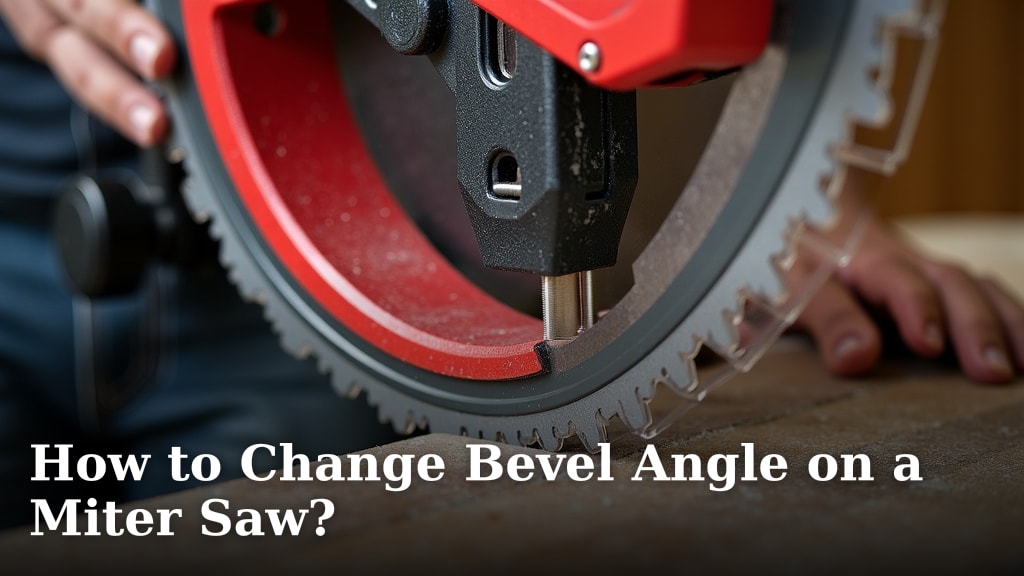
Unlock the bevel lock and tilt the saw head to the desired angle. The bevel scale will guide you. Lock it down securely.
Support your workpiece properly. Because the blade is tilted, the cut might behave differently. Be ready for this.
Proceed with the cut as you would for a crosscut, ensuring the material remains stable. We found that a solid grip is key here.
Understanding Compound Cuts
This is where your saw shines! A compound cut combines a miter and a bevel. Imagine cutting a complex corner on crown molding.
First, set your miter angle, then set your bevel angle. Double-check both settings carefully.
Position and secure your material. Often, you’ll need to account for the way the wood sits against the fence with both angles set.
Make the cut slowly and deliberately. You’ll create a perfectly angled edge that has a tilt and a horizontal angle.
Quick Check: Is Your Cut Correct?
- Did you measure twice, cut once?
- Is the cut smooth, or is there tear-out?
- Does the angle match your plans exactly?
- Is your material free of chips or splinters?
Tips for Accuracy
Even small errors can ruin a project. We all want our cuts to be perfect, don’t we?
Use a sharp pencil or marking knife for clear lines. A fine line is easier to follow than a thick one.
Always cut on the waste side of your line. This preserves your exact measurement.
Perform test cuts on scrap material before cutting your project piece. This confirms your settings and technique.
Many guidelines point to measuring and marking meticulously as a good first step (Workplace Safety & Health Council).
Common Miter Saw Angles Table
This table shows common settings for popular joint types. Remember, always verify with your specific project.
| Joint Type | Miter Angle (Degrees) | Bevel Angle (Degrees) | Typical Use |
|---|---|---|---|
| Crosscut | 0 | 0 | Cutting boards to length |
| Miter Joint (90° corner) | 45 (each piece) | 0 | Picture frames, trim corners |
| Bevel Cut | 0 | Variable (e.g., 10-45) | Slanted edges, angled dados |
| Crown Molding (standard) | 31.6 | 33.9 | Ceiling and wall trim |
Maintenance for Longevity
A well-maintained saw is a safe and accurate saw. Think of it as tuning up your car; regular checks keep it running smoothly.
Clean your saw regularly. Sawdust buildup can affect moving parts and alignment. Use a shop vacuum and a brush.
Inspect the blade for sharpness and damage. A dull blade is a safety hazard and creates poor cuts.
Check all fasteners and guards. Ensure everything is tight and functional. We found that a quick check before each use saves a lot of headaches later.
Research often connects proper tool maintenance with extended tool life and improved safety (OSHA guidelines).
Conclusion
Using a compound miter saw doesn’t have to be intimidating. By understanding its parts, prioritizing safety, and practicing your cuts, you’ll quickly become proficient. Remember, precision comes with patience and attention to detail. Take your time, stay safe, and enjoy the satisfaction of perfectly angled cuts on your next project.
What is the difference between a miter saw and a compound miter saw?
A standard miter saw only allows you to adjust the blade horizontally for miter cuts. A compound miter saw, however, adds the ability to tilt the blade vertically (bevel) as well. This allows you to make more complex compound cuts that combine both angles.
Can a compound miter saw cut metal?
Generally, a standard compound miter saw is designed for cutting wood, plastics, and some non-ferrous metals like aluminum with the appropriate blade. Cutting steel or other hard metals requires a specialized metal-cutting saw and specific blades, which are very different.
How do I prevent kickback when using a miter saw?
To prevent kickback, always ensure your workpiece is firmly secured against the fence and clamped down. Use a sharp blade, allow the saw to reach full speed before cutting, and avoid twisting the material or forcing the cut. Stand to the side of the blade path.
What safety precautions should I always take with a miter saw?
Always wear safety glasses and hearing protection. Keep your hands a safe distance from the blade, use hold-down clamps, and ensure the blade guard is functioning correctly. Also, unplug the saw when changing blades or making adjustments.
How do I cut crown molding with a compound miter saw?
Cutting crown molding requires setting both a specific miter and bevel angle simultaneously. These angles depend on the crown molding’s spring angle. It often involves either cutting the molding “flat” or “nested” against the fence, depending on the saw and desired technique.