What Is the Difference Between Single Bevel and Dual Bevel Miter Saw?
On this page (3 sections)
The main difference between a single bevel miter saw and a dual bevel miter saw is how many directions the saw head pivots. A single bevel saw tilts in only one direction, while a dual bevel saw can tilt both left and right.
This difference impacts your workflow and the types of cuts you can make easily. We found that dual bevel saws offer more flexibility, especially for crown molding or complex trim work. Single bevel saws for small shops are often more affordable and sufficient for many basic projects.
- Single bevel saws tilt one way (left or right).
- Dual bevel saws tilt both ways (left AND right).
- Dual bevels save time by not flipping the workpiece.
- Single bevels are usually cheaper.
- Both cut angles, but dual offers more convenience.
Let’s explore what each type of saw offers and help you decide which one is right for your workshop.
Understanding Single Bevel vs. Dual Bevel Miter Saws
You’re looking to upgrade your workshop or start a new project. You’ve heard about miter saws, but now you see terms like “single bevel” and “dual bevel.” What do they really mean for you? Let’s break down the core difference that affects your work and your wallet.
The Beveling Mechanism Explained
The “bevel” refers to the angled cut you make through the thickness of your material. Think of it like cutting a wedge shape. Your miter saw can tilt its blade to achieve this angle. This tilting action is key to understanding the difference between the two types of saws.
How a Single Bevel Miter Saw Works
With a single bevel saw, the saw head can only tilt in one direction. This is typically to the left. Once it’s tilted as far as it can go, you can’t push it any further to the right. To make a bevel cut in the opposite direction, you have to flip your workpiece over. This might mean rotating a long piece of trim, which can be awkward.
Many woodworkers use single bevel saws successfully for projects like deck railing, picture frames, and basic window trim. It’s a tried-and-true option for many tasks. We found that for most DIYers and even some professionals, a single bevel saw handles the majority of their angled cutting needs.
How a Dual Bevel Miter Saw Works
A dual bevel miter saw offers much more flexibility. Its saw head can tilt both to the left and to the right. This means you can make a left-hand bevel cut, then simply tilt the saw head to the right for a right-hand bevel cut, without moving your workpiece. Imagine cutting crown molding where each piece needs opposing bevels – this feature saves a lot of time and effort.
This capability makes dual bevel saws especially popular for projects requiring repetitive, opposing bevel cuts. We’ve seen many professionals highlight this as a significant time-saver, particularly on job sites where efficiency is key. You’ll find it simplifies tasks with odd angles and intricate joints.
Key Differences in Operation and Efficiency
Beyond the basic tilting mechanism, how do these saws truly affect your daily work? It comes down to setup, safety, and the types of projects you tackle.
Workflow and Time Savings
When you’re working on a project, every minute counts, right? A dual bevel saw can be a real time-saver. Consider a task like installing crown molding around a room. You need opposing bevel cuts for inside and outside corners. With a dual bevel saw, you cut one side, then simply tilt the saw head for the next — no need to reposition the molding. We found this drastically speeds up repetitive tasks.
With a single bevel saw, you’d make your left-hand cut. Then, to make the right-hand cut, you’d have to remove the molding, flip it end-for-end or front-to-back, and then re-clamp it. This extra step, while not difficult on its own, adds up over many cuts.
Accuracy and Safety Considerations
When you continuously flip your workpiece, there’s always a chance of introducing small errors. Maybe it’s not perfectly re-clamped, or you’ve accidentally shifted it slightly. A dual bevel saw reduces the need to manipulate your material, which can lead to higher accuracy in your cuts. Less handling of sharp, awkward pieces means less chance of mistakes or injuries.
From a safety standpoint, the less you have to move your material, especially long or heavy pieces, the better. Repositioning can be dangerous, particularly if you’re working alone. We found that many safety guidelines for miter saw usage stress the importance of stable material, and dual bevel saws help achieve that by minimizing movement.
Project Versatility and Applications
What kind of projects are you planning? Your choice of saw might depend heavily on this question. Some projects are just simpler with one type over the other.
Ideal Uses for Single Bevel Saws
A single bevel miter saw is a powerhouse for many common tasks. If you’re building a deck, framing walls, or cutting material for shelves, a single bevel saw will likely meet your needs perfectly. For simple trim work around doors and windows where most cuts can be achieved by angling the saw or flipping the material, it’s an excellent choice.
Entry-level models of single bevel saws are often more affordable, making them a great starting point for new DIYers or anyone on a budget. We’ve seen many product reviews suggest this type of saw is perfectly adequate for general home improvement projects.
When a Dual Bevel Saw Shines
A dual bevel miter saw truly shines in more complex and detailed applications. If you’re tackling crown molding, baseboards with tricky angles, or intricate furniture pieces, the dual bevel feature will save you headaches. Any project where you need mirror-image bevel cuts quickly and precisely without moving the piece benefits greatly. Think of ornate picture frames or complex cabinetry.
Many professional finish carpenters consider a dual bevel saw a must-have tool because of the efficiency and precision it offers. It allows them to work faster and achieve higher quality results on specialized tasks. If your projects involve a lot of angles, this saw is worth considering.
Comparing the Two: A Quick Look
To help you visualize the differences, here’s a quick comparison of single and dual bevel miter saws.
| Feature | Single Bevel Miter Saw | Dual Bevel Miter Saw |
|---|---|---|
| Blade Tilt Direction | One way (typically left) | Both ways (left and right) |
| Workpiece Flipping | Often required for opposing bevels | Rarely required for opposing bevels |
| Best For | Basic crosscuts, simple bevels, framing, decking | Crown molding, complex trim, intricate joinery, repetitive angles |
| Cost | Generally more affordable | Typically higher in price |
| Efficiency for Complex Jobs | Slower due to repositioning | Faster, smoother workflow |
Checklist for Choosing Your Miter Saw
Still on the fence? Ask yourself these questions to guide your decision:
- What types of projects do you plan to do most often?
- How frequently will you need to make opposing angled cuts?
- Is your budget a primary concern, or is convenience more important?
- Do you have space to easily flip and maneuver long workpieces?
- Are you a beginner, or do you have some experience with power tools?
Thinking through these points can help clarify which saw best fits your needs and work style. Remember, the “best” saw is the one that works best for YOU.
Conclusion
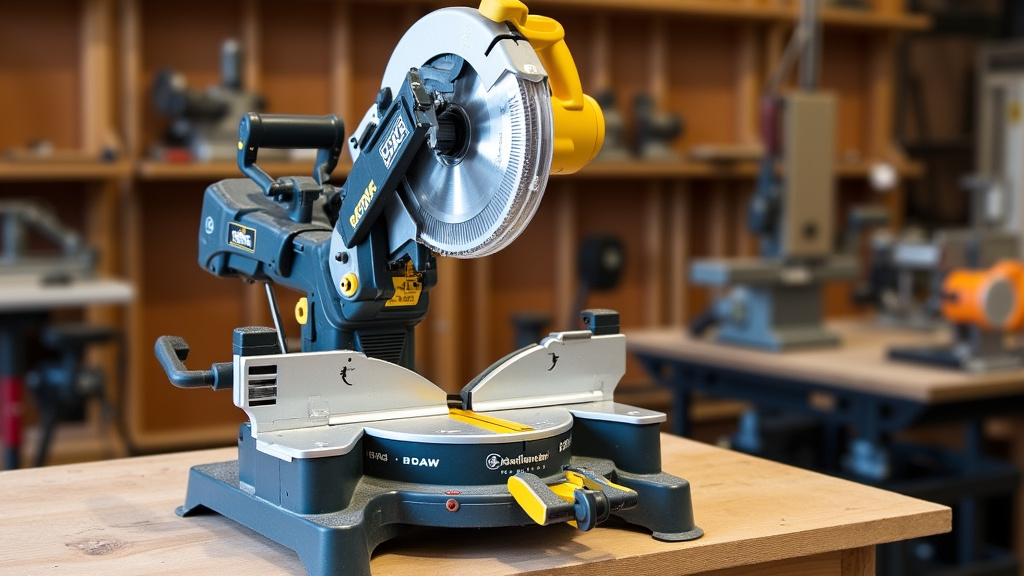
Choosing between a single bevel and a dual bevel miter saw boils down to your specific needs and priorities. If you tackle mostly basic cuts, framing, or decking, a single bevel saw is often sufficient and more budget-friendly. It’s a reliable workhorse for many DIY projects.
However, if your projects frequently involve crown molding, intricate trim, or require precise, opposing bevels without repositioning your material, a dual bevel saw will significantly boost your efficiency and accuracy. Consider what you’ll build most often, and pick the saw that best supports your craft.
Frequently Asked Questions
Is a dual bevel miter saw worth the extra cost for a DIYer?
For many DIYers, a dual bevel saw is absolutely worth the investment, especially if you plan on tackling projects like crown molding, baseboards, or furniture. The time savings and increased accuracy can make complex tasks much more enjoyable and less frustrating. We’ve found it simplifies repetitive angled cuts.
Can I upgrade a single-bevel saw to a dual-bevel saw?
No, you cannot convert a single bevel miter saw into a dual bevel model. The fundamental design differences in the saw head’s pivoting mechanism are built into the saw’s frame. If you need dual bevel capabilities, you’ll need to purchase a new saw.
Do single bevel saws come in different sizes, like 10-inch or 12-inch blades?
Yes, both single bevel and dual bevel miter saws are available with various blade sizes, most commonly 10-inch and 12-inch. The blade size dictates the maximum cutting capacity (depth and width) of the saw. Always match the blade size to the type of material you’ll be cutting.
Are there any safety advantages of a dual bevel miter saw?
A dual bevel saw can offer safety advantages by reducing the need to reposition your workpiece for opposing cuts. Less handling of material, especially long or awkward pieces, means fewer opportunities for errors or accidents. This minimizes strain and potential injury from flipping heavy boards.
What kind of maintenance does a dual bevel miter saw require compared to a single bevel?
Both single and dual bevel miter saws require similar basic maintenance, such as keeping the blade clean, checking blade alignment, and lubricating moving parts. Dual bevel saws might have slightly more complex mechanisms due to their dual pivot points, but the general upkeep is very similar for both types.