How To Use A Miter Saw?
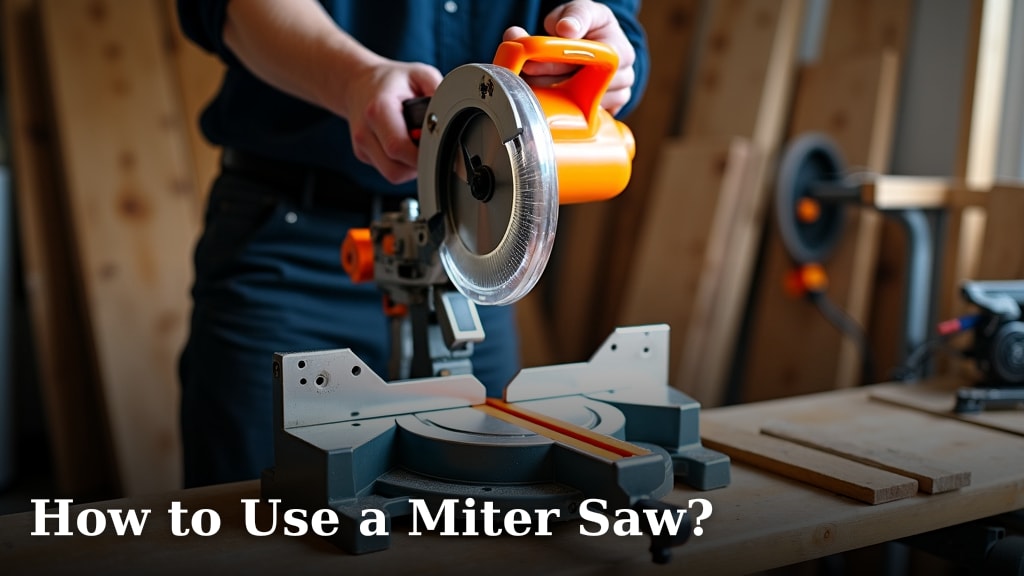
To use a miter saw effectively, always begin by securing your material firmly, positioning it correctly against the fence, and ensuring your blade aligns with the cut line.
Then, power on the miter saw, slowly bring the spinning blade down through the material, and let it return to its upmost position before removing the workpiece.
- Miter saws make precise crosscuts and angled cuts for various projects.
- Safety is paramount; wear eye and ear protection and clear your workspace.
- Setting up involves selecting the right blade and securely clamping your wood.
- Master basic crosscuts, then move to miter, bevel, and compound cuts with confidence.
- Regular saw maintenance ensures it stays accurate and safe for years of use.
How To Use A Miter Saw?
Using a miter saw is simpler than you might think, allowing you to achieve professional-looking cuts for many projects.
This guide will walk you through the essential steps to operate your saw safely and accurately, from setup to making advanced cuts.
Understanding Your Miter Saw
Before you make your first cut, it helps to know your tool. If you are still choosing one, compare the best miter saws for your projects. A miter saw is like a specialized circular saw mounted on a stand, designed for precise angled cuts.
Getting familiar with its parts and what they do builds confidence and helps you use it correctly every time.
What is a Miter Saw?
A miter saw is a stationary power tool primarily used for crosscutting and mitering. It excels at cutting trim, molding, and framing materials with great accuracy.
Think of it as your best friend for projects needing perfect angles, whether for a picture frame or a deck railing.
Key Parts You Need to Know
Your miter saw has several important components. The blade guard keeps you safe, while the fence provides stability for your material.
The miter scale lets you adjust angles for precise cuts, and the trigger starts the motor. Knowing these parts helps you control your saw effectively.
Safety First: Your Most Important Step
When working with any power tool, safety is not an option; it’s a rule. Many experts say that proper preparation prevents accidents before they happen.
Taking a few moments to prepare safely can save you a lot of trouble and ensures a smooth project.
Essential Safety Gear Checklist
Before you even plug in your miter saw, put on your safety gear. For more detail, see miter saw noise levels. This small step makes a big difference.
- Safety Glasses: Protect your eyes from flying debris.
- Hearing Protection: Reduce noise exposure from the saw motor.
- Dust Mask: Avoid inhaling fine sawdust, which can be harmful.
- Gloves: For handling wood, but remove them when operating the saw to avoid snagging.
- Appropriate Clothing: Avoid loose clothing or jewelry that could catch in the blade.
Work Area Preparation
Clear your workspace of clutter. For more detail, see miter saws for apartment use. You need ample room to move and to support your material properly. Research often shows that a tidy workspace is a safe workspace.
Ensure good lighting so you can clearly see your cut line and the saw’s operation. Also, check that your power cord is out of the way.
Setting Up Your Miter Saw
Proper setup is the secret to accurate cuts. A sturdy miter saw bench can provide a stable work surface. A few minutes spent here can save you hours of frustration later trying to fix crooked pieces.
Think of it like laying the foundation for a house; a strong start makes everything easier and more stable.
Blade Selection Matters
The right blade makes a world of difference. For fine, smooth cuts on delicate materials, we found that blades with more teeth (like 60-80T) work best.
For rougher cuts or framing lumber, a blade with fewer teeth (around 24-40T) is often sufficient and faster (Woodworking Magazine).
Securing Your Material
Never hold your material by hand while cutting. Always use clamps or the saw’s built-in clamping system to secure your workpiece firmly against the fence and table.
This prevents the wood from shifting during the cut, which can cause kickback or an inaccurate cut.
Making Basic Cuts with Confidence
Ready to make some sawdust? We’ll start with the most common cut: the crosscut. It’s the building block for nearly all your miter saw projects.
Once you master this, you’ll feel much more comfortable moving on to angled cuts.
The Simple Crosscut
For a basic crosscut, set your miter saw to 0 degrees. Mark your cut line clearly on your material. Position the wood so the blade’s teeth will cut on the waste side of your line.
Lower the blade slightly, but not fully, to score a shallow cut. Then, slowly bring the blade through the material, maintaining a steady, even pressure.
Angled Miter Cuts
Miter cuts are simply crosscuts made at an angle other than 90 degrees. This is where your miter saw truly shines, letting you create perfect corners.
Adjust the miter angle by loosening the miter lock, pivoting the saw head to your desired angle (e.g., 45 degrees for a picture frame), and then locking it securely.
| Cut Type | Miter Angle | Common Use |
|---|---|---|
| Straight Crosscut | 0 degrees | Cutting boards to length, general framing |
| Standard Miter | 45 degrees | Picture frames, trim corners, box joints |
| Custom Miter | Any angle | Specialized woodworking, architectural details |
Beyond the Basics: Bevel and Compound Cuts
Once comfortable with crosscuts and miters, you’re ready for bevels. These cuts add another dimension, literally, to your projects.
You’ll find these cuts essential for more complex moldings or cabinet work.
Mastering Bevel Cuts
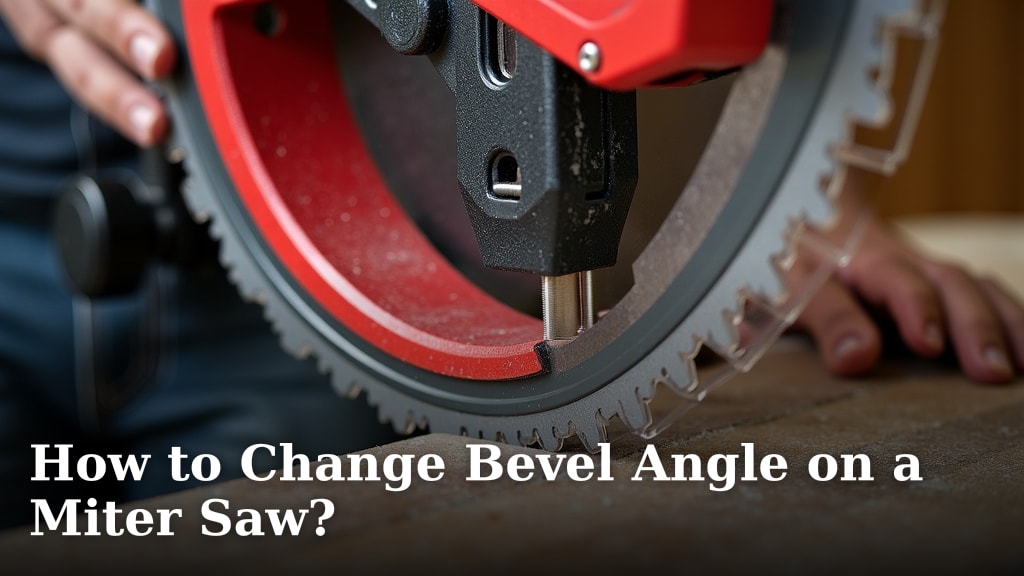
A bevel cut involves tilting the blade, not just pivoting the table. To make a bevel cut, unlock the bevel adjustment, tilt the saw head to the desired angle (e.g., 45 degrees), and lock it in place.
Remember to always keep your material firmly against the fence, even when the blade is tilted, for consistent results (Fine Woodworking).
What are Compound Cuts?
A compound cut is a combination of both a miter and a bevel cut. It means the saw head is angled both horizontally (miter) and vertically (bevel) at the same time.
These cuts are perfect for crown molding or complex trim work, requiring both precision and attention to detail.
Common Miter Saw Mistakes to Avoid
Even experienced users can make small errors. Being aware of common pitfalls helps you stay safe and produce better work.
Let’s make sure you avoid these easy-to-fix issues.
- Cutting with a Dull Blade: This causes tear-out and can be dangerous. Always use a sharp blade.
- Not Securing Material: Unclamped wood can kickback, causing injury or a bad cut.
- Rushing the Cut: Slow and steady pressure produces cleaner, safer results.
- Overreaching: Keep your body in a stable position and don’t stretch too far over the saw.
- Ignoring Safety Gear: Eye and ear protection are non-negotiable.
Maintaining Your Saw for Longevity
A little care goes a long way. Regular maintenance keeps your miter saw running smoothly and safely for years to come.
Treat your tools well, and they will serve you well, project after project.
After each use, unplug the saw and clean off any sawdust from the motor vents and around the blade. If the motor needs service, see miter saw carbon brushes. Periodically check that all bolts and screws are tight.
Also, ensure the blade is sharp and replace it when needed, as a dull blade puts strain on the motor and makes poor cuts (Popular Mechanics).
Conclusion
Learning how to use a miter saw opens up a world of possibilities for your woodworking and home improvement projects. From simple crosscuts to complex compound angles, this tool makes precision cutting accessible to everyone.
Always prioritize safety, take your time with setup, and practice your cuts. With a little patience and these guidelines, you’ll be making clean, accurate cuts like a pro in no time.
What kind of projects are best for a miter saw?
Miter saws are ideal for projects requiring precise angled cuts, like making picture frames, installing crown molding, cutting baseboards, building furniture frames, or creating precise joints for boxes.
How do I prevent kickback when using a miter saw?
To prevent kickback, always ensure your material is firmly clamped to the saw’s fence and table. Use a sharp blade, allow the blade to reach full speed before cutting, and apply slow, steady pressure when cutting.
Can a miter saw cut metal or plastic?
While primarily designed for wood, specific blades are available for cutting certain types of plastic or non-ferrous metals like aluminum. Always use the correct blade for the material, and check your saw’s manual for material compatibility.
What’s the difference between a miter saw and a table saw?
A miter saw excels at crosscuts and angle cuts, ideal for cutting wood to length. A table saw is best for ripping lumber (cutting with the grain) and making longer, straight cuts along the length of a board.
How often should I clean my miter saw?
You should give your miter saw a quick clean after every use to remove sawdust and debris, especially from motor vents. A deeper cleaning and inspection of bolts and blade sharpness should be done periodically, depending on how often you use it.