How To Use A Miter Saw For Beginners?
To use a miter saw for beginners, always start by securing your material firmly, setting the correct angle, and allowing the blade to reach full speed before making your cut.
Safety is key: wear eye and ear protection, keep hands clear of the blade, and understand your miter saw’s features before powering it on.
- Always prioritize safety with eye and ear protection.
- Understand your saw’s parts and how to make basic adjustments.
- Secure your workpiece and set the blade correctly for precise cuts.
- Practice simple crosscuts and miter cuts before tackling complex projects.
- Regular maintenance will keep your miter saw running smoothly and safely.
How To Use A Miter Saw For Beginners?
Using a miter saw involves understanding its basic functions, ensuring proper safety, and practicing common cuts to achieve precise woodworking results.
So, you’ve got a shiny new miter saw, ready to tackle your first project? If you are still shopping, compare budget miter saws for beginners. That’s fantastic! Many people feel a little intimidated by power tools at first. That’s perfectly normal.
Think of your miter saw as a very precise, powerful friend. We’re here to help you get acquainted safely and effectively.
Safety First: Your Top Priority
Before you even plug in your saw, let’s talk safety. This isn’t just a suggestion; it’s a non-negotiable rule. Many workplace safety guidelines, like those from OSHA, always stress proper PPE when operating machinery. Your eyes and ears are precious, right?
Essential Safety Gear
- Eye Protection: Always wear safety glasses or goggles. Sawdust and wood chips fly.
- Ear Protection: Miter saws are loud. Protect your hearing with earmuffs or earplugs.
- No Loose Clothing: Roll up sleeves, tie back long hair. Loose items can get caught.
- Gloves (Optional): Some prefer gloves for grip, but avoid bulky ones near the blade.
Always maintain a clear workspace. Keep children and pets away from your work area. A cluttered space creates tripping hazards and distractions, which we want to avoid.
Understanding Your Miter Saw’s Anatomy
Every miter saw has a few key parts. Knowing what each does will make you a much more confident operator. It’s like knowing the pedals and steering wheel in a car.
Key Components to Know
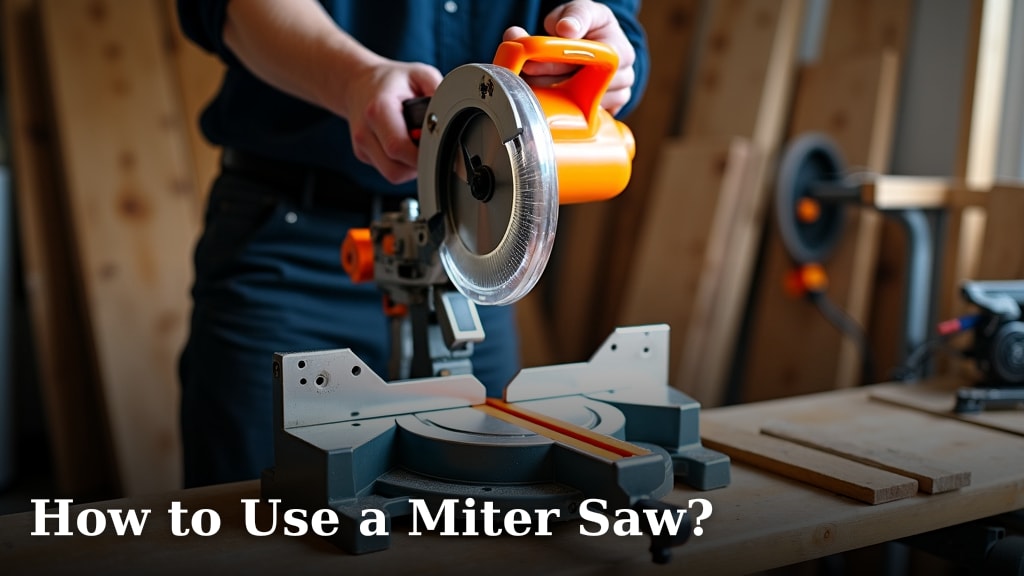
You have the blade guard, which automatically covers the blade when not cutting. There’s also the miter scale and lock, where you set your angles.
The fence supports your workpiece, keeping it square. The trigger starts the motor, of course. The dust port is where you can connect a shop vac to manage sawdust, a feature many users appreciate. Understanding these parts helps you quickly troubleshoot or make adjustments as needed.
Setting Up Your Miter Saw for Success
Proper setup is half the battle for accurate cuts. For more detail, see hanging a miter saw on a wall. See how to mount a miter saw on a stable surface. You wouldn’t start a race with flat tires, would you? Make sure your saw is on a stable, level surface. A dedicated workbench or a miter saw stand works best.
Workspace Preparation Checklist
- Ensure the saw is firmly secured to its stand or workbench.
- Clear any debris or scraps from the cutting area.
- Check that your blade is clean and sharp. A dull blade can cause kickback.
- Verify your power cord is safely routed and not a tripping hazard.
- Have your measuring tools and pencils ready nearby.
Remember to connect your dust collection system if you have one. This will improve visibility and keep your shop cleaner, saving you cleanup time later.
Making Your First Cuts: Crosscuts
A crosscut is the simplest cut, going straight across the width of your wood. It’s a great place to start practicing. Imagine slicing a loaf of bread straight down.
- Measure and Mark: Use a tape measure and pencil to mark your desired cut line clearly on your workpiece.
- Position Your Wood: Place the wood firmly against the fence. Align your mark with the blade’s kerf (the gap the blade makes).
- Secure the Workpiece: Use clamps if your saw has them, or hold the wood firmly against the fence and table. Keep your hands at least six inches away from the blade path.
- Start the Saw: Allow the blade to reach full speed before lowering it into the wood. This helps prevent jagged cuts and motor strain.
- Smooth, Steady Cut: Lower the blade slowly and steadily through the wood. Don’t force it.
- Release and Reset: Once through, release the trigger, wait for the blade to stop spinning completely, then raise it.
We found that beginners often rush this step. Patience leads to much better results and a safer experience. Take your time!
Angled Cuts: Miters and Bevels
Now, let’s get fancy! Miters are cuts made at an angle across the face of the board (like for picture frames). Bevels are cuts made at an angle through the thickness of the board (like for trim against a ceiling).
Miter Cuts (Angle Across the Face)
To make a miter cut, you’ll adjust the saw’s turntable. Review how to lock the saw after setting the angle. Unlock the miter lock, pivot the saw head to your desired angle (e.g., 45 degrees for a corner), and then lock it back down. Then, follow the same steps as a crosscut. Many experts say to always test your angle on a scrap piece first.
Bevel Cuts (Angle Through the Thickness)
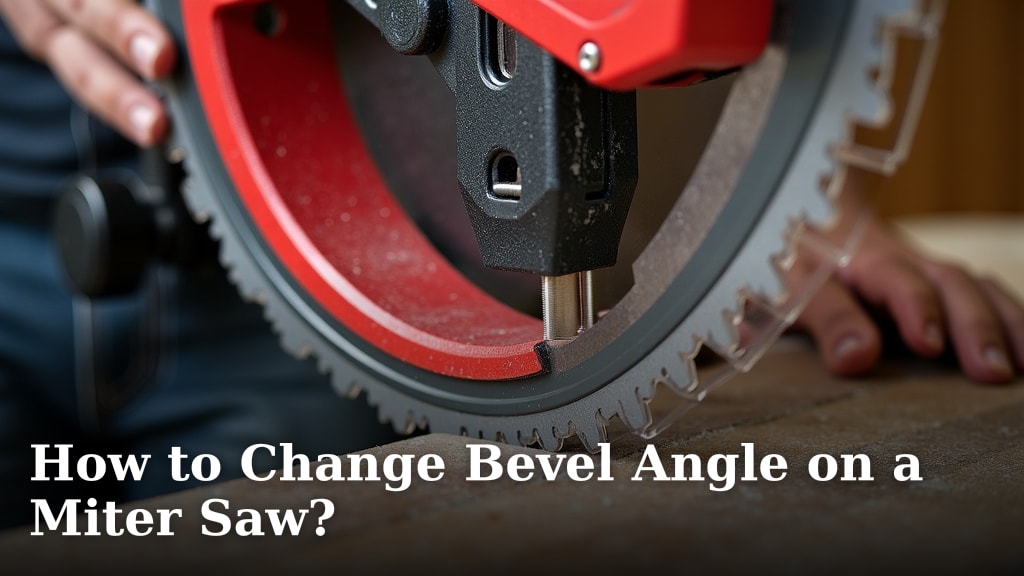
For a bevel cut, you tilt the actual blade assembly. Unlock the bevel lock, tilt the blade to your angle (e.g., 22.5 degrees), then secure it. Some saws tilt both ways, others only one.
Bevel cuts often feel different. So, adjust your grip and approach slightly. This can make a big difference in the cut quality.
Can you see how learning these basics opens up a variety of projects? From simple shelves to complex crown molding, it all starts here.
Common Miter Saw Cuts Compared
Here’s a quick overview of the main cut types you’ll use regularly.
| Cut Type | Description | Common Use |
|---|---|---|
| Crosscut | Straight cut across the wood’s width (0° angle). | Cutting lumber to length, general sizing. |
| Miter Cut | Angled cut across the wood’s face (e.g., 45°). | Picture frames, baseboards, corner joints. |
| Bevel Cut | Angled cut through the wood’s thickness (e.g., 22.5°). | Crown molding, angled edges, sloped designs. |
Understanding these different cut types will help you plan your projects more effectively. Each has its place in precision woodworking.
Maintaining Your Miter Saw for Longevity
A well-maintained saw is a happy saw, and a safer saw! Just like a car needs oil changes, your saw needs a little love. Proper care extends its lifespan and ensures consistent performance.
Quick Maintenance Tips
After each use, unplug the saw and wipe it down to remove sawdust. Clean the blade and check its teeth for damage or dullness.
Many manufacturers suggest regularly lubricating moving parts, so check your saw’s manual. Store your saw in a dry place to prevent rust. Don’t forget to inspect the power cord for any fraying or damage. A damaged cord is a serious safety risk. A little bit of care goes a long way.
Conclusion
Learning how to use a miter saw for beginners might seem daunting, but with a focus on safety, understanding your tool, and plenty of practice, you’ll be making precise cuts in no time. Remember, every master carpenter started somewhere, usually with a simple crosscut!
Approach each cut with patience and respect for your machine. Soon, you’ll feel confident tackling those DIY projects you’ve dreamed of. Happy cutting, and always keep those fingers safe!
Frequently Asked Questions About Miter Saws
What’s the difference between a miter saw and a circular saw?
A miter saw is typically fixed to a stand and designed for precise, repeatable angled cuts in specific materials, often used for trim. For more detail, see using a hand miter saw. A circular saw is handheld and more versatile for making long, straight cuts across larger sheet goods or rough lumber anywhere.
Can a miter saw cut metal?
Standard miter saws, designed for wood, should not cut metal with their stock blades. Cutting metal requires a specialized metal-cutting miter saw with an abrasive blade or a specific carbide-tipped blade rated for metal, along with appropriate safety gear.
How do I prevent kickback when using a miter saw?
Prevent kickback by ensuring your workpiece is always firmly secured against the fence and table. Allow the blade to reach full speed before cutting, feed the blade slowly and steadily, and never twist the wood during a cut. A sharp blade also greatly reduces kickback risk.
Is a compound miter saw worth it for a beginner?
A compound miter saw is definitely worth it, even for beginners, as it allows you to make both miter and bevel cuts at the same time. Beginners considering a sliding model can compare sliding miter saws. This capability simplifies complex angled cuts found in crown molding or intricate trim work, offering greater versatility as you grow your skills.
How often should I change my miter saw blade?
The frequency of changing your miter saw blade depends on its quality, how often you use it, and the types of materials you cut. A general rule is to change it when you notice splintering, burning of the wood, or if the saw struggles to cut smoothly, even after cleaning. Keeping a sharp blade is crucial for safety and cut quality.