Is A Miter Saw The Same As A Circular Saw?
On this page (6 sections)
No, a miter saw is not the same as a circular saw, even though both tools are designed to cut through materials, primarily wood.
They are distinct power tools with different functionalities, designs, and ideal applications that cater to specific cutting needs.
Before we dive deep, here’s a quick summary to help you get the straightforward answer:
- A miter saw stays put, focusing on precise angle cuts (like crosscuts and bevels) on workpieces you bring to it.
- A circular saw is handheld, letting you move it along a workpiece for rip cuts, crosscuts, and plunge cuts.
- Miter saws offer unmatched accuracy for trim and framing.
- Circular saws are kings of portability and cutting larger sheets or longer boards.
- Think of it like this: one is a stationary sniper, the other a mobile soldier.
Is A Miter Saw The Same As A Circular Saw?
Definitely not! While both tools use a spinning circular blade to cut, their design, function, and how you use them are quite different.
Understanding these differences is key to picking the right tool for your project.
Understanding the Basics: What Do They Even Do?
Imagine you have wood to cut. Both saws can help, but they go about it in unique ways.
It’s like comparing a screwdriver to a wrench; both turn things, but one handles screws and the other handles nuts.
The Miter Saw’s Niche
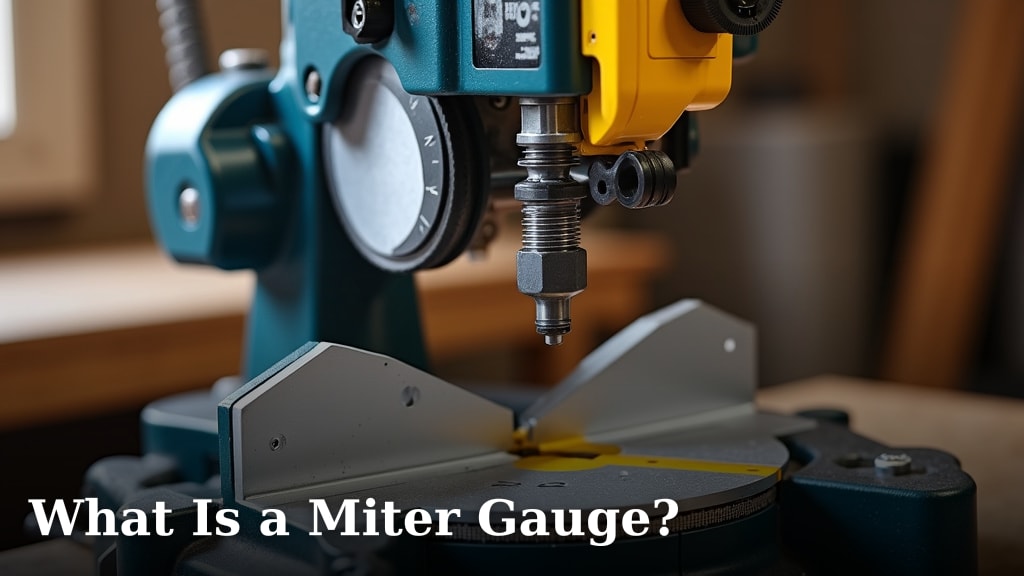
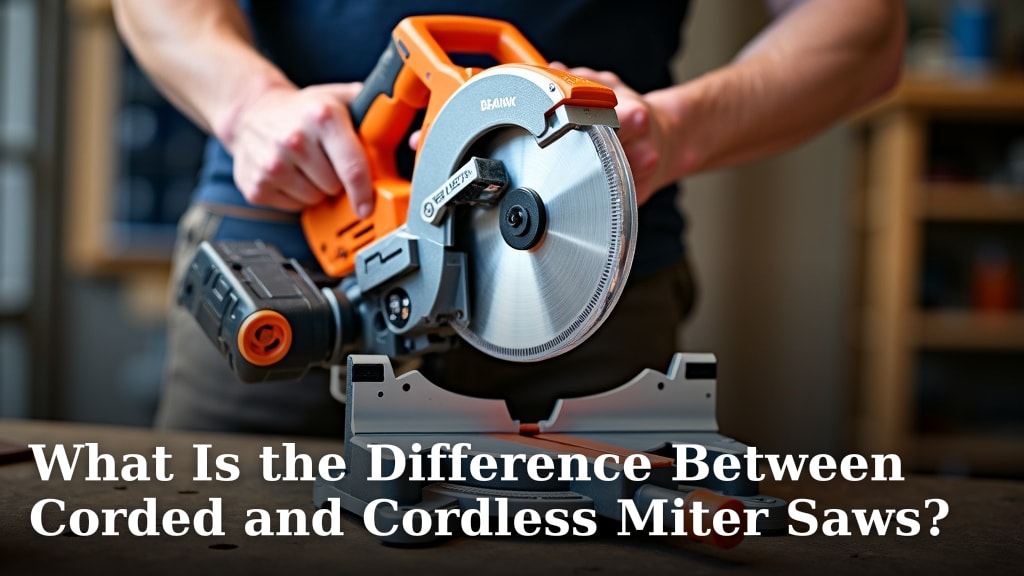
A miter saw is usually a stationary tool. You place your material on a fence and push the saw blade down to make a cut.
We found that miter saws shine when you need highly accurate crosscuts and angled cuts (miters and bevels) (Tool Talk Monthly).
The Circular Saw’s World
On the flip side, a circular saw is a handheld workhorse. You guide its blade through the material.
It’s fantastic for cutting large sheets of plywood or making long, straight cuts along the length of a board.
Key Differences: More Than Just A Blade
Let’s peel back the layers and really see what sets these two apart. It’s not just about the name!
Knowing these points will help you decide which saw belongs in your toolbox.
How They Operate: Stationary vs. Portable
This is probably the biggest giveaway. A miter saw is fixed to a base, sometimes on a stand or workbench.
You bring the material to the saw, setting it against a fence to ensure a straight cut.
A circular saw, however, is a grab-and-go tool. You hold it, guide it, and move it along the material.
This portability makes it incredibly versatile for on-site jobs or cutting materials too large to bring to a stationary saw.
The Types of Cuts They Make
Both cut, but what kind of cut are we talking about? This is where their strengths truly diverge.
One is a master of angles, the other a champion of general-purpose slicing.
Precision in Miter Saws
Miter saws are built for precision. They excel at crosscuts, cutting across the grain of a board.
They are also the go-to for miter cuts (angled cuts across the face of the board, perfect for picture frames) and bevel cuts (angled cuts through the thickness of the board, great for crown molding).
Some even do compound cuts, combining both miter and bevel angles at once.
Versatility of Circular Saws
Circular saws are incredibly versatile for general construction. They are perfect for rip cuts, cutting with the grain along the length of a board.
They can also make crosscuts, but generally with less precision than a miter saw unless you use a guide or jig.
Their ability to cut large sheets like plywood or OSB easily is a massive advantage.
Power and Blade Size
You’ll often find miter saws with larger blades, typically 10 or 12 inches, allowing them to cut thicker or wider materials. For another blade-fit question, see whether circular saw blades fit a miter saw.
Circular saws usually have smaller blades, commonly 7-1/4 inches, which suits their handheld nature and portability.
When to Grab Which Saw?
Knowing the differences is one thing, but knowing when to use each is the real trick.
Think about your project. What kind of cuts will you be making most often?
Choosing a Miter Saw: Your Project Guide
You’ll want a miter saw if your projects involve:
- Cutting trim for door and window casings.
- Making accurate, repeatable angle cuts for picture frames or molding.
- Building furniture where precise joints are key.
- Framing walls and needing consistent crosscuts on 2x4s or 2x6s.
- Any task where perfect, consistent angles are critical (Woodworking Digest).
Opting for a Circular Saw: Project Needs
A circular saw is your best friend for:
- Breaking down large sheets of plywood or MDF.
- Cutting rough lumber on a job site.
- Making quick, straight cuts across boards where ultimate precision isn’t the absolute top priority.
- Any situation where you need to move the tool to the material, such as cutting flooring or decking.
Practical Application Scenarios
Let’s put it simply. Here’s a quick comparison:
| Feature | Miter Saw | Circular Saw |
|---|---|---|
| Primary Use | Precise crosscuts, miter, bevels | Rip cuts, breaking down sheet goods |
| Portability | Stationary (usually on a stand) | Highly portable (handheld) |
| Accuracy | Very high, especially for angles | Good for straight, rough cuts |
| Typical Blade Size | 10-12 inches | 7-1/4 inches |
| Ideal Projects | Trim, molding, framing, furniture | Plywood, decking, rough lumber |
Safety First: A Quick Look
No matter which saw you use, safety is always paramount. Both have spinning blades that can cause serious injury.
Always wear eye protection and hearing protection.
Blade Guards and Kickback
Both saws feature blade guards, but their function differs slightly. A miter saw’s guard usually retracts as you plunge the blade.
Circular saws have a spring-loaded lower guard that moves as you cut.
Be aware of kickback with circular saws; it happens when the blade binds in the material and the saw jumps back at you. Proper technique helps prevent this.
Making Your Decision: A Quick Checklist
Still wondering which one is right for you? Ask yourself these questions:
- Do my projects mostly need perfect angles for trim and molding? (Miter Saw)
- Am I often cutting large sheets of wood like plywood? (Circular Saw)
- Do I need to make long cuts along the length of boards? (Circular Saw)
- Is portability crucial, or will my saw stay in one spot? (Circular Saw for portable, Miter Saw for stationary)
- Is ultimate precision for joinery more important than overall versatility? (Miter Saw)
Final Thoughts on Your Saw Journey
It’s not about one saw being “better” than the other. It’s about which tool is the right fit for the job you need to do.
Many professional woodworkers and carpenters own both, knowing each has its unique strengths.
Start with the saw that best matches your immediate project needs, and you can always add the other later!
Conclusion
So, is a miter saw the same as a circular saw? The answer is a clear no. While they both feature circular blades, they are fundamentally different tools designed for different purposes. A miter saw excels at precise, angled crosscuts for trim and fine woodworking, while a circular saw is the go-to for general-purpose, portable cutting of sheet goods and longer boards. Knowing their distinct roles will empower you to choose the perfect saw for your next project, ensuring you get clean, accurate results safely. For a side-by-side look, read our miter saw vs. circular saw guide.
What is the main difference in how you use a miter saw versus a circular saw?
You use a miter saw by bringing the workpiece to the stationary saw and pushing the blade down to cut. A circular saw is handheld, and you move the saw along the workpiece to make your cut.
Can a circular saw make miter cuts for crown molding?
While you can attempt miter cuts with a circular saw, it’s far more challenging to achieve the accuracy and consistency needed for crown molding. Miter saws are specifically designed for these precise angled cuts. For a guided approach, see how to make miter-style cuts with a circular saw.
Which saw is better for a beginner woodworker?
Many experts suggest that a circular saw might be a better starting point for a beginner due to its versatility and lower initial cost. However, if your first projects involve a lot of trim or small, precise angle cuts, a basic miter saw could be a great choice too.
Do I need both a miter saw and a circular saw?
For many DIYers, having both is ideal as they complement each other perfectly. If you must choose one, consider the type of projects you do most often. If your projects vary widely, you might find yourself wishing you had both eventually.
Is a miter saw safer to use than a circular saw?
Both saws require strict adherence to safety guidelines. A miter saw is often perceived as safer because the workpiece is clamped down, reducing movement. However, circular saws can be safer in situations where moving the material to a stationary saw would be awkward or unsafe. Safety ultimately depends on the user’s technique and awareness.