Is A Miter Saw The Same As A Table Saw?
No, a miter saw and a table saw are not the same; they are distinct tools designed for different cutting tasks. For a closer comparison, read our guide to the differences between these saws. You can also learn whether a miter saw can serve as a table saw.
A miter saw excels at precise crosscuts and angled cuts on smaller workpieces, while a table saw handles rip cuts, larger stock, and often more complex dado or rabbet cuts.
Here’s a quick overview to understand the differences:
- Miter saws make precise angle cuts (crosscuts, bevels, miters) on trim and framing.
- Table saws are workhorses for ripping lumber, making long, straight cuts along the grain.
- Safety practices differ greatly due to their unique blade exposures and cutting actions.
- Choosing between them depends on your project needs: accuracy for angles versus capacity for large panels.
Is A Miter Saw The Same As A Table Saw?
Absolutely not. Think of them as specialized athletes in your workshop; each has a unique role they perform best.
While both are cutting tools, their design, function, and optimal uses are quite different.
Understanding the Miter Saw: Your Angle Specialist
Imagine you need to cut a picture frame corner perfectly or trim for a room. That’s where a miter saw shines.
This saw is mounted on a pivot arm, allowing the blade to swing down onto your workpiece for precise cuts.
What is a Miter Saw Best For?
Miter saws are masters of accuracy when it comes to angled cuts. You often see them used for fine woodworking.
They excel at crosscuts, where you cut across the grain of the wood, and miter cuts, which are angled cuts for joining pieces.
Many experts say these saws are ideal for cutting trim, molding, framing lumber, and other materials where precise angles matter (Fine Woodworking).
Common Miter Saw Types
You’ll find a few variations, each adding a bit more capability to your arsenal:
- Standard Miter Saw: Basic angled and straight cuts.
- Compound Miter Saw: Adds the ability to tilt the blade for bevel cuts.
- Sliding Compound Miter Saw: The blade can slide forward and backward, cutting wider boards.
- Dual-Bevel Sliding Compound Miter Saw: Combines all features, tilting left and right for versatility.
Getting to Know the Table Saw: The Rip Cut Champion
Now, let’s talk about the table saw. This is your go-to tool for processing larger sheets of material or making long, straight cuts.
It features a circular blade protruding through a flat table, with the material pushed past the blade.
What is a Table Saw Best For?
Table saws are invaluable for rip cuts, which means cutting wood along the grain to make narrower boards.
They are fantastic for cutting large sheets of plywood or MDF, making repetitive cuts, and even creating grooves or rabbets with the right blade.
Research often highlights the table saw’s strength in handling larger stock and its consistent, long straight cuts (Wood Magazine).
Types of Table Saws You Might See
From portable to permanent, table saws offer different power and precision levels:
You can find small job site saws, perfect for on-the-go projects, or large cabinet saws built for heavy-duty workshop use.
Hybrid saws offer a balance, combining features from both contractor and cabinet saws.
Key Differences: Miter Saw vs. Table Saw
To truly understand why they aren’t interchangeable, let’s break down their core distinctions.
It’s like comparing a sprinter to a marathon runner; both run, but in very different ways.
Cutting Motion and Blade Exposure
A miter saw blade comes down from above, contacting the workpiece from the top. The blade is mostly enclosed when not cutting.
With a table saw, the blade is fixed and protrudes up through the table. You push the material into the blade horizontally.
Primary Cut Types They Excel At
Miter saws are built for precise crosscuts and miter cuts, especially on smaller pieces like trim.
Table saws are kings of the rip cut, making long, straight cuts along the length of a board or panel.
Workpiece Handling and Capacity
For a miter saw, you bring the workpiece to the saw, often clamping it against a fence. It handles boards up to a certain width and thickness.
A table saw requires you to push the workpiece through the blade. It handles much larger sheets and longer boards, often with the help of extension tables.
Safety Considerations: A Big Factor
Both tools demand respect and proper safety gear. Many guidelines point to understanding the tool’s specific hazards (OSHA).
A miter saw’s blade is exposed only during the cut. A table saw’s blade is continuously exposed, requiring careful attention to kickback prevention and hand placement.
Accuracy and Repeatability
Miter saws offer excellent accuracy for repetitive angle cuts. Setting the exact angle is straightforward.
Table saws provide high accuracy for consistent straight cuts, especially when using a reliable fence system. Repeatable rip cuts are a breeze.
When Should You Use Each Saw?
Knowing when to grab which tool is half the battle in any woodworking project.
Choosing the right saw for the job makes your work safer and more efficient.
Miter Saw Scenarios
You’ll reach for your miter saw when you need to:
- Cut crown molding or baseboards.
- Make precise angled cuts for picture frames.
- Crosscut framing lumber for decks or walls.
- Trim door or window casings.
- Handle smaller, shorter pieces requiring accurate angles.
Table Saw Scenarios
Your table saw is the tool for:
- Ripping large sheets of plywood into smaller panels.
- Creating cabinet components from wider boards.
- Cutting long, consistent strips of wood.
- Making dado cuts for shelving.
- Processing rough lumber into usable dimensions.
Can One Saw Replace the Other?
In a pinch, you can sometimes force one saw to do the other’s job, but it’s rarely ideal or safe.
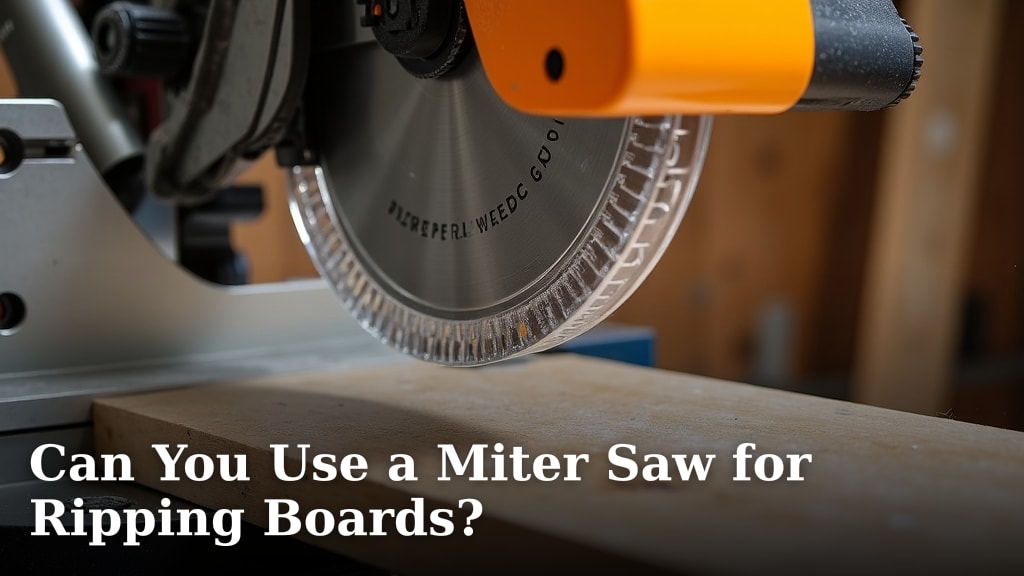
Trying to rip a long board on a miter saw is dangerous and imprecise. Crosscutting a small piece on a table saw can also be tricky.
While some accessories can expand a saw’s capabilities, they don’t fully bridge the gap.
Making Your Choice: Project Needs Guide Your Way
Deciding which saw you need often comes down to the primary type of work you plan to do. It’s about matching the tool to the task.
Here’s a quick comparison to help you visualize their roles:
| Feature | Miter Saw | Table Saw |
|---|---|---|
| Primary Cuts | Crosscuts, Miter Cuts, Bevels | Rip Cuts, Sheet Goods, Dadoes |
| Workpiece Size | Smaller, shorter boards, trim | Larger sheets, longer boards |
| Blade Motion | Pivots down onto material | Fixed, material pushed through |
| Portability | Generally more portable | Varies (job site vs. cabinet) |
| Workspace Needed | Less space for the tool itself | Requires ample outfeed and side support |
Conclusion
While both a miter saw and a table saw are fundamental power tools for any serious woodworker or DIY enthusiast, they are not the same.
Each tool offers distinct capabilities and excels at different types of cuts. The miter saw is your master of precise angles and crosscuts, perfect for detailed trim work.
The table saw is the undisputed king of rip cuts and handling larger sheets of material, making it ideal for dimensioning lumber and cabinetry.
For many avid DIYers and professionals, having both tools in your workshop provides the greatest versatility and efficiency for a wide range of projects. Think about your most common tasks, and that will guide your investment.
FAQ: Frequently Asked Questions
Can a miter saw rip wood?
No, a miter saw is not designed for ripping wood. It is extremely unsafe and can lead to kickback or injury. For rip cuts, you should always use a table saw.
Can a table saw make miter cuts?
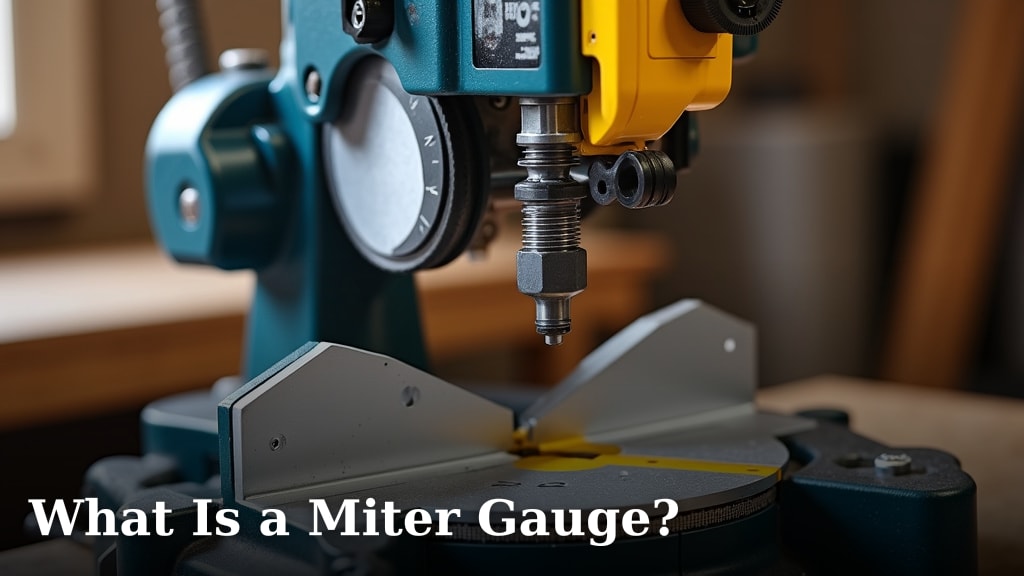
Yes, a table saw can make miter cuts using a miter gauge or a sled. For a closer comparison, see whether a table saw can replace a miter saw. While it’s possible, a miter saw is typically more efficient and often more precise for repetitive miter and crosscuts.
Which saw is safer for beginners?
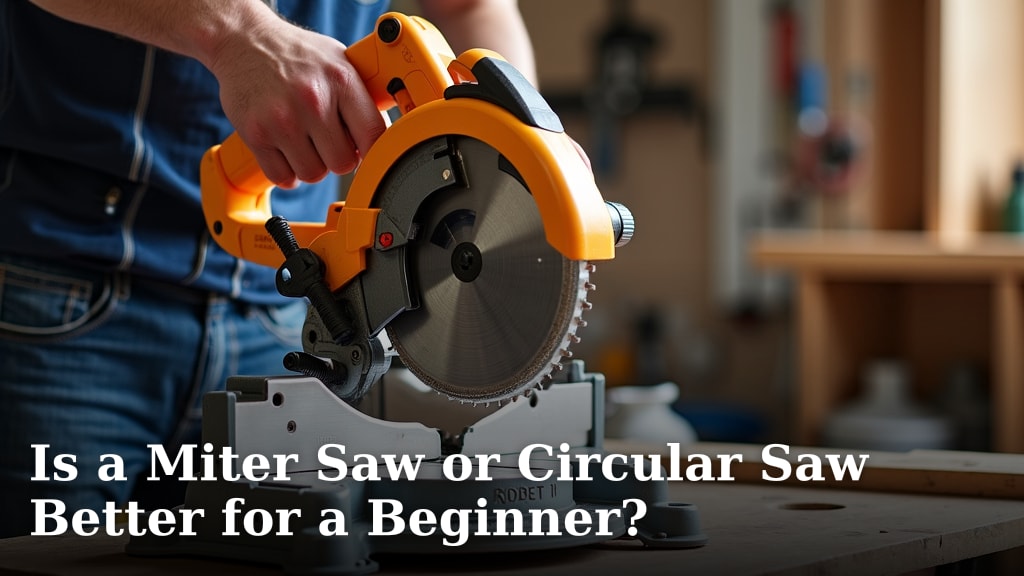
Many experts suggest that a miter saw might be slightly more approachable for beginners due to its simpler cutting action and blade guard mechanism (Consumer Reports). However, both saws require strict adherence to safety protocols and proper training.
Do I need both a miter saw and a table saw?
For serious woodworking or a wide variety of home improvement projects, having both saws is highly beneficial. They complement each other, covering almost all common cutting needs in a workshop.
What’s the average cost difference between these saws?
The cost varies greatly by type and brand. Basic miter saws can start around $150-$200, while quality sliding compound miter saws can go up to $500+. Entry-level job site table saws might start at $300-$400, but professional cabinet saws can cost thousands. Generally, a good quality table saw often represents a larger investment.