Is It Worth Buying a 12 Inch Miter Saw over a 10 Inch?
On this page (5 sections)
Yes, buying a 12-inch miter saw is often worth it over a 10-inch, especially if you regularly work with larger lumber. While a 10-inch saw is great for many tasks, a 12-inch model provides a wider cutting capacity, allowing you to make more efficient cuts on bigger boards without needing multiple passes. This can save you a lot of time and effort on certain projects.
Choosing between a 10-inch and a 12-inch miter saw really comes down to the types of projects you tackle most often. If you frequently cut dimensional lumber like 2x10s or 4x4s, the extra inch of capacity on a 12-inch saw makes a significant difference. We found that for serious DIYers and professionals, the investment in a 12-inch saw often pays for itself in convenience and capability.
- A 12-inch miter saw offers a wider cutting capacity than a 10-inch model.
- It’s ideal for cutting larger dimensional lumber and wider boards.
- Consider your typical project needs to decide which size is best.
- A 12-inch saw can save you time and effort on bigger cuts.
Let’s break down the key differences and help you figure out which miter saw size is the right fit for your workshop.
You’re thinking about upgrading your miter saw or buying a new one, and the size question keeps popping up. Should you go with the popular 10-inch model or step up to a 12-inch saw? It’s a common dilemma, and the answer really hinges on what kind of projects you tackle. Let’s break down what makes a 12-inch miter saw worth the extra investment for your workshop.
Making the Leap: When a 12-Inch Miter Saw Outperforms a 10-Inch
A 12-inch miter saw offers a noticeable advantage in cutting capacity over its 10-inch counterpart. This extra width can make a big difference on many woodworking projects. If you’re wondering if the upgrade is right for you, consider how much larger lumber you usually work with.
Understanding Cutting Capacity: The Core Difference
The main reason to choose a 12-inch saw is its wider cutting capacity. What does that mean for you? It means you can cut wider boards in a single pass. A 10-inch saw might struggle with a 2×10 or a larger 4×4. You’d often have to flip the board and make a second cut to get through it. That’s not only time-consuming, but it can also lead to an uneven or messy edge.
We found that a 12-inch blade typically handles lumber that’s about 6.5 inches wide for crosscuts. A 10-inch saw usually tops out around 5.5 inches for the same type of cut. That extra inch might not sound like much, but when you’re working with larger projects, it’s a game-changer. Think about framing decks, building larger furniture, or even installing baseboards in a house with wide trim. A 12-inch saw makes these jobs much simpler.
Crosscuts: Width Matters
When you’re making a crosscut, you’re cutting across the grain of the wood. This is a very common cut. For example, cutting a 2×8 board (which is actually 7.25 inches wide) is no problem for a 12-inch saw in one go. A 10-inch saw will require you to turn the board around and make a second cut. This is where you can really see the efficiency gain with a 12-inch model.
Bevel and Miter Cuts: Depth and Angles
Beyond just width, larger saws often offer greater depth for cuts, especially for bevels. A 12-inch saw can generally achieve a deeper bevel cut than a 10-inch model. This is useful for more complex joinery or when you need to cut angles on thicker stock. Many 12-inch saws also have a slightly wider range of miter angles they can achieve, though this varies by model.
When Does the Extra Size Justify the Cost?
Let’s talk about why you might need that extra cutting capacity. If your projects often involve lumber that’s 5.5 inches wide or more, a 12-inch saw is a smart move. This includes items like 2x6s, 2x8s, and larger dimensional lumber. It also means you can handle common hardwood boards more easily.
Consider projects like:
- Deck building: You’ll be cutting 4×4 posts and wider deck boards regularly.
- Large furniture: Building tables, benches, or cabinets often requires wider pieces.
- Trim work: Many homes feature wide baseboards or crown molding that a 10-inch saw struggles with.
- Framing: When you’re building larger structures, efficiency with bigger lumber is key.
If your DIY adventures mostly stick to smaller projects, like simple shelves or smaller decor items, a 10-inch saw might be perfectly adequate. But if you see yourself tackling bigger things, investing in a 12-inch model now saves you from upgrading later. Many woodworking experts suggest choosing the larger size if your budget allows and your typical lumber sizes warrant it.
Comparing Key Features: Beyond Just the Blade Size
While blade size is the most obvious difference, there are other factors to consider when comparing 10-inch and 12-inch miter saws. These can influence your decision and overall satisfaction with the tool.
Motor Power and Durability
Generally, 12-inch miter saws come with more powerful motors than their 10-inch counterparts. This extra power is needed to spin the larger blade effectively through denser or thicker materials. We found that higher motor amperage often translates to less bogging down when you’re cutting tough woods or making repeated cuts.
For frequent use, especially in a professional setting or for serious DIYers, this extra power can mean a longer tool lifespan. The motor won’t be as strained, leading to less wear and tear. It’s like comparing a car engine designed for city driving versus one built for hauling heavy loads – both work, but one is designed for more demanding tasks.
Size and Weight: Workshop Real Estate
Let’s be honest, a 12-inch miter saw is typically larger and heavier than a 10-inch model. This means it will take up more space in your workshop or garage. If you have limited space, you’ll need to plan for where you’ll store it and how you’ll set it up.
A heavier saw can also be a good thing. It tends to be more stable, which can lead to cleaner, more accurate cuts. Less vibration means less chance of the saw “walking” during a cut. However, if you need to move your saw around frequently, a lighter 10-inch model might be more convenient.
Cost: The Budget Consideration
The price difference between a comparable 10-inch and 12-inch miter saw can be notable. You can expect to pay anywhere from $50 to $200 more for a 12-inch model, depending on the brand and features. This extra cost is for the larger blade, the more powerful motor, and the sturdier construction often required for the larger saw.
You need to ask yourself if the enhanced capabilities of the 12-inch saw justify the higher price tag for your specific needs. If your projects rarely push the limits of a 10-inch saw, saving that money might be a better option. But if you anticipate needing that extra capacity, the investment is usually well worth it for the increased efficiency and capability.
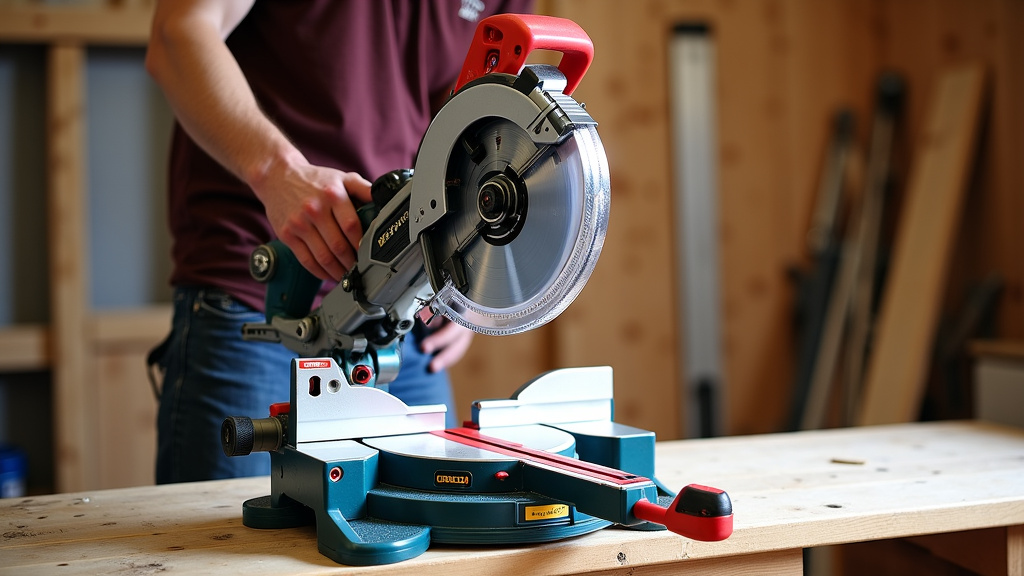
Making Your Final Decision: A Quick Checklist
Still on the fence? Here’s a quick rundown to help you decide if a 12-inch miter saw is the right choice for you.
- Do you regularly cut lumber wider than 5.5 inches? If yes, a 12-inch saw is likely needed.
- Are your projects often large-scale? Think decks, large furniture, or extensive trim work.
- Do you need maximum efficiency for repetitive cuts? A 12-inch saw can save time here.
- Is motor power a big concern for cutting hardwoods or thicker materials? Larger saws usually offer more.
- Do you have the workshop space and budget for a larger, heavier saw?
- Will you be doing a lot of bevel cuts on thicker stock? 12-inch models often perform better.
By considering these points, you can feel more confident about choosing the miter saw size that will best serve your woodworking goals. Both sizes are excellent tools, but the 12-inch offers a clear step up in capacity for those who need it.
Conclusion
So, is that 12-inch miter saw worth the upgrade? For many of you, especially if you’re frequently working with lumber wider than 5.5 inches, the answer is a resounding yes. A 12-inch saw offers superior cutting capacity, handles larger jobs more efficiently, and often comes with a more robust motor. While it’s a bit larger and costs more, the time and effort saved on projects like decks, large furniture, or extensive trim work can quickly justify the investment.
Before you buy, honestly assess your typical projects. If you’re ready to take on bigger builds or want to streamline your workflow with wider boards, then making the leap to a 12-inch miter saw is a smart move for your workshop.
Frequently Asked Questions
Will a 12-inch miter saw make my cuts more accurate?
A larger, heavier saw like a 12-inch model often provides greater stability during cuts. This reduced vibration can lead to cleaner, more precise results, especially on longer or wider pieces of wood. While technique is always key, a more stable tool can certainly help you achieve better accuracy.
Is a 12-inch miter saw too big for a small garage workshop?
Generally, a 12-inch miter saw is larger and heavier than a 10-inch model, so it will take up more space. You’ll need to plan for dedicated storage and setup area. If space is extremely limited, consider a smaller saw or a model designed for portability if you need to move it frequently.
Do 12-inch miter saws have more power?
Yes, 12-inch miter saws typically feature more powerful motors compared to their 10-inch counterparts. This extra power is necessary to spin the larger blade efficiently through denser or thicker materials. We found this increased amperage helps prevent the saw from bogging down during demanding cuts.
When would a 10-inch miter saw be perfectly fine?
A 10-inch miter saw is often sufficient for hobbyists or DIYers who primarily work with smaller projects. For compact projects, review whether a 7-1/4-inch saw is worth the space and cost. If your projects mainly involve lumber up to 5.5 inches wide, like for smaller shelves, trim, or basic framing, a 10-inch saw will likely meet all your needs without the added cost and size of a 12-inch model.
Is the cost difference between a 10-inch and 12-inch miter saw significant?
You can expect to pay more for a 12-inch miter saw, often ranging from $50 to $200 extra compared to a similar 10-inch model. This price difference accounts for the larger blade, more powerful motor, and generally sturdier construction. You need to weigh if this added capacity and power justifies the higher price for your specific woodworking tasks.