What To Know When Buying A Miter Saw?
When buying a miter saw, you should primarily consider the type of projects you’ll tackle, the blade size required, and specific features like compound cuts or sliding capabilities.
Understanding the different miter saw models, such as standard, compound, and sliding compound saws, will help you choose the best tool for your workshop needs.
TL;DR: Your Quick Guide to Miter Saw Shopping
- Consider your project types before anything else.
- Choose between standard, compound, or sliding compound saws based on versatility.
- Blade size (10-inch vs. 12-inch) impacts cutting capacity.
- Look for essential features like a laser guide and good dust collection.
- Prioritize safety features and wear proper protection always.
What To Know When Buying A Miter Saw?
Choosing the right miter saw can feel like a big decision, but it doesn’t have to be overwhelming. This guide will walk you through the essential facts you need to make a smart purchase.
Understanding Miter Saw Types
Before you even think about brands, you need to know the basic types. Each one offers different levels of versatility and cutting capacity.
Standard Miter Saw
This is your basic saw, great for simple crosscuts and miter cuts. It’s a reliable workhorse for framing or trim work where straight, angled cuts are common.
Compound Miter Saw
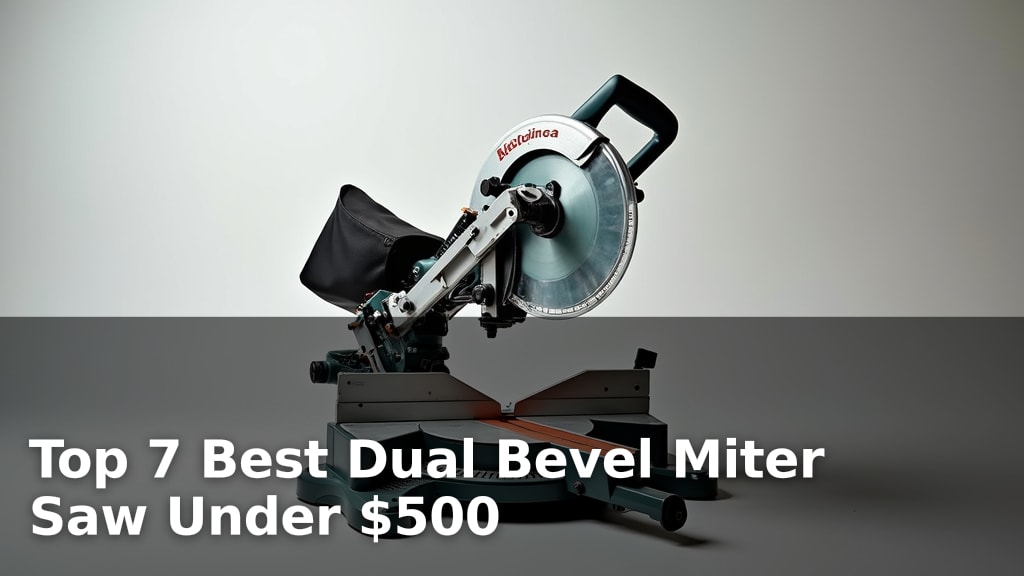
A compound saw can do everything a standard miter saw does, plus it can tilt to one side (or both for dual-bevel models). This lets you make bevel cuts in addition to miter cuts, perfect for crown molding or complex trim.
Sliding Compound Miter Saw
Imagine a compound saw with an added bonus: the blade slides on rails. This significantly increases the saw’s cutting capacity, letting you cut much wider boards. Many experts say this type offers the most versatility for various projects (Fine Homebuilding).
Miter Saw Type Comparison
To help you visualize the differences, here’s a quick overview of what each type brings to your workshop.
| Saw Type | Key Feature | Best For | Cutting Width |
|---|---|---|---|
| Standard Miter Saw | Miter cuts only (left/right angles) | Basic framing, trim, decking | Narrow boards |
| Compound Miter Saw | Miter + Bevel cuts (angles + tilts) | Crown molding, angled trim, complex cuts | Narrow to medium boards |
| Sliding Compound Miter Saw | Miter + Bevel + Extended width (slides) | Wide boards, decking, large trim, general shop use | Wide boards |
Blade Size: 10-inch vs. 12-inch
The blade size you choose directly impacts the thickness and width of the material you can cut. Most miter saws come with either a 10-inch or 12-inch blade.
10-inch Miter Saw Blades
These are common for many DIYers and hobbyists. They’re excellent for smaller projects, trim work, and crosscutting 2x4s or 2x6s. They also tend to be more affordable and lighter.
12-inch Miter Saw Blades
If you’re working with larger lumber, like 4x4s, wider decking, or thick trim, a 12-inch blade is your friend. They offer a greater cutting capacity, making them a favorite among professionals and serious woodworkers.
Corded vs. Cordless: Powering Your Projects
Your power source choice depends on your workspace and project mobility needs. Both have their advantages.
Corded Miter Saws
These offer consistent power without worrying about battery life. If your saw stays in one spot in your workshop, a corded model is often the most reliable and powerful option.
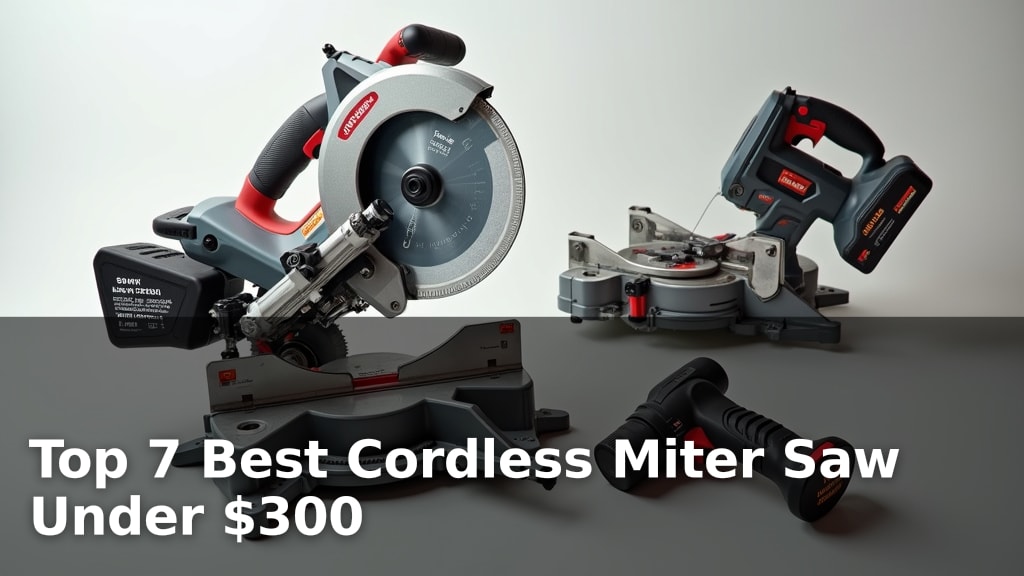
Cordless Miter Saws
Freedom! Cordless saws are perfect for job sites or if you move your tools around frequently. Keep in mind you’ll need spare batteries and a charger, as power can vary (Tool Review Journal).
Essential Features to Look For
Beyond the basics, certain features can significantly improve your miter saw experience. What makes a saw truly handy?
- Laser Guide: Helps you line up cuts precisely without marking.
- Dust Collection: A good dust port or bag keeps your workspace cleaner.
- Positive Stops: Pre-set detents for common angles (like 0, 15, 22.5, 30, 45 degrees) speed up work.
- Bevel Capacity: Can it tilt both left and right (dual bevel) or just one way?
- Slide Lock: For sliding models, a lock lets you convert it to a chop saw.
Safety First, Always
A miter saw is a powerful tool. Your safety must always be your top concern. Always wear safety glasses and hearing protection. Use clamps to secure your workpiece, and keep hands clear of the blade path.
Budgeting for Your Miter Saw
Miter saws come in a wide price range. Entry-level saws are great for occasional use, while professional models offer more power, precision, and features. We found that balancing your budget with your expected use is key to satisfaction.
Pre-Purchase Checklist
Before you make a final decision, run through this quick checklist to ensure you’re getting the right saw for you.
- What are your main projects? (Decking, trim, furniture?)
- How wide do your typical cuts need to be?
- Do you need to make angled bevel cuts?
- Is consistent power or portability more important?
- What’s your budget range?
Conclusion
Choosing a miter saw is about matching the tool to your unique needs and projects. By understanding the different types, blade sizes, and essential features, you can confidently select a saw that will be a valuable asset in your workshop. Take your time, consider your options, and you’ll find the perfect cutting companion.
What is the main difference between a compound and a sliding compound miter saw?
The primary difference is cutting capacity. A compound miter saw can make angled (miter) and tilted (bevel) cuts, but its maximum crosscut width is limited by the blade’s fixed position. A sliding compound miter saw features rails that allow the blade to move forward and back, greatly increasing the width of material it can cut.
Is a 10-inch or 12-inch miter saw better for DIY home projects?
For most DIY home projects, a 10-inch miter saw is often sufficient. It handles common lumber sizes like 2x4s and 2x6s well and is generally more compact and lighter. However, if you plan to work with wider boards, like shelving or larger deck planks, a 12-inch saw offers more versatility.
Do I really need a laser guide on my miter saw?
While not strictly necessary, a laser guide can be incredibly helpful for increasing precision and speeding up your workflow. It projects a line onto your workpiece, showing you exactly where the blade will cut, which can reduce errors and save time, especially for repetitive cuts.
How important is dust collection on a miter saw?
Dust collection is quite important, both for your health and the cleanliness of your workspace. Miter saws can produce a lot of sawdust. Good dust collection, whether through a bag or a shop vacuum connection, helps maintain a clearer line of sight, reduces airborne particles, and minimizes cleanup.
Can I use a miter saw to cut metal or masonry?
Generally, miter saws are designed for cutting wood, plastics, and sometimes aluminum with the correct blade. You should never use a standard miter saw to cut metal or masonry unless it is specifically designed and rated for those materials and you have the appropriate abrasive blade. Using the wrong blade or saw for these materials can be extremely dangerous and damage the tool.