What Is the Best Cordless Miter Saw?
On this page (3 sections)
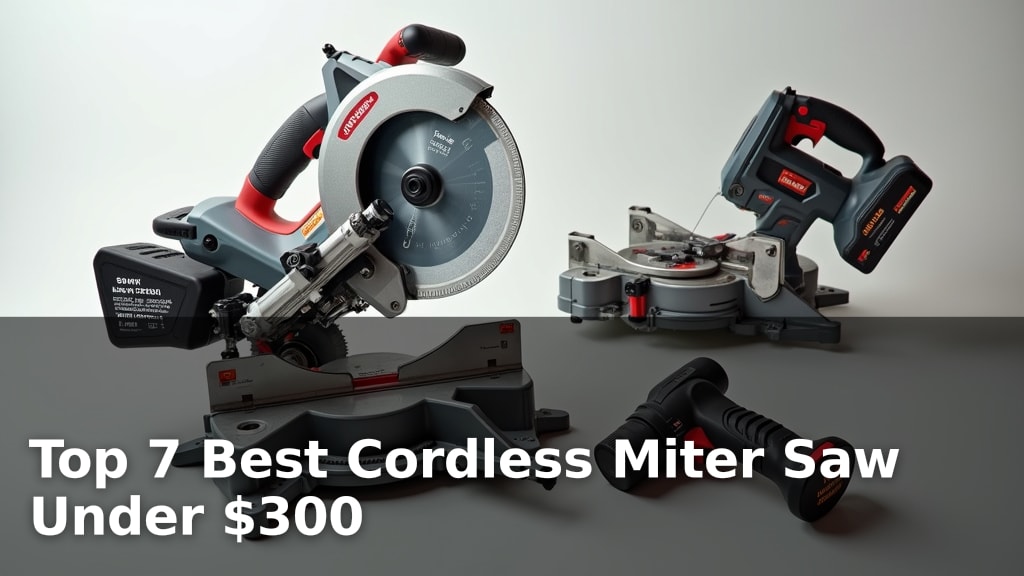
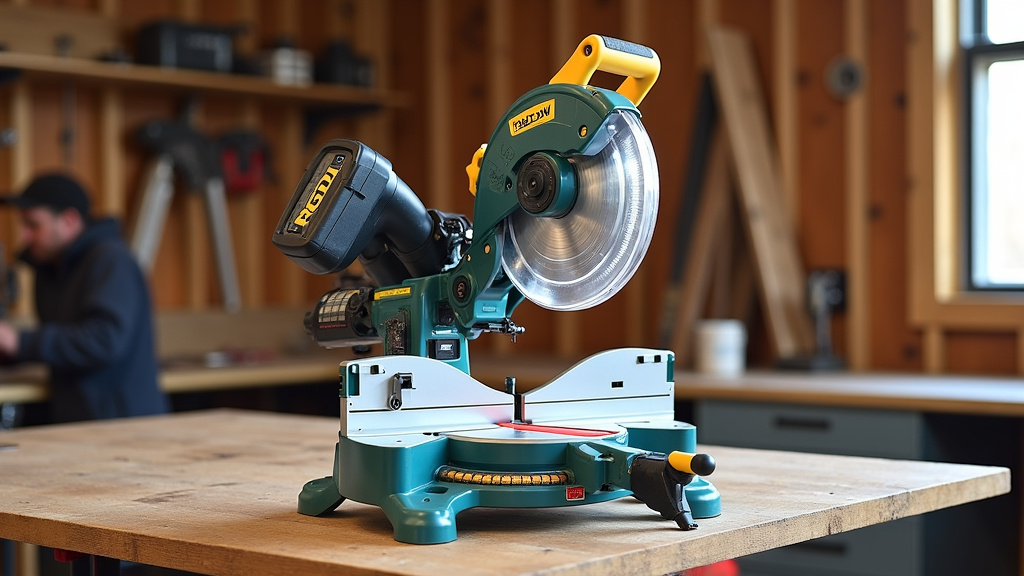
The best cordless miter saw for you truly depends on your specific needs, but for most DIYers and professionals, the DeWalt FlexVolt DHS790AT2 stands out for its power and portability. We found it offers excellent battery life and cutting capacity, making it a top contender in its class.
Choosing a cordless miter saw means balancing power, run time, and features with your project demands. You want a saw that’s reliable on a job site without a power outlet, but also strong enough for tough cuts. We looked at many saws to find ones that deliver consistent performance and user satisfaction.
- Cordless miter saws offer unmatched portability.
- Battery voltage and amp-hours affect power and run time.
- Brushless motors are more efficient and last longer.
- Blade size dictates cutting capacity.
- Dust collection systems improve workplace cleanliness.
Let’s walk through everything you need to know to pick the perfect cordless miter saw for your workshop or job site.
Finding the Right Cordless Miter Saw for Your Projects
Choosing the perfect cordless miter saw can feel like a puzzle. You want something powerful, portable, and reliable. We found that the best saw for you really depends on what kind of work you do most often.
Think about your typical projects. See our remodeling miter saws guide for more on this option. Are you cutting trim for a whole house? Or just making a few precise crosscuts in your garage? Your answers will help narrow down the many great options available.
Understanding Cordless Miter Saw Power and Performance
Power is often the first thing people consider. With cordless tools, power isn’t just about raw strength. It’s also about how long that strength lasts and how efficiently it’s used.
Battery Voltage and Amp-Hours: What They Mean
Batteries are the heart of any cordless tool. You’ll see numbers like 18V, 20V, 60V, and then amp-hours (Ah) like 4.0Ah or 9.0Ah. These numbers tell you a lot about the saw’s potential.
Voltage (V) relates to power. Higher voltage often means more torque and a greater ability to cut through tough materials. For instance, a 60V saw will generally have more raw power than an 18V saw.
Amp-hours (Ah) relate to run time. See our cordless saw battery life guide for more on this option. A battery with more amp-hours will power your saw for a longer period. Think of it like a bigger gas tank. A 9.0Ah battery will outlast a 4.0Ah battery on a single charge, assuming the same voltage.
We found that for heavy-duty tasks, a higher voltage and higher amp-hour battery combination works best. This provides both the cutting power and endurance you need for big jobs.
Brushless Motors: Why They Matter
Many modern cordless miter saws feature brushless motors. If you’re wondering if it’s worth the extra cost, we found that it usually is. Brushless motors are more efficient.
These motors use electronic sensors instead of carbon brushes to switch the magnetic fields. This means less friction and less heat. The result? Longer battery life per charge and a motor that will likely last longer overall (U.S. Department of Energy).
They also often deliver more power to the blade. This is because less energy is wasted as heat. For repetitive, tough cuts, a brushless motor can make a big difference in performance and tool longevity.
Key Features to Look for in a Cordless Miter Saw
Beyond raw power, certain features can greatly enhance your user experience and the quality of your cuts. Don’t overlook these details when comparing models.
Blade Size and Cutting Capacity
The blade size is a critical factor. Common sizes for miter saws are 7-1/4 inches, 10 inches, and 12 inches. This size directly impacts the maximum width and thickness of the material you can cut.
A 7-1/4 inch saw is great for smaller projects and trim work. It’s often lighter and more compact. However, it won’t handle wide boards like a 10-inch or 12-inch saw.
For most DIY and general carpentry, a 10-inch saw offers a good balance of capacity and portability. If you frequently cut wide decking or large framing lumber, a 12-inch saw is what you’ll want. We found that 12-inch saws provide the most versatility for serious woodworkers.
Sliding vs. Non-Sliding (Fixed) Miter Saws
This is a big distinction. A sliding miter saw allows the blade to move forward and backward on rails. This greatly increases your cross-cutting capacity.
Imagine needing to cut a 10-inch wide board. A fixed 10-inch miter saw can only cut about 5-6 inches wide at 90 degrees. A sliding 10-inch miter saw, however, could easily cut that 10-inch board, sometimes even wider.
Sliding saws are generally more expensive and heavier. They also require more space behind them for the rails. If you primarily cut narrow trim, a fixed saw might be fine. But for cutting wider planks, a sliding feature is almost a must-have.
Dust Collection Systems
Cutting wood creates a lot of sawdust. A good dust collection system helps keep your workspace cleaner and safer. It also makes for a better cutting experience.
Many saws come with a small dust bag. These are okay for light use but can fill up quickly. We found that connecting your saw to a shop vacuum or dedicated dust extractor provides far superior dust control.
Look for saws with a well-designed dust port. The size and position of the port can make a big difference in how effectively dust is captured. A cleaner environment means better visibility for your cuts and less cleanup time later.
The Trade-Offs of Cordless Miter Saws
While cordless miter saws offer incredible freedom, it’s important to understand where they might differ from their corded counterparts. They’re not without their unique considerations.
Weight and Portability
The main advantage of cordless tools is portability. You can take them anywhere on a job site without hunting for an outlet or dragging extension cords. This is incredibly liberating.
However, batteries add weight. A powerful cordless miter saw with a large battery can be quite heavy. If you frequently move your saw around, consider the overall weight. A lighter saw might sacrifice some power or cutting capacity, but it could save your back.
Think about how you’ll transport it. Is it going in the back of a truck, or will you be carrying it up several flights of stairs? Your answer will influence the ideal weight for your needs.
Run Time and Battery Management
Run time is the duration your saw will operate on a single battery charge. This varies wildly based on the battery’s amp-hours, the type of wood you’re cutting, and the motor efficiency.
For extensive use, you’ll want multiple batteries. Swapping out a dead battery for a fresh one lets you keep working. We often recommend having at least two high-capacity batteries and a fast charger on hand.
Some saws can even be powered by an AC adapter when an outlet is available, offering a “best of both worlds” scenario. This hybrid option is a smart choice for versatility.
Comparing Top Cordless Miter Saws
We’ve looked at various models to see how they stack up. Here’s a quick overview of what we found in some of the most popular options on the market.
| Feature | DeWalt FlexVolt DHS790AT2 | Milwaukee 2734-20 M18 FUEL | Ryobi P3650B ONE+ HP |
|---|---|---|---|
| Voltage System | 60V MAX / 120V MAX | 18V (requires 2 batteries for full power) | 18V ONE+ HP |
| Blade Size | 12-inch | 10-inch | 7-1/4 inch |
| Sliding Feature | Yes | Yes | Yes |
| Motor Type | Brushless | Brushless | Brushless |
| Approx. Weight (w/ batteries) | 56 lbs | 45 lbs | 25 lbs |
| Best For | Heavy-duty, professional use | Pro/DIY, balance of power & portability | Light duty, DIY, small projects |
As you can see, there’s a range of sizes and capabilities. The DeWalt, while heavier, offers the most power and capacity. The Milwaukee strikes a great balance, and the Ryobi is perfect for those needing extreme portability for smaller tasks.
Checklist for Choosing Your Cordless Miter Saw
To help you make your final decision, consider these points. Run through this checklist before making your purchase. It will ensure you get a saw that genuinely meets your expectations.
- Will you be cutting wide boards (over 6 inches)? If yes, you’ll need a sliding saw.
- Do you often work where power outlets are scarce? Multiple batteries are a must.
- Are you usually cutting dense hardwoods or treated lumber? Opt for higher voltage and a brushless motor.
- Is portability a top concern, or will the saw mostly stay in one spot? Consider weight and size carefully.
- Do you already own other tools from a particular battery platform? Sticking with the same brand can save you money on batteries and chargers.
- What’s your budget? Cordless saws, especially high-performance ones, can be a significant investment, but the convenience is often worth it.
By answering these questions, you’ll gain clarity on which features are truly essential for your specific woodworking or construction needs.
Conclusion
Choosing the best cordless miter saw means finding the right balance of power, portability, and features for your projects. We’ve shown you that options range from compact saws for light trim work to heavy-duty models for demanding job sites. By considering battery voltage, blade size, and whether you need a sliding feature, you can pinpoint your ideal tool.
Think about your typical cuts and workspace. If you prioritize maximum capacity and power, a 12-inch sliding saw like the DeWalt FlexVolt is tough to beat. For lighter, more portable work, a compact 7-1/4 inch saw might be perfect. Make sure your choice aligns with your work style and budget.
Now, take our checklist, consider your needs, and confidently select the cordless miter saw that will truly elevate your woodworking and construction projects.
Frequently Asked Questions
Can a cordless miter saw replace a corded one entirely?
For most DIYers and many professionals, yes, a powerful cordless miter saw can absolutely replace a corded model. See our cordless saws for framing guide for more on this option. Modern cordless saws offer comparable power and cutting capacity. The main difference often comes down to continuous run time and initial cost, as batteries are a significant investment.
How long do cordless miter saw batteries typically last on a charge?
Battery life varies greatly depending on the saw’s voltage, amp-hours, and the material being cut. For light trim work, a battery might last several hours. For heavy cross-cutting in dense wood, a high-capacity battery might last 30-60 minutes of continuous cutting before needing a recharge.
Is it worth buying a kit with batteries and a charger, or just the bare tool?
If you don’t already own compatible batteries and a charger from the same brand, buying a kit is almost always more cost-effective. Batteries and chargers are expensive when purchased separately. However, if you’re already invested in a brand’s battery platform, buying the “bare tool” can save you money.
What’s the most common blade size for an all-around cordless miter saw?
For a good balance of portability and cutting capacity, we found that 10-inch sliding cordless miter saws are very popular. They can handle most common lumber sizes and trim, offering versatility for a wide range of projects without being excessively heavy or large.
How important is dust collection on a cordless miter saw?
Dust collection is very important for both safety and cleanliness. While small dust bags offer some collection, connecting your saw to a shop vacuum or dust extractor is far more effective. This reduces airborne particles, keeps your workspace tidy, and improves visibility for accurate cuts.