
What Projects Can a Beginner Do with a Miter Saw?
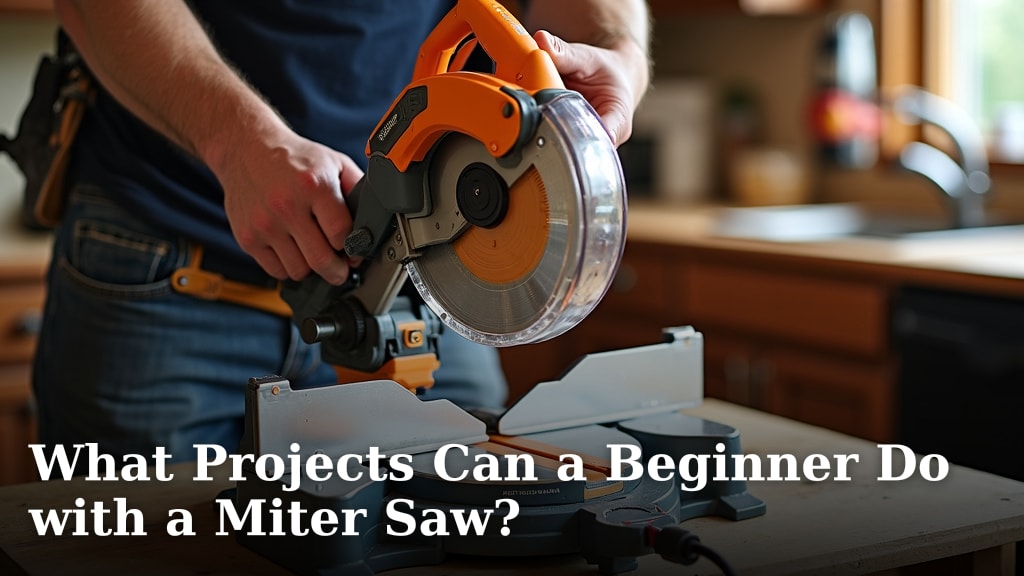
Yes, a beginner can create many practical and fun projects with a miter saw. You can start with simple cuts to build confidence, then move on to more creative woodworking ideas. Mastering your miter saw opens up a world of possibilities for home improvement and craft projects.
A miter saw is a fantastic tool for getting precise, repeatable cuts, making it perfect for beginners. You can tackle projects that improve your home or create thoughtful gifts. With a little practice, you’ll be amazed at what you can build using this versatile power tool.
- Miter saws are great for beginners.
- You can make many useful and creative projects.
- Start simple, then try more complex ideas.
- The key is getting precise, repeatable cuts.
- It’s perfect for home improvement and gifts.
Let’s walk through some excellent projects you can tackle with your new miter saw, helping you build skills and confidence with every cut.
Accessible Miter Saw Projects for Beginners
You can start making exciting woodworking projects with your miter saw almost immediately. These projects build your confidence and teach you essential cutting techniques.
From simple picture frames to more involved shelves, your miter saw is ready. Let’s look at some excellent starting points for your woodworking journey.
Building Blocks: Simple Cuts, Big Impact
These projects focus on straightforward, repetitive cuts. They’re perfect for getting comfortable with your saw’s operation and safety features.
Basic Picture Frames
Everyone loves a good picture frame! This is often the first project many new miter saw owners try. You’ll make four 45-degree cuts for the corners.
The key here is accuracy and consistency. Practicing these cuts helps you understand how your saw angles work. You’ll soon see how even small errors can impact the final fit.
Simple Crates or Boxes
Need some stylish storage? A basic wooden crate is a fantastic project. You’ll cut several pieces of wood to the same length.
This project emphasizes making 90-degree crosscuts. It’s a great way to practice setting your saw accurately. You’ll use these skills in almost every future project.
Home Improvement Helpers: Practical & Useful
Once you’re comfortable with basic cuts, you can move on to projects that make your home better. These often involve slightly more complex cuts or assembly.
Shelves for Storage or Display
Shelves are always needed, aren’t they? Whether for books, plants, or decor, shelves add function and charm. You can make simple floating shelves or box-style units.
This project combines accurate length cuts with good assembly techniques. It’s rewarding to see your raw wood pieces transform into something so useful.
We found that many beginners appreciate how quickly a few boards can become a practical storage solution (Woodworking Magazine).
Basic Baseboards or Trim Installation
If you’re upgrading a room, installing new baseboards or window trim is a great skill to learn. Your miter saw is the star tool for this job.
You’ll practice making precise angled cuts to fit corners. This can be a bit tricky at first, but with patience, you’ll achieve tight, professional-looking joints. It truly elevates a room!
Window Boxes for Plants
Brighten up your home’s exterior with a custom window box. This project usually involves straight cuts for the sides and bottom, and sometimes angled cuts for decorative elements.
It’s a wonderful way to combine your woodworking skills with your love for gardening. Plus, you get to personalize the size and style.
Creative Crafts & Gifts: Show Your Skill
Ready to get a little more artistic? Your miter saw can help you create thoughtful gifts or unique decorative pieces.
Wooden Coasters
Coasters are small, quick, and make excellent gifts. You’ll cut thin pieces of wood into squares or hexagons. Hexagons are fun and introduce more angled cuts.
This project helps you master cutting small pieces safely. You can experiment with different wood types and finishes for varied looks.
Small Decorative Boxes
Think jewelry boxes or keepsake boxes. These are a step up from basic crates, often involving finer details and more precise joinery.
You might use mitered corners for a clean look, or even decorative splines. It’s a chance to refine your cutting accuracy and assembly skills.
Outdoor Enhancements: Beyond the Indoors
Your miter saw isn’t just for indoor projects. Many outdoor items benefit from precise cuts.
Garden Planter Boxes
Why buy a planter when you can build one that fits your space perfectly? Planter boxes usually involve straightforward 90-degree cuts and assembly.
This project is sturdy and practical. You’ll gain experience working with larger pieces of lumber, which feels very satisfying.
Simple Birdhouses
Attract feathered friends with a handmade birdhouse. This can be a fun project for all skill levels, depending on the design.
Many birdhouse plans involve angled roof pieces, which are perfect for your miter saw. It’s a charming addition to any garden.
Before You Begin: A Quick Safety Checklist
Safety is paramount when using any power tool, especially a miter saw. Take a moment to review these crucial steps every time you start a project.
- Always wear safety glasses.
- Use hearing protection.
- Keep your hands away from the blade path.
- Ensure the workpiece is securely clamped.
- Allow the blade to reach full speed before cutting.
- Unplug the saw when changing blades or making adjustments.
Comparing Project Complexity for Beginners
To help you choose, here’s a quick comparison of project complexity and the types of cuts involved. This isn’t a strict rule, but a guide to help you build skills progressively.
| Project | Primary Cut Types | Complexity Level | Skill Focus |
|---|---|---|---|
| Picture Frames | 45° Miter Cuts | Low | Angle accuracy, repetition |
| Basic Crates | 90° Crosscuts | Low | Length accuracy, consistency |
| Shelves | 90° Crosscuts | Medium | Assembly, straightness |
| Baseboards/Trim | Miter & Bevel Cuts | Medium-High | Compound angles, fitting |
| Window Boxes | 90° Crosscuts, some angles | Medium | Material handling, weatherproofing |
| Wooden Coasters | 90° Crosscuts, various angles | Low-Medium | Small piece safety, precision |
| Planter Boxes | 90° Crosscuts | Medium | Sturdiness, larger stock |
As you can see, even projects of similar “low” complexity can focus on different skills. Choose one that feels right for you and don’t be afraid to try!
Getting Started with Your First Project
Feeling a little overwhelmed? That’s totally normal! We found that breaking down a project into smaller steps makes it much less daunting (DIY Network).
Here’s a simple process to guide you:
- Choose a simple project: Start with something like picture frames or a basic crate.
- Read the plans carefully: Understand all the dimensions and cut angles needed.
- Gather your materials: Get your wood, safety gear, and any other tools.
- Set up your workspace safely: Clear the area, ensure good lighting, and proper saw support.
- Measure twice, cut once: This old saying is true! Double-check every measurement.
- Practice on scrap wood: Don’t jump straight to your good lumber. Practice cuts build confidence.
- Take your time: Rushing leads to mistakes and potential safety issues. Enjoy the process.
Remember, every expert woodworker started as a beginner. Your first project might not be perfect, and that’s okay. The goal is to learn, gain confidence, and have fun.
Conclusion
You’ve seen just how many exciting projects a beginner can create with a miter saw. From basic picture frames to practical planter boxes, your saw is a powerful tool for creativity and home improvement. Start simple, practice those cuts, and always prioritize safety.
Don’t let perfection be the enemy of progress. Pick a project from this list, gather your materials, and confidently make your first cut. You’ll gain skills and satisfaction with every piece you build!
Frequently Asked Questions
What is the absolute easiest project for a miter saw beginner?
The easiest project for a miter saw beginner is often a basic picture frame or a simple wooden box. These projects typically involve straightforward 45-degree miter cuts or 90-degree crosscuts. They help you get comfortable with the saw’s operation and safety features without complex steps.
Do I need a special miter saw for beginner projects?
No, you don’t need a special miter saw for beginner projects. A standard compound miter saw is perfectly suitable. As you advance, you might consider features like a sliding or dual-bevel saw, but a basic model handles most entry-level tasks very well.
What safety gear is essential when I’m just starting with a miter saw?
When starting with a miter saw, always wear safety glasses and hearing protection. Gloves can offer some protection but ensure they don’t get caught in the blade. We found that beginners often overlook clamping the workpiece, which is a critical safety step to prevent kickback and ensure accurate cuts.
Can a miter saw help me with home repairs, even as a beginner?
Absolutely! A miter saw is excellent for many home repairs. You can cut baseboards, trim, and even repair deck boards with ease. Starting with simpler tasks like replacing a section of trim is a great way to gain confidence and improve your home.
How do I get accurate measurements for my miter saw projects?
To get accurate measurements, always use a reliable tape measure or ruler. Mark your cut lines clearly with a pencil or marking knife. For repeated cuts of the same length, consider using a stop block on your saw fence. This ensures consistency and saves time.
