What Size Miter Saw For Laminate Flooring?
For most standard laminate flooring, a 10-inch miter saw is perfectly suitable, handling common board widths with ease.
However, if you anticipate working with wider planks or require greater versatility, a 12-inch miter saw, especially a sliding model, offers increased cutting capacity for your laminate flooring project.
For quick clarity, here’s what you should know:
- A 10-inch miter saw works great for typical laminate planks.
- Choose a 12-inch saw for wider boards or future projects.
- A sliding feature is extremely helpful for cross-cutting wider laminate.
- Always use a high tooth count blade (60T or more) for clean cuts.
- Safety gear like eye and ear protection are a must.
What Size Miter Saw For Laminate Flooring?
For most laminate flooring installations, a 10-inch miter saw is often the sweet spot. It offers enough capacity for common plank widths and is generally more portable.
However, if your laminate boards are wider than average, or you want a tool that can handle future projects, a 12-inch saw gives you extra reach.
Why Does Miter Saw Size Matter for Laminate?
The size of a miter saw refers to its blade diameter. This directly impacts the maximum width of a board it can cut in a single pass.
Laminate flooring planks come in various widths, so matching your saw’s capacity to your material is key. A saw that’s too small means extra work and less precise cuts.
Understanding Blade Diameter and Cut Capacity
A larger blade diameter generally means a saw can cut through wider material. For instance, a 10-inch miter saw might cut a 6-inch wide plank at 90 degrees.
A 12-inch saw, on the other hand, can often cut an 8-inch wide plank or more. This capacity is vital when you want a single, clean cut across your laminate.
The Best Miter Saw Sizes for Laminate Flooring
We found that both 10-inch and 12-inch miter saws are popular choices for laminate. Each has its advantages, making one a better fit based on your specific needs.
Consider the typical width of laminate flooring planks you’ll be working with. This will guide your decision on saw size.
The 10-Inch Miter Saw: A Solid Choice
A 10-inch miter saw is a fantastic all-rounder for many DIYers. It’s typically lighter, easier to move, and more affordable than its larger counterparts.
For standard laminate planks, usually 4 to 7 inches wide, a 10-inch saw cuts beautifully in one pass. Many people find this size perfect for home flooring projects.
The 12-Inch Miter Saw: For Wider Boards
If you’re installing modern, wider laminate planks (8 inches or more), a 12-inch miter saw can be a lifesaver. It provides that extra cutting width you might need.
While a bit heavier and more expensive, the 12-inch saw offers greater versatility for different projects. We found that it handles a broader range of materials.
Do You Need a Sliding Miter Saw for Laminate?
While not always strictly necessary, a sliding miter saw is a huge advantage for laminate flooring. It significantly extends the cutting capacity of the saw.
A standard miter saw, also called a chop saw, pivots down. A sliding miter saw allows the blade to move forward and back on rails, letting you cut much wider boards.
The Magic of a Sliding Feature
Imagine trying to cut a 12-inch wide laminate plank with a fixed 10-inch saw. You’d have to cut, flip the board, and cut again, risking an uneven line.
A sliding miter saw lets you make a full, single pass across even very wide laminate. This results in cleaner, more accurate cuts, saving you time and frustration.
Blade Type Matters: The Key to Clean Cuts
Beyond saw size, the blade itself plays a massive role in the quality of your cuts. Laminate flooring requires a specific type of blade to prevent chipping.
We found that using the wrong blade can leave you with rough, splintered edges, which just won’t look good once installed (Mayo Clinic offers similar advice for woodcutting).
What to Look for in a Laminate Blade
You’ll want a carbide-tipped blade with a high tooth count, often 60 teeth or more for a 10-inch saw. More teeth mean a smoother, cleaner cut through the material.
Many experts say that an “Alternate Top Bevel” (ATB) blade design is ideal for laminate. This tooth pattern helps reduce chipping on both the top and bottom of the plank.
Setting Up Your Miter Saw for Laminate Success
Proper setup is just as important as the saw itself. You want a stable workspace and accurate measurements to ensure your laminate planks fit perfectly.
Always ensure your saw is on a firm, level surface. Many pros use miter saw stands for added stability and better ergonomics.
Essential Miter Saw Accessories for Flooring
To make your laminate installation smoother, consider a few accessories. A good set of clamps can hold your material securely for precise cuts.
A dust collection bag or a shop vac attachment is also a smart addition. Laminate cutting creates fine dust, and keeping your workspace clean helps both visibility and safety.
Safety First: Always Wear Protection
Working with power tools like a miter saw demands respect and proper safety gear. Never skip these steps, no matter how small the cut.
We found that eye protection (safety glasses), hearing protection (earmuffs or earplugs), and a dust mask are non-negotiables when operating a miter saw. Your well-being is paramount.
Here’s a quick guide to help you pick the right saw for common laminate widths:
| Miter Saw Size (Blade Diameter) | Typical Cut Width (90°) | Ideal For Laminate Plank Widths |
|---|---|---|
| 10-Inch Standard Miter Saw | ~5-6 inches | Standard (up to 7 inches, requires flipping for wider) |
| 10-Inch Sliding Miter Saw | ~10-12 inches | Most common widths (up to 10 inches easily) |
| 12-Inch Standard Miter Saw | ~7-8 inches | Wider planks (up to 8-9 inches, requires flipping for wider) |
| 12-Inch Sliding Miter Saw | ~12-14 inches+ | Any laminate plank, including extra wide (up to 12-14 inches) |
Before you make your first cut, remember this simple checklist:
- Inspect the laminate plank for defects.
- Measure your cut accurately, twice.
- Mark your cut line clearly with a pencil.
- Ensure the blade is clean and sharp.
- Double-check saw settings for angle and depth.
- Always secure the material firmly against the fence.
Conclusion
Choosing the right miter saw for laminate flooring really comes down to the width of your planks and your budget. For most typical installations, a 10-inch sliding miter saw offers a fantastic balance of portability, capacity, and cost.
If you’re tackling extra-wide laminate or plan on doing more heavy-duty woodworking, a 12-inch sliding model will offer maximum versatility. Remember to pair your saw with a high tooth count blade for the cleanest results and always prioritize safety.
What is the ideal tooth count for a miter saw blade cutting laminate?
For laminate flooring, aim for a carbide-tipped blade with at least 60 teeth for a 10-inch saw, or 80-100 teeth for a 12-inch saw. A higher tooth count ensures smoother cuts and minimizes chipping on the laminate material.
Can I use a jigsaw to cut laminate flooring instead of a miter saw?
While you can use a jigsaw for some laminate cuts, especially curved or intricate shapes, it’s not ideal for all cross-cuts. A miter saw provides much straighter, cleaner, and more precise cuts for the main plank lengths, which is critical for a professional finish.
Do I need a special type of miter saw stand for laminate flooring?
No, a standard miter saw stand works perfectly for laminate flooring. The main goal is to provide a stable, level surface at a comfortable working height. Ensure the stand supports the full length of the laminate planks you’re cutting to prevent tipping.
How do I prevent chipping when cutting laminate with a miter saw?
To prevent chipping, use a sharp, high-tooth-count blade (60T+), cut with the finished side of the laminate facing up, and apply painter’s tape along the cut line if needed. Also, make sure the plank is firmly clamped or held against the saw’s fence.
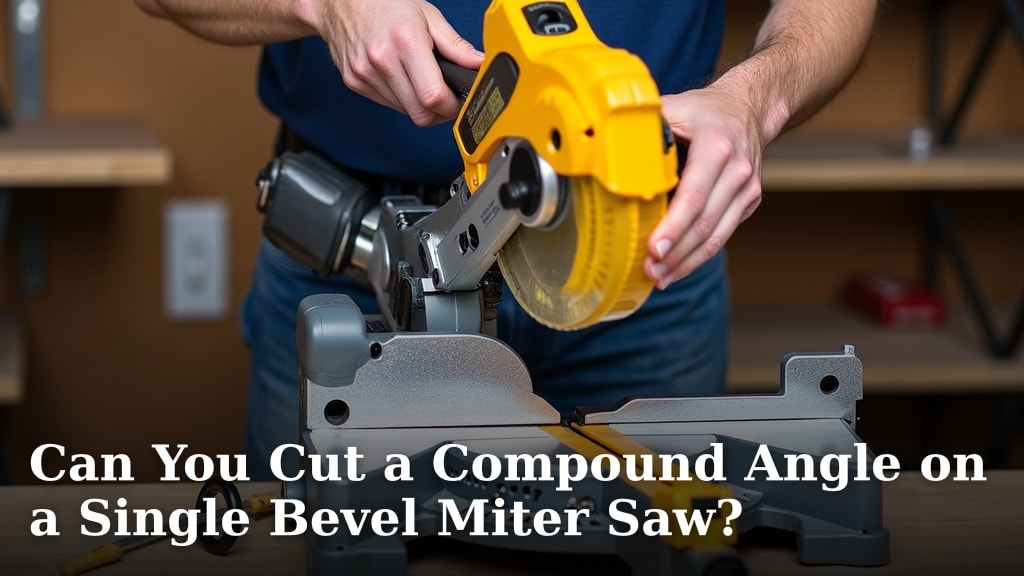
Is a compound miter saw better than a single-bevel for laminate flooring?
For most laminate flooring cuts, a single-bevel miter saw is sufficient. Laminate flooring rarely requires complex compound angles. However, a compound miter saw offers more versatility for future projects that might involve crown molding or other angled cuts.